
 Priyanka Tiwari
 Share
Share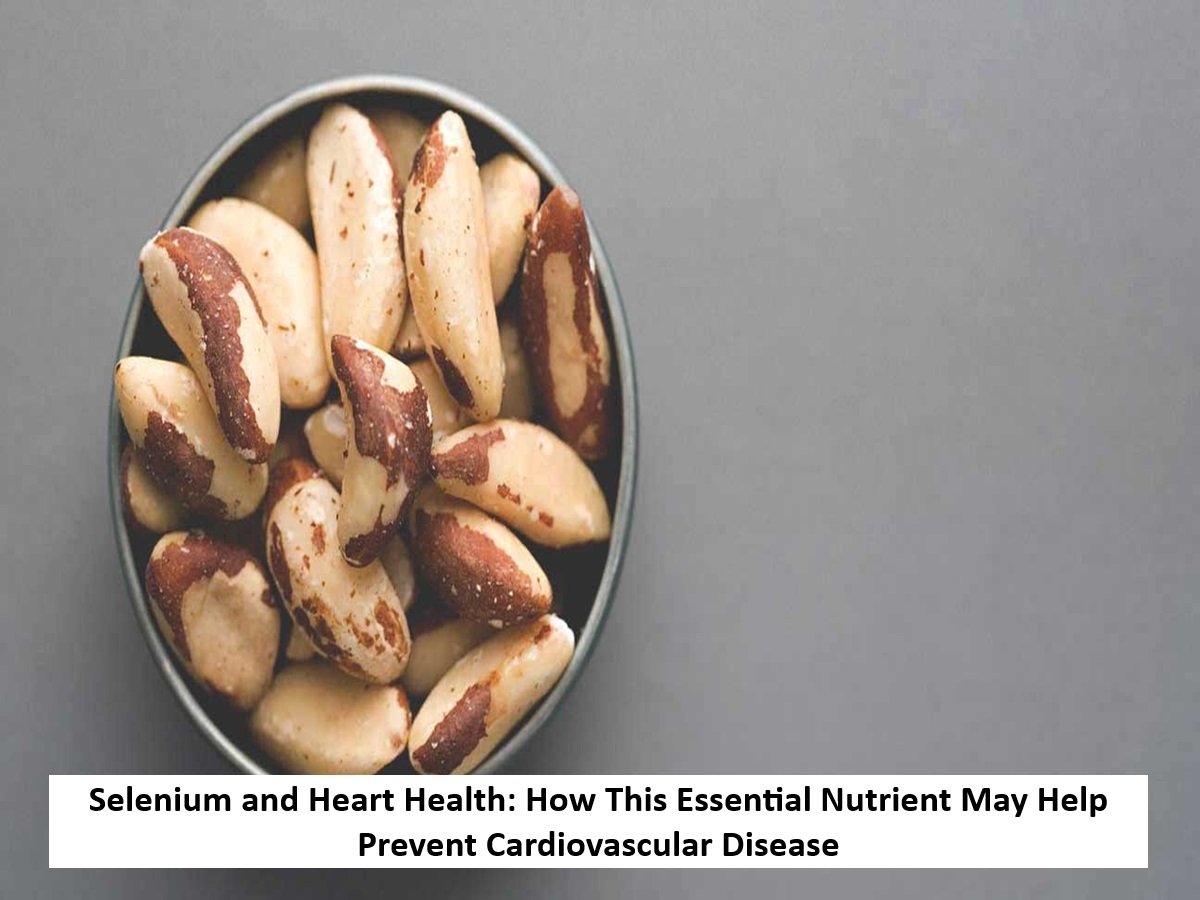
Suspense crime, Digital Desk : Cardiovascular disease (CVD) continues to be the leading global cause of mortality when coupled with increasing blood pressure, diabetes, smoking, or lack of movement. However, new findings suggest that selenium, a simple nutrient ,might just help protect the heart.
One of the most recent studies using NHANES data indicated that individuals with higher selenium intake had a lower risk of developing coronary heart disease, stroke, or heart attacks. While selenium intake should certainly be balanced, excessive amounts can be quite harmful. This balance is especially important for women, younger adults, and individuals with diabetes or hypertension.
Kerala Health Benefits of Selenium
As stated by the National Institute of Health (NIH), selenium can be quite beneficial as it helps
Boost the immune system
Aid in exercising control over endocrine system and thyroid hormones
Provide protection against oxidative stress
Assist in synthesis as well as reproduction of DNA
Along with oxidative stress, heart damage is also one of the several issues that the body’s defense mechanisms tend to weaken.
Recommended Daily Selenium Intake
For adults, the ideal dosage is 55 micrograms (mcg), whereas pregnant women are advised to take around 60 mcg, and breastfeeding women can go as far as 70 mcg.
Most individuals can conveniently fulfill these minimum diet requirements through healthy dietary samples without supplementing.
Top Dietary Sources of Selenium
Seafood: Heart-healthy omega-3s are abundant in Tuna, sardines, shrimp and oysters, which also make rich sources of selenium.
Brazil Nuts: One nut alone can surpass the recommended daily dosage of selenium. Consume only a small amount to evade toxicity.
Meat and Eggs: Fish, chicken, turkey, and eggs are rich sources of selenium.
Grain Products: Cereal and bread items can contain selenium depending on the soil used to grow the plants.
Selenium Supplements: Prescribed supplements are uncommon. Unneeded supplements can lead to adverse effects including nausea, skin rashes, and even hair loss.
Who is More Susceptible to Selenium Deficiency?
Selenium deficiency is common among:
Dialysis patients
People suffering from HIV
Dieters living in regions with low-selenium content soil
With no intervention, one risks developing joint pain, weakened immune system, or even higher chances of heart diseases.
Read More: Side Effects Of Consuming Fennel And Ajwain Water Early Morning Revealed By Expert