
 Desk
Desk Share
Share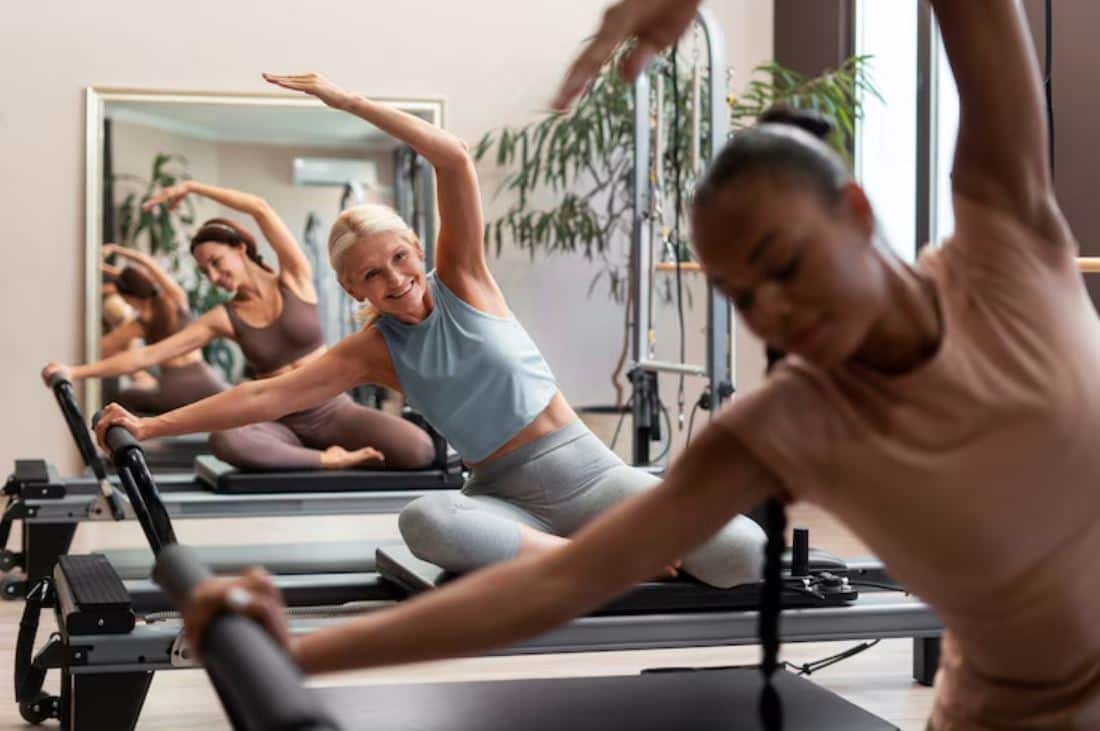
With the gentle sun of summer, we enjoy longer days and a more relaxed life. It also marks the perfect opportunity for women to address their well-being, especially for those coping with Polycystic Ovary Syndrome (PCOS). Yoga and Pilates have been known to help with both the physical and emotional burdens of PCOS according to Dr. Venkata Sujatha Vellanki, MBBS, Regional Medical Head & Fertility Specialist at Oasis Fertility.
Venkata has stated, “Summer gives us an opening that allows us to look at different techniques for self-care.” Apart from outdoor activities such as walking and cycling, yoga and Pilates also help women manage symptoms along with reducing stress and increasing overall wellness.
Women of reproductive age are often affected by PCOS due to having to deal with irregular periods and other stressors that result in weight gain, acne, hair loss, and a spike in stress. All of these factors contribute to the increase in cortisol levels which results in a hormonal imbalance. This is where the calm nature of yoga and pilates come into play
“Yoga is very helpful for stress relief and maintaining hormonal balance due to slow movements making you focus while breathing deeply,” explains Dr Venkata. Regarding relaxation effects on the autonomic nervous system, blood flow, and muscle relaxation, she suggests restorative poses like Supta Baddha Konasana (Reclining Bound Angle), Viparita Karani (Legs Up The Wall), and Balasana (Child’s Pose). These assist with relaxation during the summer months while energy levels may drop.
In contrast to high-impact workouts, yoga is low-intensity and can promote weight management by increasing metabolism, enhancing digestion, and encouraging mindfulness toward the act of eating. “Besides, the emotional benefits of yoga are equally essential.” advocates Dr Venkata. “For women dealing with the stressors of PCOS, yoga is beneficial for enhancing moods, relieving anxiety, and promoting inner calm.”
Posture, core strength, and body alignment focus yoga which is complemented by pilates. “PCOS related bloating can be decreased through the strengthening of abdominal and pelvic muscles which improve posture and also reduces palpation,” describes Dr Venkata. Exercises like the Pelvic Curl, Saw, and Spine Stretch tone the muscles while guiding relaxed breathing that helps with hormonal balance, stress relief, and effective stress hormone control.
What differentiates both practices is their focus on mindfulness. “This mindfulness tends to alleviate the burden that often comes with chronic conditions such as PCOS. It gives women the ability to feel in command of their body and health,” explains Dr Venkata.
Essentially, yoga and Pilates provide an integrative, long-term solution for PCOS management—striking the balance between physical activity and emotional strength. With the coming summer, inviting warm weather gives us an opportunity to take those deep breaths and actively listen to our bodies. These mindful movement practices could be exactly the reset many women are looking for.