
 Priyanka Tiwari
 Share
Share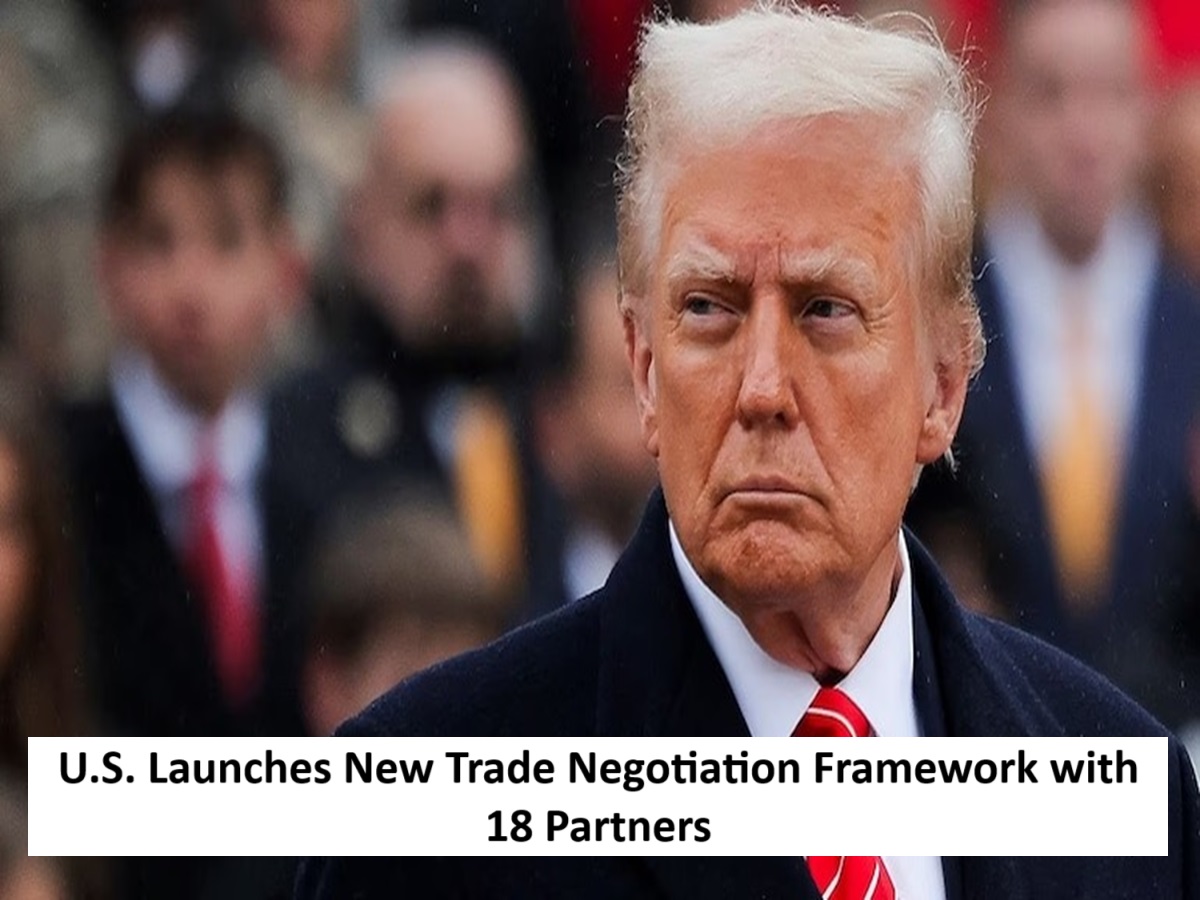
USA intends to commence staggered trade talks with a newly devised system that outlines Common Terms of Negotiations for several countries.
As per The Wall Street Journal reiteration, the strategy was started for U.S. Trade Representative (USTR) office to expedite deals during the Trump administration’s reciprocal trade tariff framework.
Under the USTR system structure, the following categories are added to focus on the various sections of the negotiation.
Taxes and quotas
Non-tariff impediments such as administrative barriers
Trade in data
Origin criteria
National security
Other fundamental commercial issues
All negotiations will have the same overall format and whole demands, but specifics will vary by region.
USTR Targets Rapid Negotiation Cycles
As the WHite House reported , a USTR spokesperson explained to The Wall Street Journal, “USTR is proceeding on an orderly and accelerated pace while collaborating with partners who are eager to engage."
The goal of the Nation is to reach a total of 18 primary partners to negotiate in revolving phases and for two months.
From the Journal, it's noted that six countries will enter the negotiations on a weekly basis and continue the cycle untill the July 8th timeframe.
Nations which have not finalized agreements by that date may be subjected to reciprocal tariffs, unless President Trump extends the current 90-day suspension.
India has surpassed others in terms of Trade Progress
India has reportedly progressed at a greater pace compared to others as broad terms were passed during Vice President JD Vance’s visit to New Delhi.
Major partners like Mexico and Canada are not included in this round, as these countries are excluded from Trump’s reciprocal tariff strategy.
China, who has an independent 145% tariff, follows her own negotiation procedures.
Partners Set Bounds in Negotiations
Different countries have presented 18 trade offers to Washington, some precised, while others await exact requirements from the US.
EU Commissioner Valdis Dombrovskis noted the European Union’s lack of detailed requirements.
Still, the USTR maintains that its framework has been, at least purportedly, strongly communicated.
Meanwhile:
The EU will not budge on negotiations involving its value-added tax and agricultural subsidies.
The UK maintains the position of exercising control over food and auto safety standards independent of other nations.
Read More: World Bank Approves 700 Million Dollars for Pakistan to Boost Economic Stability and Public Services