
 Priyanka Tiwari
 Share
Share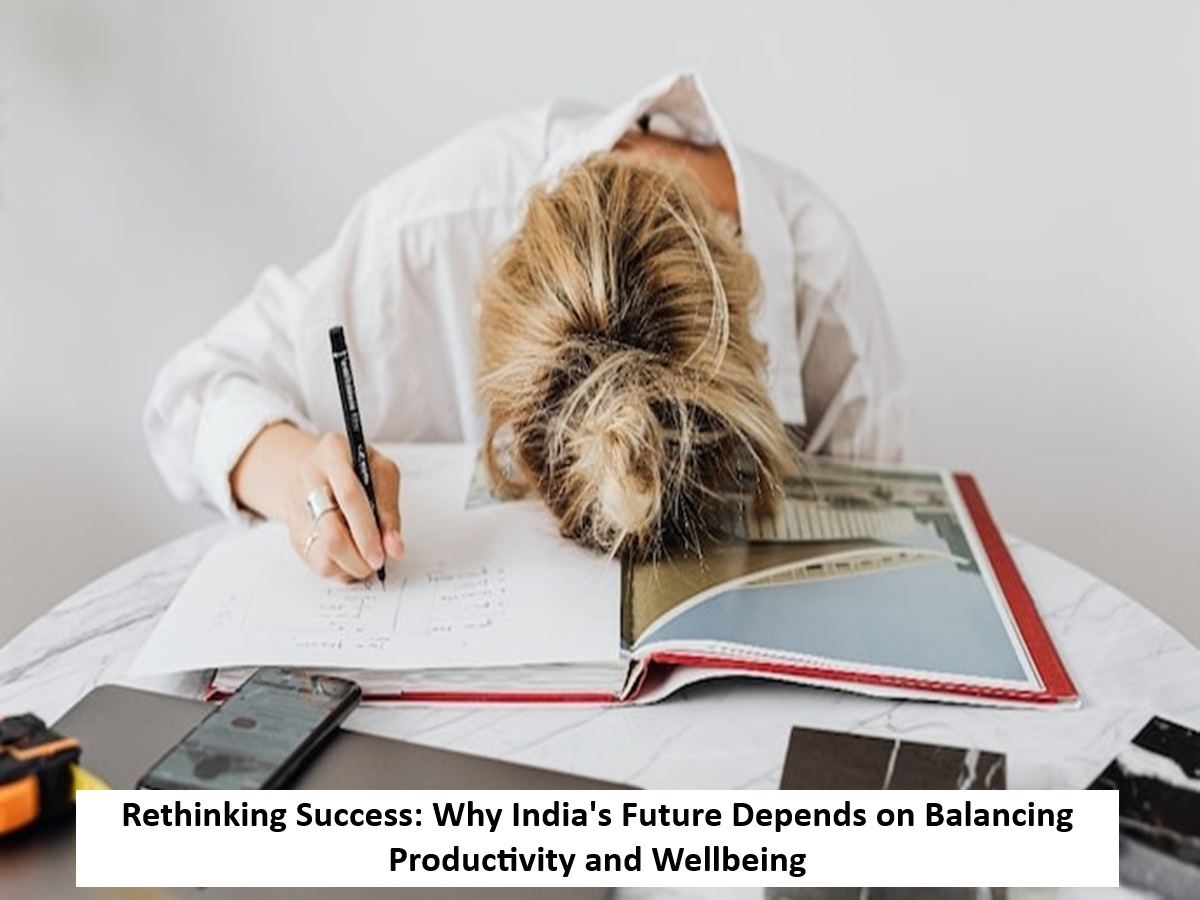
Suspense crime, Digital Desk : Success nowadays is often perceived as working tirelessly and climbing up the career ladder, which in a way has glorified 'burnout'. In other words, cities across India view, ‘exhaustion’ as a mark of devotion.
There seems to be a disturbing shift in workplace culture around emerging economies which has a correlative connection to their work culture. The World Health Organization has noted in the 2022 Global Mental Health Report, that developing countries are experiencing an alarming rise in work-related mental health issues.
Technology fosters connection, yet the individual feels lonelier.
The disconnect among people is severe, as technology does help people stay connected. Evidence from the NIMHANS National Mental Health Survey indicates that a number of Indians, in fact, feel disconnected despite their large online entourage.
'Proving that having more connections doesn't guarantee having better relationships', almost 30% of urban professionals claim they feel extremely lonely.
The Economic Cost of Omitting Mental Health
Mental health denial can lead to long-term impacts on the economy. The WHO suggests that overlooking mental well being could cost the Indian economy around 1.03 trillion dollars from 2012 to 2030.
Being associated with India, mental health issues trigger inefficient reasoning, anxiety, and depression; all these factors are detrimental to India's development as a knowledge based economy.
Finland's Methods: A Wellbeing Productivity Model
Finland is an example of a country where wellbeing and success go hand in hand. One of the happiest countries in the world, Finland encourages physical activities and helps citizens engage with nature as staples of everyday life.
Their education system promotes breaks and active rest as it enhances learning. Finland's example proves that looking after wellbeing also means a focus on the economy.
Indian Wisdom: A Modern Wellness Guide
Philosophical traditions from India always encourage the balance of the body and mind. The idea of svasthya translates to wellbeing, focusing on balancing, being mindful, and even incorporating elements of nature.
Modern health science now backs these philosophies. As stated in WHO’s 2024 Advocacy Strategy, combining physical and mental health activities like exercising, eating well, and socializing strengthens one’s ability to deal with stress and burnout.
Mental Health Starts At School
Educational institutes cannot focus solely on academic achievements. Worldwide, institutions are incorporating mental health curriculum, mindfulness sessions, and scheduled recesses.
India can boost wellbeing among students by equipping educators to become Mental Health First Aiders and integrating mental wellbeing across lessons.
Well Being Is Vital For Work Productivity, So Workplaces Need To Prioritize Them
Employers lacking imagination may not recognize that mental health services like confidential counselling, open conversations about health, and social interactions among employees do more than just remove stigma. They also enhance performance.
Wellbeing of employees ought to be a priority and not an incentive.
India Needs a New Growth Strategy
India requires a new framework for defining global success as it needs to focus on nurturing and sustainable growth. By regarding mental health and adequate rest as principal factors of productivity, India will become stronger as well as happier.
Combining global perspectives with Indian heritage can lead to the desired state, where both professionally productivity and high wellbeing coexist.