Priyanka Tiwari
 Share
Share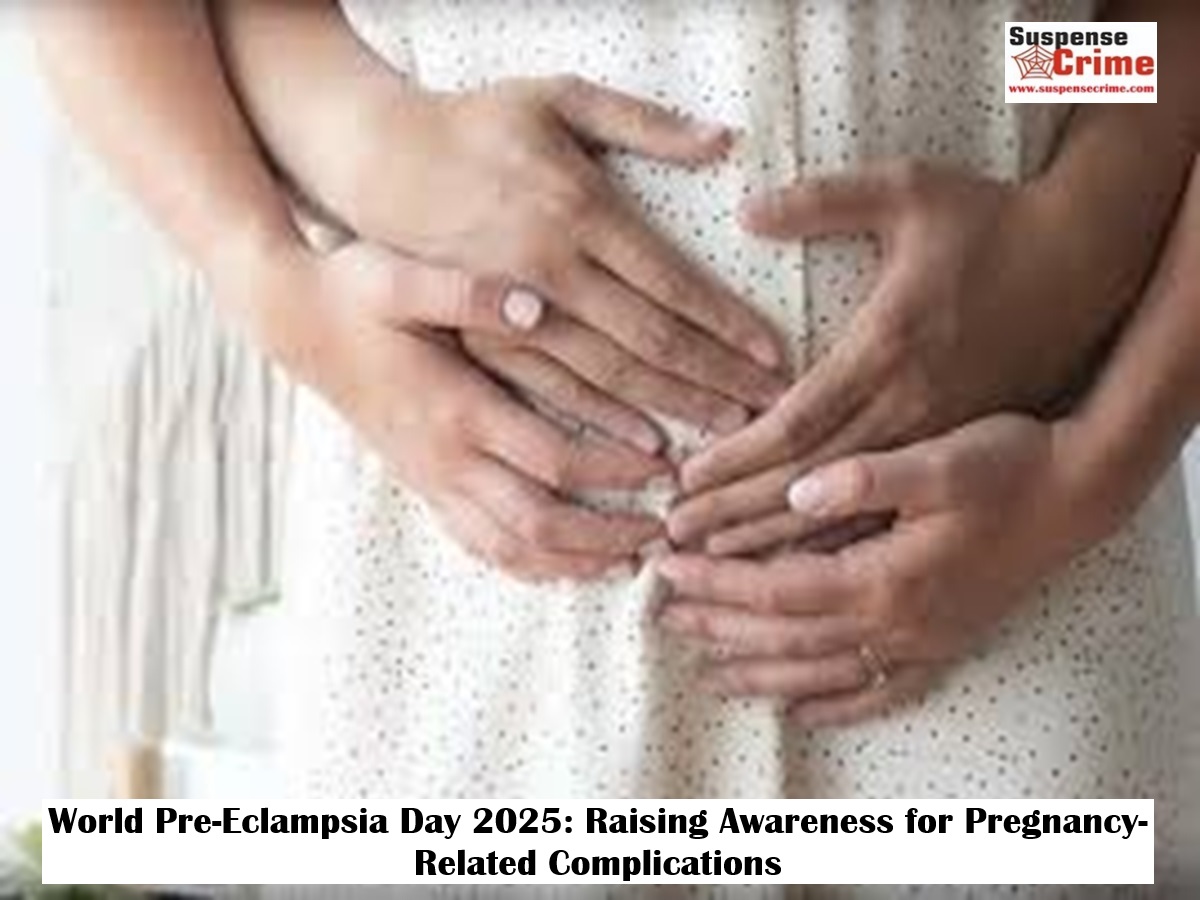
Suspense crime, Digital Desk : World Pre-Eclampsia Day is celebrated on May 22 every year to create awareness around pre-eclampsia, which is a serious issue during pregnancy. In order to address the issue, IANS spoke to Dr. Meera Pathak, the Senior Medical Officer of CHC Bhangel in Noida. She discussed its symptoms, causes, and ways to prevent it.
Knowing Pre Eclampsia
Dr. Pathak said that about 5% to 8 % of pregnant women have pre-eclampsia. It is often referred to ‘silent killer’ because it has very few symptoms, which make it easy to ignore until major health complications occur. Generally, it is after the 20th week of gestation. A pregnant woman, who is having her blood pressure measured and has a reading greater than 140/90, body swelling, and protein excretion in urine is also increased, indicates she has pre-eclampsia. Even two of these signs must be acted upon immediately as they need urgent medical help.
Main Causes of Pre-Eclampsia
Placenta’s tissue is one of the major causes. At risk are people who fall under the following categories:
Age 18 or below and 40 or older
New Mothers
Contributory conditions like shallow breathing, hypertension, diabetes, and thyroid disorders
Past history of pre-eclampsia
Multiple pregnancies (twins or molar pregnancy)
Overweight
How Pre-Eclampsia Is Diagnosed
Other than basic checkups, most patients don’t show clear symptoms. Additional signs overlook are
Migraine
Eye problems
Swellings in hand and feet
Chest pain
Nausea
Sudden changes in weight (Over 4kgs in a single month)
Less or bubbles in urine
If untreated, it can lead to uncontrollable shaking or slumber.
Difficulties Associated with Pre-Eclampsia
If not treated, pre-eclampsia can result in very serious effects, including:
Stroke
HELLP syndrome (liver and platelet involvement)
Heart failure and kidney failure
Comatose state
Expected life also has hazards, including:
Miscarriage
Stillbirth
The Intrauterine Growth Restriction (IUGR)
Reduced amniotic fluid levels
Pre-term delivery
Ways to Approach Treatment
Treatment begins appropriately with tracking blood pressure and checking protein levels in urine. Specialists suggest:
Taking leisure walks or exercising
Practicing yoga
Reduction of stress
Elimination of salty and oily food, processed sugar, and refined carbs
Controlling medications may be necessary to prevent elevated blood pressure. Delivering the baby is the permanent solution. If the mother’s conditions allow, delivery is relocated until 37 weeks; however, if the symptoms escalate and complications occur, to preserve maternal health, early delivery is performed.
Postpartum Pre-Eclampsia
Post delivery, Pathak mentions that in some seldom cases, postpartum pre-eclampsia may appear. This occurs during the first 48 hours of delivery, and can last for 6 weeks. Women affected have a chronic high blood pressure tendency for a longer duration.
_1412932328_100x75.jpg)