Ziya
Ziya Share
Share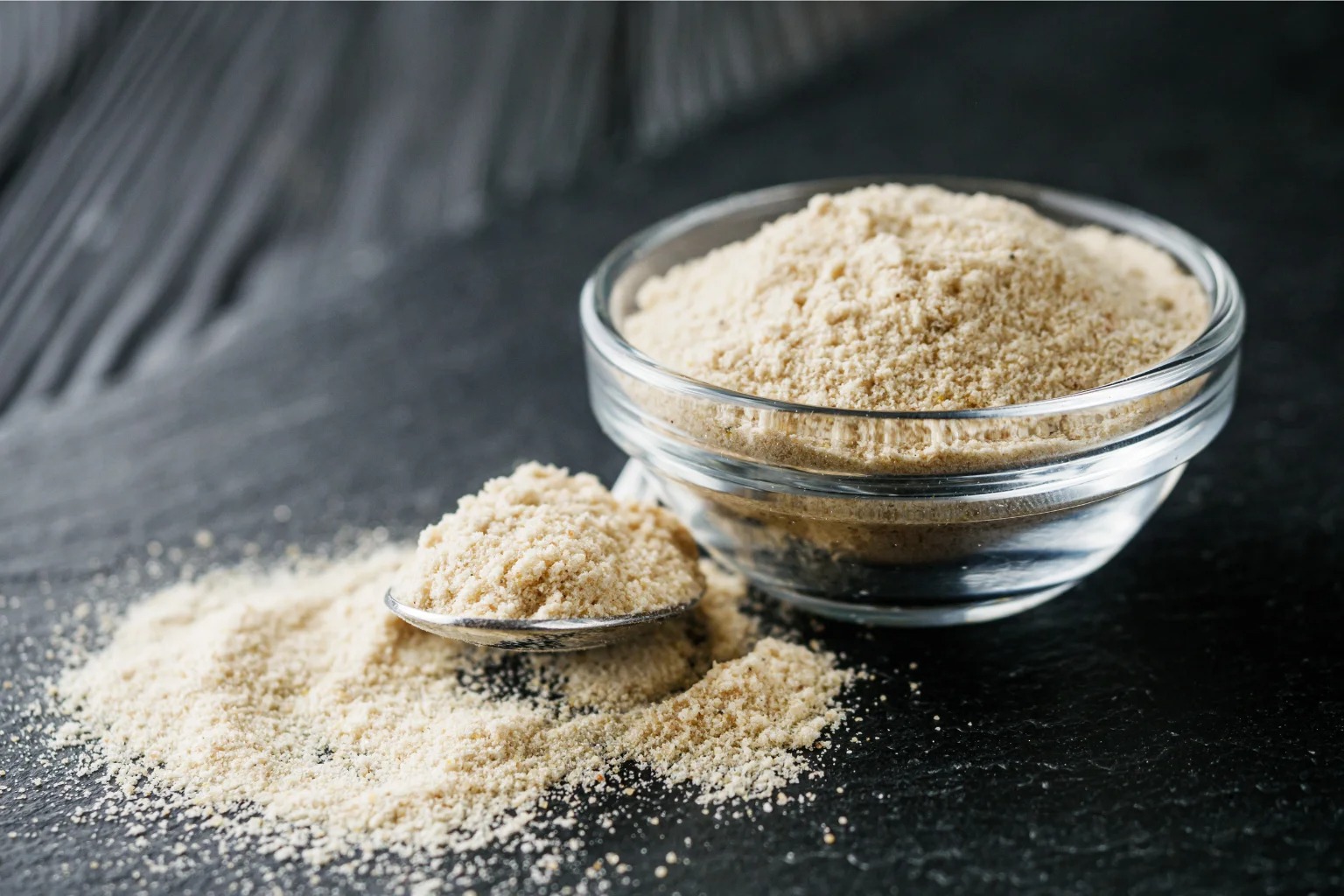
In Indian kitchens, Hing (Asafoetida) is often called the "magic spice" for its ability to transform a dish with its pungent, umami-rich aroma. It is a staple for digestion and flavor, but according to culinary experts, it is not a "one-size-fits-all" ingredient. Using Hing in the wrong dish can completely ruin the flavor profile and aroma.
Here are the 8 types of dishes where you should avoid using Hing:
1. Sweet Dishes (Desserts)
This might seem obvious, but it’s the golden rule. Hing has a very strong, savory, and sulfurous smell. Using it in Kheer, Halwa, or any milk-based dessert will clash with the sweetness and make the dish unappetizing.
2. Mildly Spiced Continental Food
If you are cooking Italian pasta or French soups, keep the Hing in the cabinet. These cuisines rely on herbs like oregano, basil, and thyme. The dominance of Hing will overpower these delicate herbs, making the dish taste "confused."
3. Dishes with Delicate Aromas
Dishes that feature subtle natural scents—like a light vegetable broth or a saffron-infused Pulao—should stay away from Hing. Hing is a "bully" spice; it will mask the expensive aroma of saffron or the freshness of light vegetables.
4. Citrus-Forward Recipes
Recipes that rely heavily on lemon, lime, or vinegar (like certain salads or tangy fish stews) don't pair well with the heavy, earthy notes of Asafoetida. The sharpness of the citrus and the pungency of Hing often create an unpleasant aftertaste.
5. Creamy White Sauces
In North Indian or Continental cooking, if you are making a white gravy (Malai Kofta or Béchamel sauce), Hing can discolor the sauce and introduce a sharpness that cuts through the desired "velvety" and creamy texture.
6. Cold Salads
Hing needs heat to release its true flavor. In Indian cooking, we always put it in hot oil (Tadka). Adding raw Hing to cold salads or raitas (unless it’s a specific recipe like Hing-Jeera Raita) can result in a bitter, raw taste that lingers unpleasantly.
7. High-Protein Meat Dishes (Sometimes)
While Hing is great for digestion in lentils (Dal), some gourmet meat preparations rely on the specific "gamey" or "smoky" flavor of the meat. Overusing Hing here can make the meat taste more like a vegetable curry, stripping it of its unique character.
8. Fermented Foods (During Fermentation)
If you are fermenting batter for Idli or Dosa, do not add Hing during the fermentation process. Its anti-microbial properties can sometimes interfere with the natural yeast/bacteria growth, affecting the fluffiness of the final product. Add it later during the tempering if needed.
Pro-Tip for Hing Lovers
Always add Hing to hot oil or Ghee for just a few seconds. This mellows the raw pungency and turns it into a savory, onion-garlic-like flavor that enhances the dish rather than overpowering it.
Read More: Never Eat Bitter Cucumbers Again 5 Simple Kitchen Hacks to Remove Bitterness in Seconds