Will Arch-Rival Iran Join the Abraham Accords? US President Donald Trump Drops Major Hint Regarding New World Order
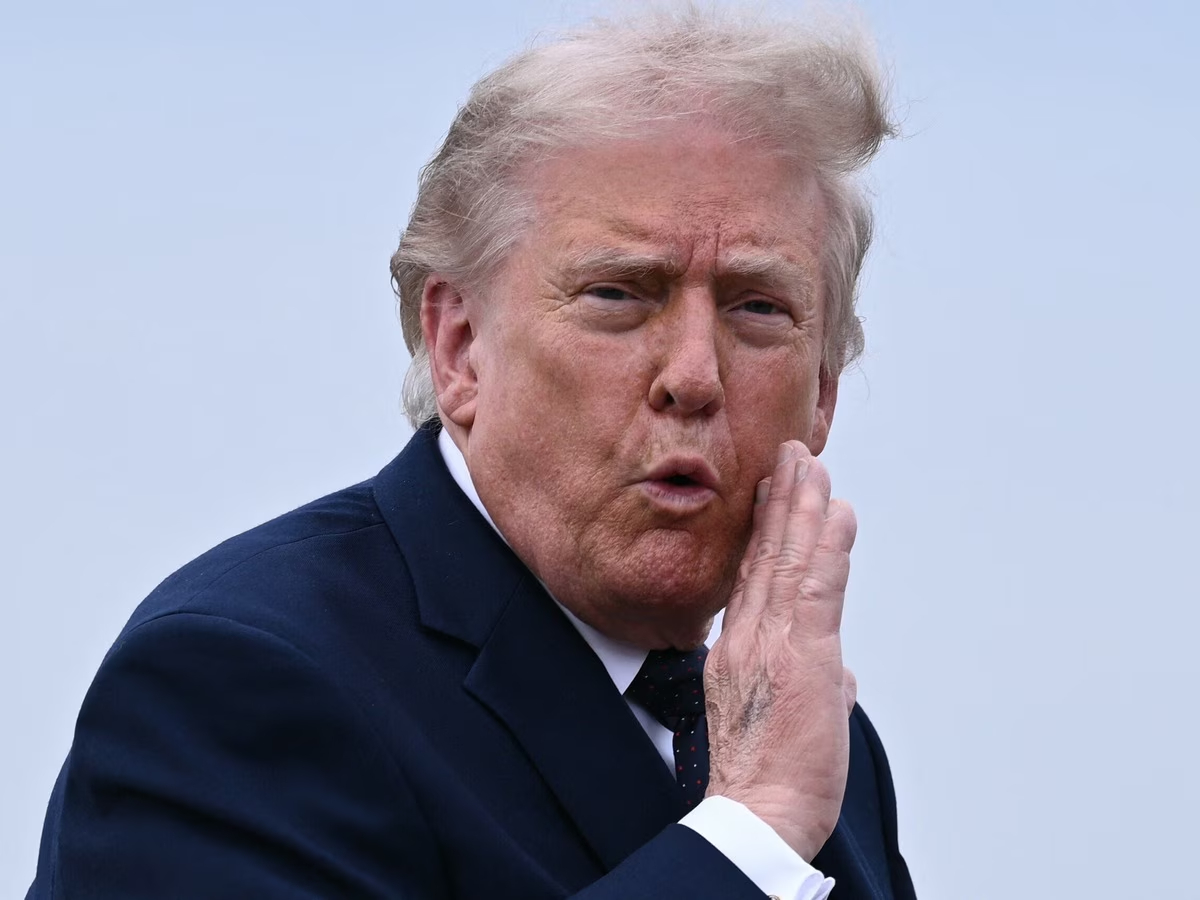
In a stunning geopolitical twist that could completely redraw the diplomatic map of West Asia, US President Donald Trump has dropped a massive hint suggesting that the Islamic Republic of Iran might eventually join the historic Abraham Accords. This unexpected statement comes at a time of heightened regional friction, catching international foreign policy experts by surprise due to the deep-seated, decades-long hostility between Tehran and Tel Aviv. If materialized, this inclusion would mark a paradigm shift in Middle Eastern diplomacy, potentially establishing an entirely new security and economic framework across the region.
Trump Praises Gulf Nations on Truth Social and Teases Expansion The diplomatic ripples began when US President Donald Trump took to his social media platform, Truth Social, to express his gratitude toward Gulf nations for their active role in fostering dialogue and regional stability. In a brief but highly impactful post, Trump wrote, "I would like to thank all of the Middle Eastern nations for their support and cooperation. This cooperation will grow even stronger by joining the historic Abraham Accords. And who knows, maybe the Islamic Republic of Iran will join as well!" While the statement has triggered intense global speculation, Iranian leadership has yet to issue a formal diplomatic response to these specific remarks.
A Recurring Theme in Washington's Vision for Peace This is not the first instance where Trump has voiced the possibility of integrating Tehran into a broader regional peace framework. During previous announcements concerning ceasefire negotiations between Israel and regional factions, the US President expressed a strong conviction that Iran would ultimately seek inclusion in the regional order. However, Iranian officials have historically dismissed such claims. Iranian Foreign Minister Abbas Araghchi has previously reiterated Tehran’s steadfast stance, explicitly stating that Iran does not recognize the sovereign legitimacy of Israel and views Western-backed regional pacts with deep skepticism.
Decoding the Mechanics of the Abraham Accords Brokered under US mediation in 2020, the Abraham Accords represent a landmark series of normalization agreements aimed at resetting decades of conflict and establishing formal diplomatic, trade, tourism, and security ties between Israel and Arab nations. The United Arab Emirates (UAE) and Bahrain were the pioneering signatories to the accord, followed subsequently by Morocco and Sudan. Ironically, the foundational strategic logic of the Abraham Accords was to build a unified regional coalition to counterbalance Iran's expanding influence in the region, making Trump's latest suggestion to include Iran a fascinating diplomatic irony.
The Wall of Hostility: Is a Breakthrough Realistically Possible? Prior to the 1979 Islamic Revolution, Iran and Israel maintained functional, cooperative bilateral relations. However, the establishment of the current theological regime pivots Iran's foreign policy directly against Israel, culminating in the creation of the 'Axis of Resistance'—a network comprising Hamas, Hezbollah, and the Houthi movement. Iran has consistently condemned the Abraham Accords, characterizing them as a betrayal of regional and Palestinian solidarity. Given the intense military and intelligence friction currently defining US-Iran and Israel-Iran relations, bridging this immense diplomatic chasm remains one of the most complex challenges in modern international relations.

_220183450_351x234.jpeg)
_501604793_351x234.jpeg)
_953788937_351x234.jpeg)