Rajasthan Cabinet To Review 10 Big Proposals On Development And Youth Employment In Crucial Meeting
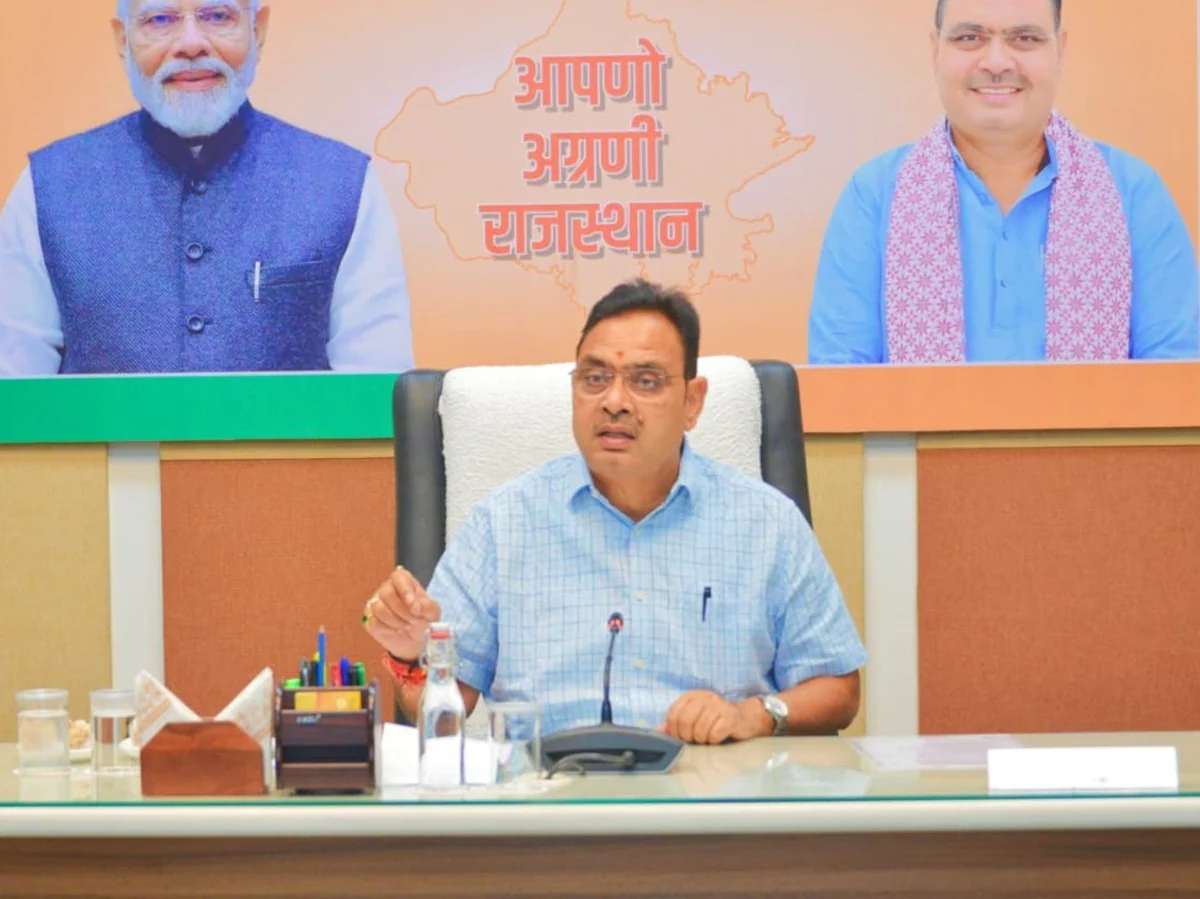
Political activity has intensified across Rajasthan as the state government gears up for a highly anticipated Cabinet meeting today. Chaired by Chief Minister Bhajan Lal Sharma at the Chief Minister's Office (CMO) in Jaipur, this high-level assembly is expected to result in several landmark policy announcements. Cabinet ministers and top bureaucrats will deliberate on a comprehensive 10-point agenda that spans critical sectors, including state infrastructure, public welfare schemes, agricultural subsidies, and crucial policy reforms aimed at boosting local governance.
Focus on Youth and Employment Ahead of Upcoming State Decisions
One of the primary highlights of today's Cabinet meeting is a major push toward public sector employment and youth welfare. The administration is expected to review proposals aimed at streamlining recruitment processes for vacant government posts, relaxing age limits for specific state-level competitive exams, and introducing specialized skill-development initiatives. Insiders suggest that a formal policy framework regarding new job creation across various departments, including Education and Health, is on the table to address long-standing public demands.
Major Boost for Farmers and Rural Infrastructure Upgrades
With rural development taking center stage, the Cabinet is scheduled to discuss significant relief measures for the state's agricultural community. The agenda includes reviewing financial allocations for solar pump subsidies and expanding micro-irrigation networks across drought-prone regions. Additionally, ministers will evaluate a dedicated budget proposal to improve rural connectivity by upgrading damaged village roads into all-weather transit pathways, a step aimed at directly benefiting farmers transporting fresh produce to urban marketplaces.
Administrative Reforms and Strengthening Local Civic Bodies
Beyond financial packages, the Bhajan Lal Sharma administration is prioritizing structural efficiency. The Cabinet will debate a set of administrative reforms intended to simplify public service delivery by cutting red tape. Proposals to grant greater financial autonomy to urban local bodies (ULBs) and Panchayati Raj institutions are also scheduled for discussion, ensuring that development funds are utilized effectively at the grassroots level. Official statements outlining the final approved decrees are expected to be issued by the state's public relations department immediately following the conclusion of the evening session.