Petrol and Diesel Prices Spike for the Second Time in 5 Days Across Rajasthan ,Jaipur Fuel Rates Near Historic Highs
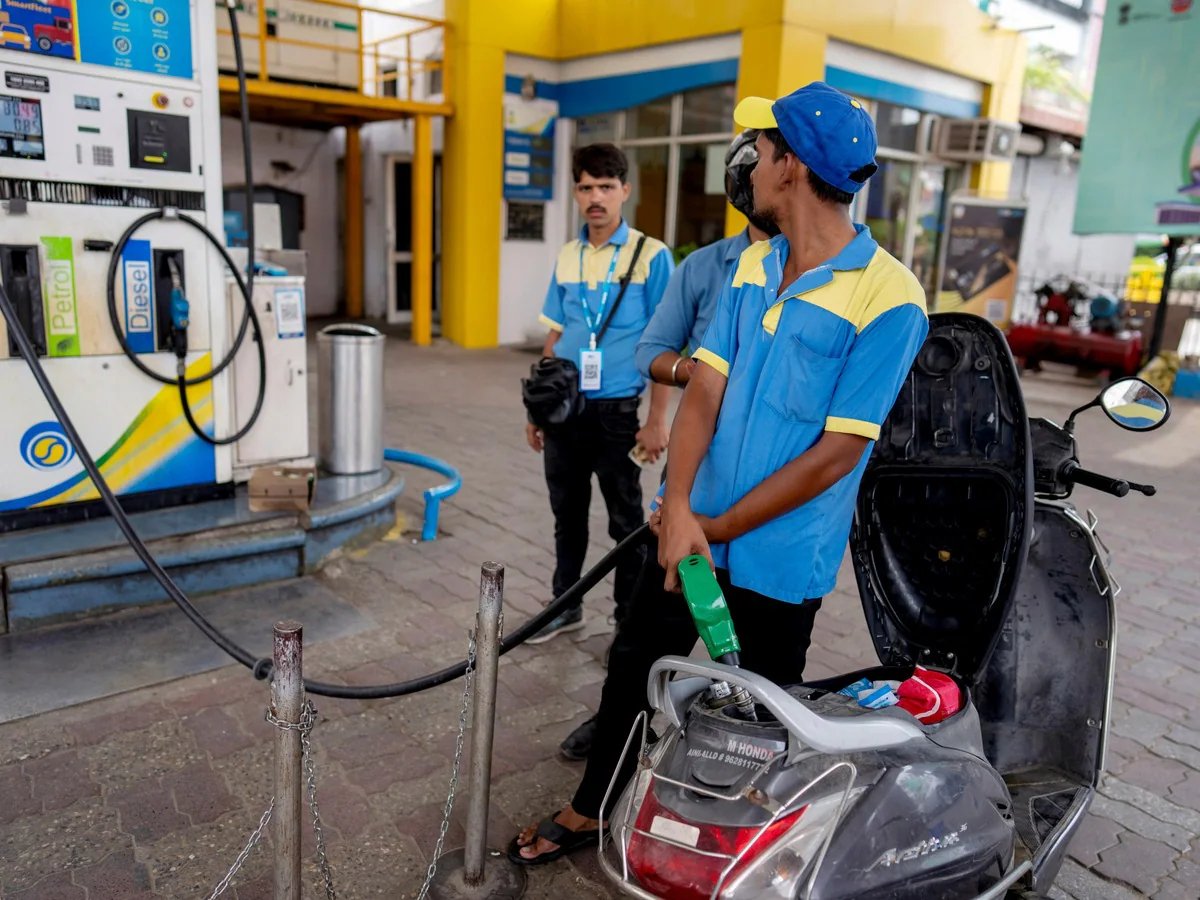
Consumers in Rajasthan are reeling under a massive financial burden as Oil Marketing Companies (OMCs) announced another consecutive hike in petrol and diesel retail prices. This marks the second sharp price upward revision in a brief span of just five days, severely disrupting the monthly household budgets of the common man and sending shockwaves through the local transport sector.
New Fuel Rates Implemented Across Major Districts
Following the implementation of the freshly revised tariffs, the state capital Jaipur saw petrol prices climbing to Rs 108.91 per litre, while diesel rates scaled up to Rs 94.14 per litre.
The situation is significantly more severe in the border districts, which historically experience higher costs due to internal logistics and freight charges. In Sri Ganganagar and Hanumangarh, petrol prices have hit a staggering Rs 110.40 per litre, with diesel trailing close behind at approximately Rs 95.65 per litre.
Back-to-Back Revisions Break Consumers' Backs
This sudden surge follows an earlier, aggressive price hike executed just days ago on May 15, when OMCs slapped a massive flat increase of Rs 3 per litre on both fuels. The consecutive adjustments within a single week have compounding financial implications for local businesses, commuters, and daily wage earners who are already struggling with general commodity inflation.
Market experts indicate that the primary catalyst driving this domestic surge is the immense volatility in the international oil markets.
Escalating West Asian Tensions Push Global Crude Beyond $100
The underlying driver of this price hike rests in global geopolitics. Severe diplomatic and military standoffs in West Asia—specifically involving escalating friction between Iran and the United States—have directly disrupted critical maritime energy supply corridors like the Strait of Hormuz.
Consequently, global Brent crude oil prices have experienced a rapid, aggressive rally, skyrocketing from a relatively stable position of around $70 per barrel to breaching the psychological threshold of $100 per barrel.
Why India is Vulnerable to International Fluctuations
India’s domestic fuel economy remains highly sensitive to global supply chain shocks because the nation imports nearly 90% of its total crude oil requirements to meet domestic consumption demands. Whenever international oil prices spike or the Indian Rupee depreciates against the US Dollar, the import bill inflates proportionally.
Under the current Dynamic Pricing System implemented nationwide, public sector oil marketing companies adjust fuel rates on a daily basis at 6:00 AM based on a rolling average of international benchmark rates and foreign exchange variations, ensuring that global macroeconomic pressures reflect directly on local retail fuel pumps.