
 Priyanka Tiwari
 Share
Share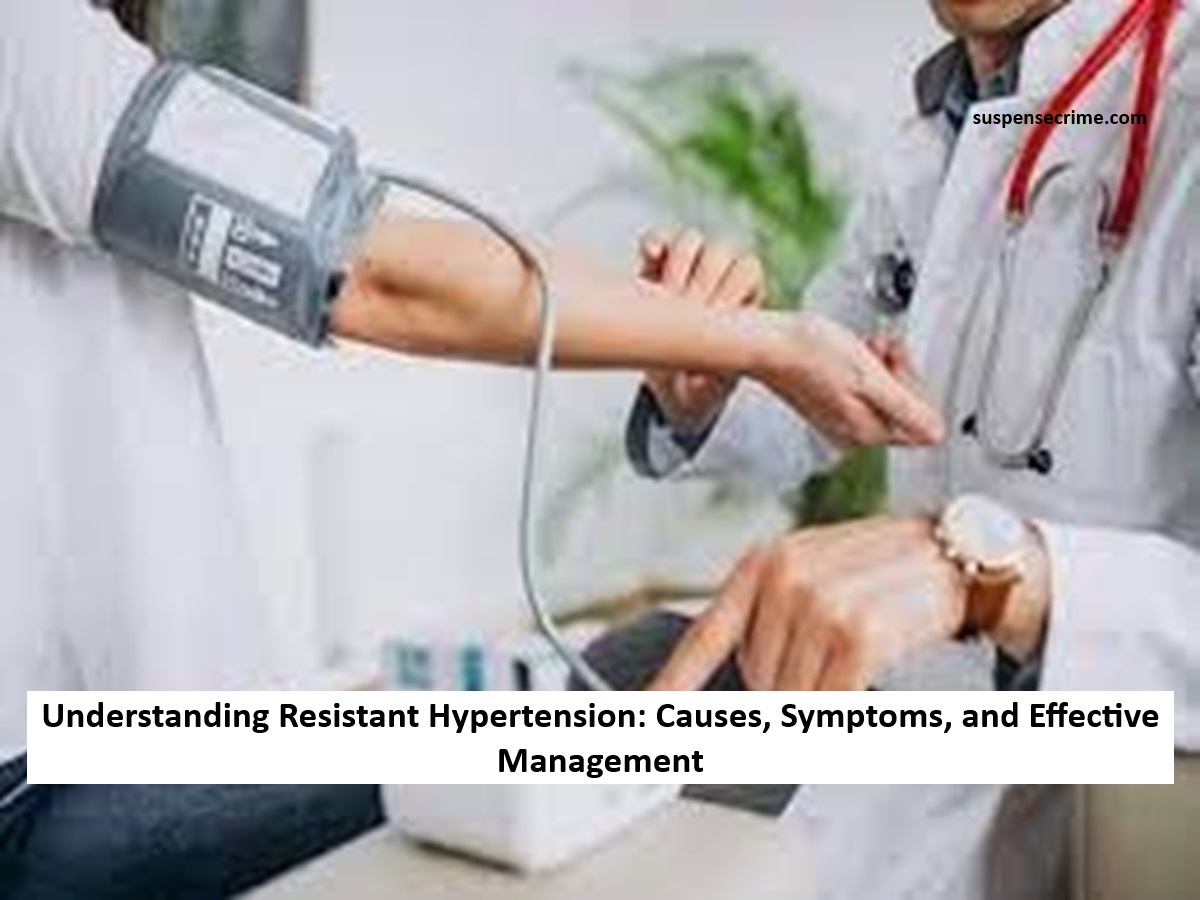
Suspense crime, Digital Desk : Resistant hypertension is a type of hypertension that occurs when blood pressure remains elevated despite the usage of at least three different classes of anti-hypertensive medications. This condition is very dangerous because it can lead to heart attacks, strokes, and kidney problems. While many people have high blood pressure, not all cases are truly resistant. Typically, lifestyle factors and issues related to the medication take the primary blame for the uncontrolled readings.
Expert Insight
In the words of Dr. Manish Bansal, Senior Director of Clinical & Preventive Cardiology, Medanta, Gurugram “True resistant hypertension is quite rare. Most often, we deal with pseudo-resistance – what looks like resistance but is actually due to some mismanagement, like missed doses or poor medication choices, or unhealthy lifestyle choices.”
Causes Of Resistant Hypertension
The following may lead to resistant hypertension:
- Problems with the kidneys
- Hormonal disorders
- Obesity
- High consumption of salt
- Chronic stress
- Some specific medications
- Other underlying conditions
These factors can increase the workload on the heart as well as the kidneys which is dangerous. It makes the individual more susceptible to severe health complications.
Possible Symptoms
Though resistant hypertension doesn’t usually present with many symptoms, these are the possible consist of:
Headaches
Discomfort in the chest
Feeling tired
Irregular heartbeat
Shortness of breath
Blurred vision
Managing Resistant Hypertension
1. Routine New Medication Review
Make sure to talk to your doctor to guarantee that you have the proper medication regimen. You might require a medication or dosage change.
2. Decrease Salt Intake
Cut down on salty and processed foods. In cooking, prefer herbs and spices instead of salt.
3. Decrease Alcohol Use
Excessive use of alcohol can interfere with some medications and increase blood pressure.
4. Increase Exercise
Walking, cycling, or swimming are all great options. Aim for a brisk 30 minute walk every day.
5. Reduce Weight
Even a small amount of weight loss can help reduce blood pressure levels. Follow a balanced diet and exercise.
6. Check Blood Pressure at Home
Check your blood pressure regularly and report them to your physician. This can help improve treatment strategies.
7. Control Stress Levels
Apply relaxation methods such as deep breathing, yoga, or meditation.
Benefits of Regular Follow Ups
Checkups can help monitor and identify the secondary issues arising from hypertension. Certain conditions such as sleep apnoea or adrenal disorders may need further evaluation.
_891152136_100x75.jpg)
_934999377_100x75.jpg)
_297632329_100x75.jpg)
_1971369341_100x75.jpg)