
 Priyanka Tiwari
 Share
Share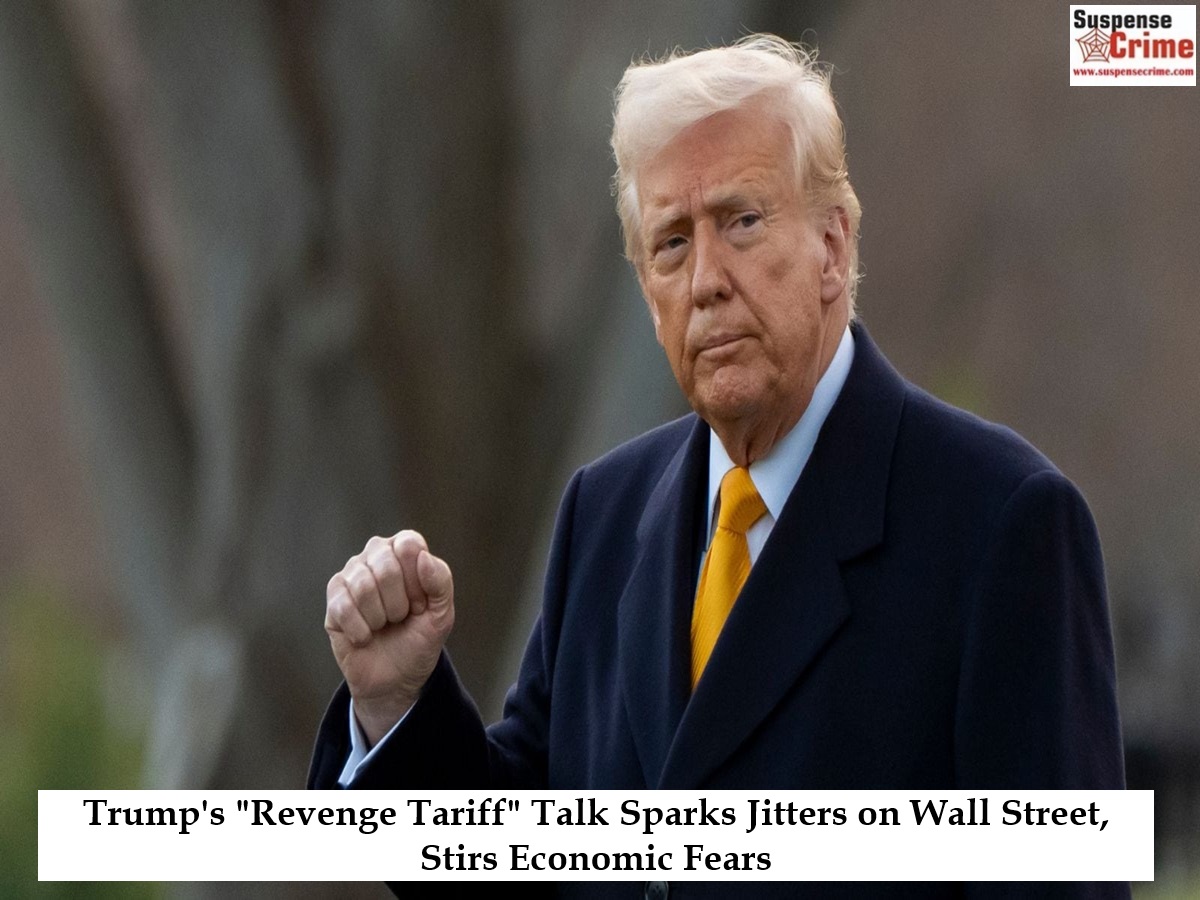
Suspense crime, Digital Desk : Former U.S. President Donald Trump's recent floating of a potential "revenge tax" – widely interpreted as a new wave of significant tariffs on imported goods – is sending shivers down the spines of Wall Street investors and economic analysts. The proposal, seen as a cornerstone of his potential economic policy if re-elected, has ignited concerns about renewed trade wars and significant disruptions to the global economy.
While specific details remain somewhat undefined, the implication is that these tariffs could be broadly applied or targeted at nations perceived as having unfair trade practices, possibly including allies. The "revenge" aspect suggests a punitive intent, potentially escalating international trade tensions far beyond what was seen during his first term.
Financial markets are reacting with apprehension. Investors fear that such aggressive tariffs could lead to retaliatory measures from other countries, spiraling into costly trade conflicts. This could, in turn, increase the cost of goods for American consumers (fueling inflation), disrupt carefully constructed global supply chains, and negatively impact the profits of U.S. corporations reliant on international trade and components. The uncertainty alone is enough to make markets skittish.
Analysts are drawing parallels to the tariffs imposed during Trump's previous presidency, which led to market volatility and strained relationships with key trading partners. The prospect of an even more assertive protectionist stance is prompting Wall Street to brace for potential economic turbulence, with concerns about everything from hampered growth to increased borrowing costs if inflation spikes. The mere suggestion of such a sweeping "revenge tax" is forcing a reassessment of market risks.
Read More: BLA Forms Own Navy? Balochistan Liberation Army Claims First-Ever Naval Strike in Major Escalation