
 Ziya
Ziya Share
Share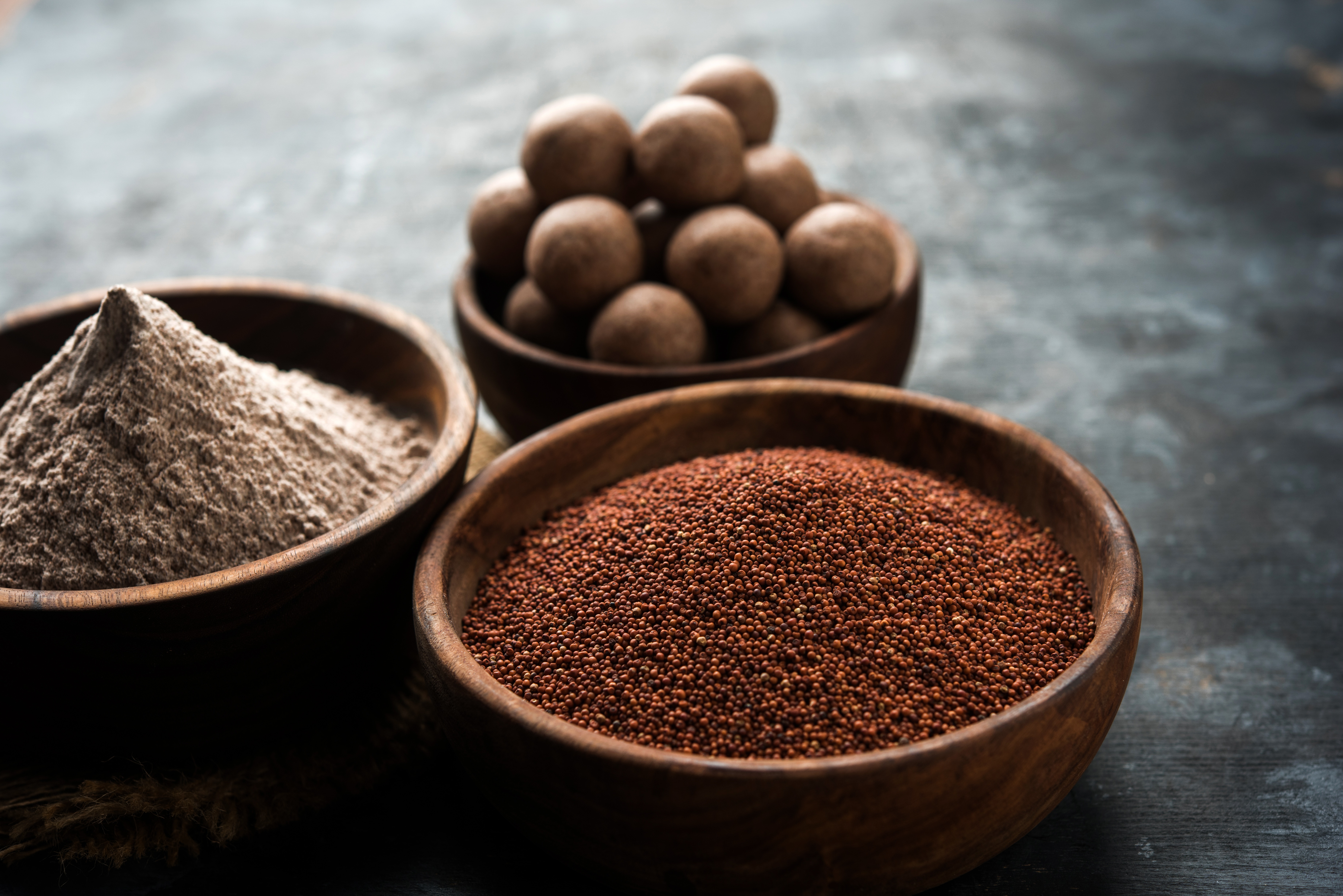
In the world of trendy "superfoods" like quinoa and kale, we often forget the powerhouse grain that has been sitting in Indian pantries for centuries: Ragi (Finger Millet). On February 18, 2026, renowned nutritionist Leema Mahajan took to social media to break down exactly why this humble red grain is more than just a tradition it is a nutritional necessity, specifically for women. From bone density to hormonal balance, ragi addresses the unique physiological challenges women face at every stage of life.
1. The Bone Density Shield (Calcium Powerhouse)
Women are statistically more prone to osteoporosis and bone density loss, especially after the age of 30 and during menopause.
The Ragi Edge: Ragi contains three times more calcium than milk. Leema Mahajan explains that it is one of the best non-dairy sources of calcium, helping to strengthen the skeletal system and prevent joint pain in later years.
2. Fighting the 'Anemia Epidemic'
Iron deficiency remains one of the most common health issues among Indian women.
The Solution: Ragi is an excellent source of natural iron. When consumed with a dash of Vitamin C (like a squeeze of lemon), the iron absorption increases significantly. Mahajan recommends ragi to women struggling with low hemoglobin levels and chronic fatigue.
3. A Friend for New Mothers
For breastfeeding mothers, ragi is considered a "galactagogue"—a substance that helps increase breast milk production.
The Benefit: Because it is rich in iron, calcium, and essential amino acids, it not only boosts milk supply but also provides the mother with the energy she needs during the demanding postpartum period.
4. Hormonal Balance & PCOS
Many women today struggle with PCOS (Polycystic Ovary Syndrome) and insulin resistance.
The Low-GI Advantage: Ragi is a low-glycemic index (GI) food. It releases sugar into the bloodstream slowly, preventing the insulin spikes that can worsen hormonal imbalances. Its high fiber content also aids in healthy weight management, a key factor in managing PCOS.
5. Natural Relaxation
Interestingly, ragi is rich in Tryptophan, an amino acid that helps in the production of Serotonin. Leema Mahajan highlights that regular consumption can help reduce anxiety, manage mood swings during PMS, and promote better sleep quality.
How to Add Ragi to Your Diet Today
Leema suggests not overcomplicating it. You can reap the benefits by:
Swapping your morning oats for Ragi Malt (porridge).
Mixing ragi flour with your regular atta for Ragi Rotis.
Trying Ragi Dosa or Idli for a fermented, gut-friendly breakfast.
The Verdict: Ragi isn't just "ancient grain" hype; it is a scientifically backed nutritional tool. For women looking to invest in their long-term health, a bowl of ragi might be the most valuable investment they make.
Read More: The Finger Millet Revolution Why Nutritionist Leema Mahajan Calls Ragi a Woman’s Best Friend




_1789537211_100x75.jpg)