Ziya
Ziya Share
Share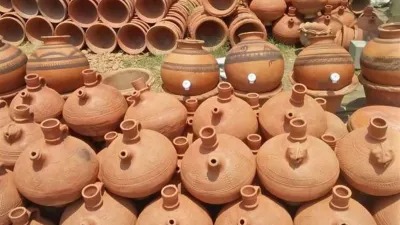
As the mercury begins to soar across India this March, the traditional earthen pot, or Matka, is making a massive comeback. While modern refrigerators provide cold water, nothing beats the natural cooling and health benefits of water stored in a clay pot. However, not every pot you see on the roadside is built to keep water chilled.
To ensure you get that refreshing, naturally cool sip this summer, follow these expert tips before heading to the market.
The Sound Test: Listen Before You Buy
The most reliable way to check the quality of a Ghada is by its sound.
The Metallic Ring: Gently tap the pot with your knuckles. If it produces a clear, metallic "ring" or "tinkling" sound, it means the clay has been fired perfectly in the kiln.
The Thud: If the pot makes a dull, heavy "thud," it is likely under-baked or has internal structural weaknesses. Avoid these, as they won't last long and might leak.
Texture Matters: Look for Pores, Not Polish
The cooling mechanism of a Matka relies entirely on evaporation.
Avoid the Shine: Many modern pots are painted or polished to look attractive. Avoid these! Polishing or painting clogs the tiny pores of the clay, preventing evaporation and leaving your water lukewarm.
Rough and Natural: Choose a pot that feels slightly rough to the touch. This indicates open pores that allow the pot to "breathe," ensuring the water stays icy cold even in 45°C heat.
Check for Cracks: Inspect the surface under bright light for hairline fractures that could expand once filled with water.
Shape and Finish: Choosing the Right Design
The Base: Ensure the bottom of the pot is sturdy. If you don't have a dedicated stand, look for a "flat-bottom" design to prevent tipping.
The Mouth: A wider mouth makes it easier to clean the pot from the inside, which is essential to prevent moss or bacterial buildup over time.
The Tap (Optional): Many pots now come with a built-in tap. While convenient and more hygienic (as you don't have to dip a glass inside), ensure the fitting is tight and made of high-quality, food-safe plastic or brass.
Pro-Tip: How to "Season" Your New Pot
Once you bring your new Ghada home, don't use it immediately.
Soak It: Submerge the entire pot in a bucket of plain water for 24 hours. This strengthens the clay.
The First Rinse: Wash it thoroughly using only water—never use soap or detergent, as the porous clay will absorb the chemicals.
The Placement: Place the pot in a well-ventilated area (like near a window) on a bed of wet sand for maximum cooling.
Read More: Beat the Heat: Top 5 Hydrating Fruits Recommended by Health Experts to Stay Cool This Summer