

 Ziya
Ziya Share
Share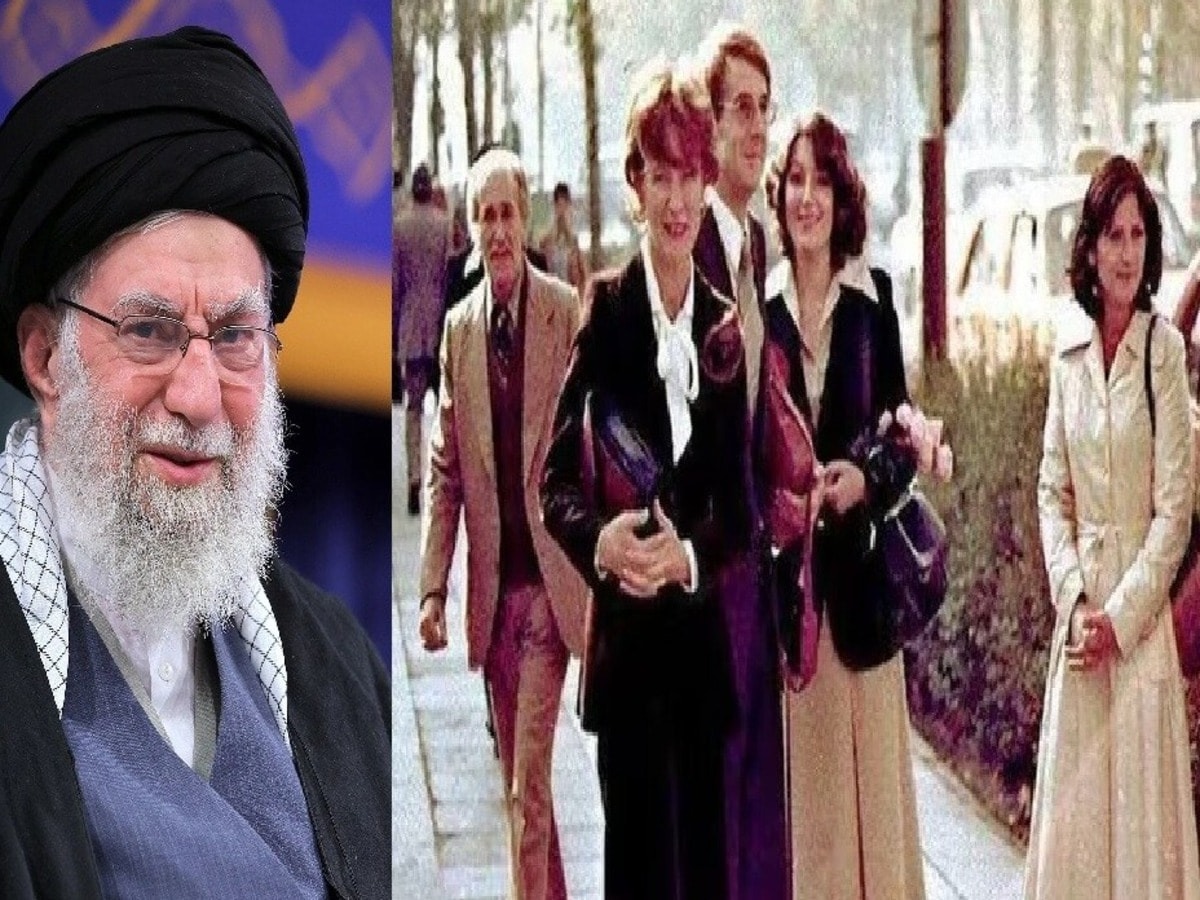
When we look at Iran today, the images that dominate the news are often of strict laws, religious oversight, and geopolitical tension. But if you step back just over 45 years, you’ll find a country that looked and felt entirely different. Before the 1979 Islamic Revolution, Iran was often described as the "Paris of the Middle East."
The transition from the reign of Shah Mohammad Reza Pahlavi to the era of Ayatollah Khomeini wasn't just a political shift; it was a total cultural overhaul. Here’s a look at what "Old Iran" really looked like.
A Modern, Westernized Hub
In the 1960s and 70s, Tehran was a fashion capital. Women walked the streets in miniskirts and high heels, university campuses were co-educational, and Western music and cinema were part of daily life. The Shah’s "White Revolution" aimed to modernize Iran rapidly, focusing on land reforms, women's suffrage, and massive infrastructure projects.
Education and Women's Rights
Under the Shah, Iranian women enjoyed freedoms that were virtually unheard of in most of the region at the time. They could vote, hold high-ranking government offices, and work as judges or pilots. Hijab was a matter of personal choice rather than a legal mandate. The literacy rate climbed, and the country’s middle class was expanding at a record pace.
The Economic Boom and the "Shadow"
Fuelled by oil wealth, Iran’s economy was one of the fastest-growing in the world. The Shah wanted Iran to be a global powerhouse, and for a while, it seemed to be working.
However, this "shining" modernity had a dark side that eventually led to its downfall:
The Wealth Gap: While the urban elite in Tehran lived like royalty, rural areas remained impoverished and neglected.
Political Suppression: The Shah’s secret police, SAVAK, was notorious for crushing dissent, leading to widespread underground anger.
Cultural Friction: The rapid Westernization felt like an "attack" on traditional Islamic values to the more conservative segments of society.
The 1979 Pivot
The 1979 Revolution replaced the monarchy with an Islamic Republic led by Ayatollah Khomeini. Almost overnight, the social fabric changed. Strict dress codes were implemented, Western influence was purged, and the "modern" Iran that the world once knew became a memory preserved only in old photographs.
Today, those photos of 1970s Tehran serve as a poignant reminder of how quickly a nation’s identity can transform.

_132300150_100x75.jpg)
_430488585_100x75.jpg)
_1333714631_100x75.jpg)
_58079313_100x75.jpg)