
 Priyanka Tiwari
 Share
Share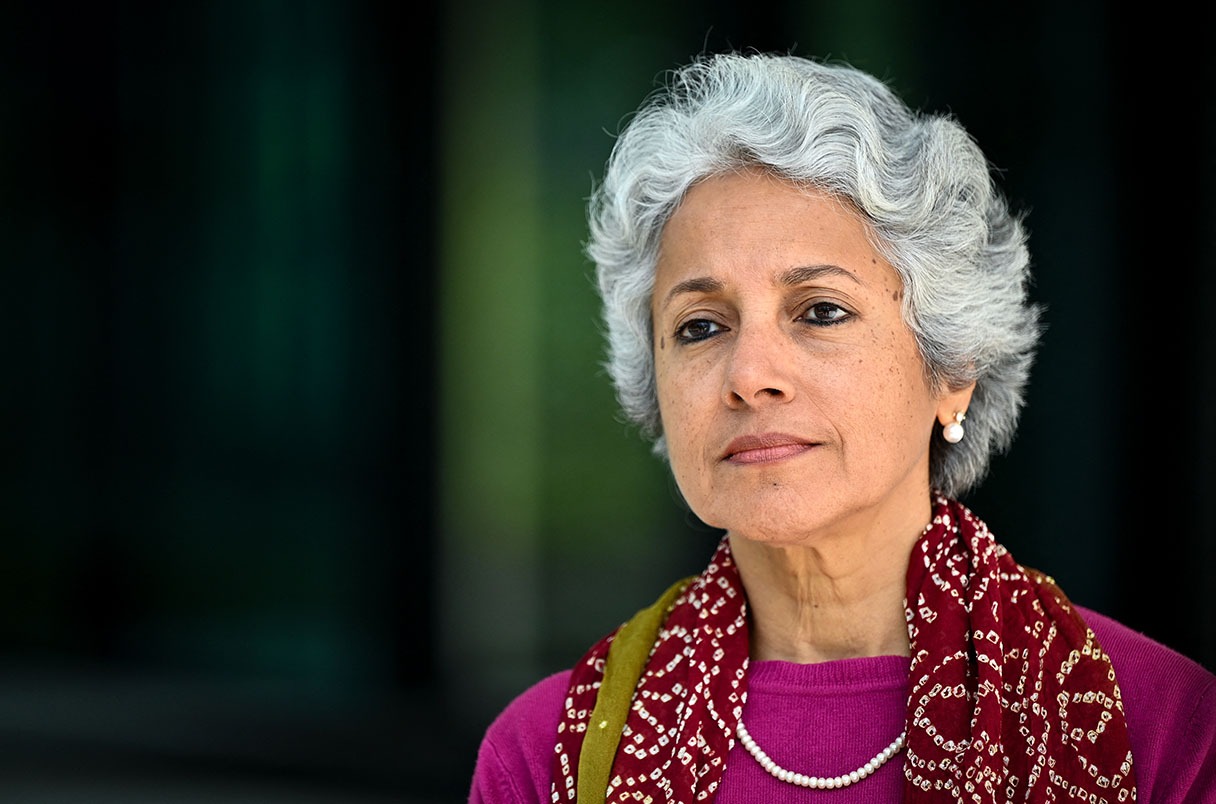
New Delhi, March 9, 2025 – Former WHO chief scientist and health ministry advisor Dr. Soumya Swaminathan has emphasized the importance of listening to one’s body and ensuring sufficient rest to maintain efficiency and prevent burnout. In an interview with PTI, she warned that prolonged overwork is unsustainable and counterproductive in the long run.
Swaminathan pointed out that while intense work for short periods is feasible, as seen during the COVID-19 pandemic, maintaining such a pace indefinitely can negatively impact both physical and mental health.
Impact of Long Working Hours on Health
Addressing the effects of extended working hours, Swaminathan noted that many professionals, especially healthcare workers, endured high stress and sleep deprivation during the pandemic. However, she cautioned that long-term overexertion leads to burnout, inefficiency, and even career shifts.
“You can work intensely for a few months, but continuing at that level for years is unsustainable. During COVID, healthcare workers operated round-the-clock, leading to burnout and many leaving the profession,” she stated.
Swaminathan stressed that productivity depends more on the quality of work rather than the number of hours spent.
“You can sit at your desk for 12 hours, but after a certain point, your efficiency drops. The body and mind require rest to function optimally,” she added.
Debate on Work Hours in India
The discussion around work-life balance and extended working hours has gained prominence after comments by several business leaders.
- L&T Chairman S N Subrahmanyan suggested a 90-hour workweek, arguing that employees should work every day instead of staying home.
- Infosys Co-founder Narayana Murthy previously recommended a 70-hour workweek to boost productivity.
- Former Niti Aayog CEO Amitabh Kant recently stated that Indians must work 80-90 hours a week to achieve the country's economic goal of becoming a $30 trillion economy by 2047.
Despite these viewpoints, the Indian government clarified that it is not considering any proposal to increase the maximum work hours to 70 or 90 hours a week, as stated by Union Minister of State for Labour and Employment Shobha Karandlaje in Parliament last month.
Focus on Sustainable Productivity
Swaminathan’s stance highlights a broader debate on whether longer working hours translate into higher productivity or lead to diminishing returns. She advocates for a balanced approach, prioritizing mental and physical health alongside professional commitments.
As discussions continue, the focus remains on ensuring that work environments promote both efficiency and employee well-being, recognizing that sustainable productivity is not just about hard work but smart work.
Read More: A Compromised Prime Minister Rahul Gandhi Launches Scathing Attack on PM Narendra Modi