Bihar Bride Sends Drunk Groom Back on Wedding Night - Her Three Words Said Everything

There are moments that define a person's character — and for a young woman in Bihar's Saharsa district, that moment came right in the middle of her own wedding ceremony, in front of hundreds of guests, with a garland in her hand.
She looked at the groom swaying on stage. She put the garland down. And she said three words: "Go back. I won't marry you."
Then she walked inside.
What Happened at the Wedding
The incident took place in Ward No. 2 of Sattar Panchayat, under the Bhira police station area of Saharsa. The young woman had been engaged to Rohan Kumar, originally from Purnia and currently living in Shivpuri Mohalla in Saharsa.
On Tuesday night, the wedding procession arrived at the bride's home with all the usual fanfare — music, dancing, lights, and the general celebratory noise that surrounds a baraat. Nobody in the procession gave away what state the groom was actually in.
When Rohan Kumar was called to the stage for the mala ceremony, it became immediately apparent to everyone present that something was wrong. According to eyewitnesses, the groom was not just drunk — he was reportedly under the influence of sedatives as well. He was staggering, struggling to stand upright, and behaving in a way that left the gathering stunned into silence.
When the bride walked onto the stage and saw him, she didn't hesitate for a single moment. She refused to exchange garlands, stepped off the stage, and told her family plainly and clearly: she would not spend her life with a man who was addicted to drugs and alcohol.
A Family That Stood With Her
What makes this story particularly significant is not just the bride's courage — it's the fact that her family backed her completely.
In many such situations across rural India, family pressure, social embarrassment, and the logistical nightmare of a broken wedding push young women into going through with marriages they don't want. That didn't happen here. The moment the bride's family understood the full picture, they stood firmly behind her decision.
The wedding party, sensing the atmosphere, began quietly slipping away from the venue.
Then Came the Money Problem
Once the immediate drama of the rejected wedding settled, a harder conversation began. The bride's father came forward with a serious grievance: he had sold five katthas of land and paid five lakh rupees in cash as part of the wedding arrangements. That money, he said, needed to come back.
Enraged villagers and relatives took matters into their own hands. The groom, his father, and the marriage broker were held back and not allowed to leave the premises. The demand was non-negotiable — nobody was going anywhere until the expenses and the money paid were returned in full.
Police Arrive, Tensions Run High
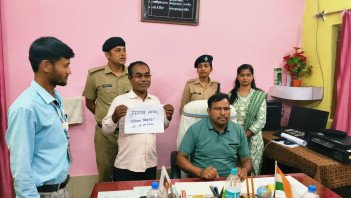
News of the standoff reached the Bihar Police, who arrived at the scene and attempted to bring calm to what had become a highly charged situation. Initial attempts at de-escalation didn't work — the villagers remained firm. Additional police personnel were called in as the situation continued to simmer.
After hours of panchayat-style deliberation, with police mediating on the ground, the groom's family provided a written assurance that the money would be returned. Only after this commitment was put in writing were the groom and his father allowed to leave.
Rohan Kumar left the village without a bride, without the wedding he had come for, and with a written promise of repayment hanging over him.
Why This Story Matters
This isn't just a dramatic wedding story. It reflects something that doesn't happen nearly enough — a young woman recognising a red flag at the most critical moment and acting on it, regardless of the social pressure and spectacle surrounding her.
Drug and alcohol addiction in young men continues to quietly devastate families across India, often hidden from the bride's family until after the wedding, when it becomes someone else's problem to manage for a lifetime. The woman in Saharsa refused to let that happen. And in doing so, she made a statement that resonated far beyond her village.