 Ziya
Ziya Share
Share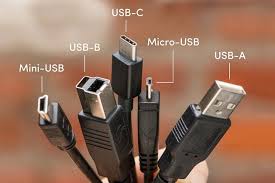
In the modern tech ecosystem, the USB Type-C cable has become as essential as the smartphone itself. From high-end laptops to budget-friendly neckbands, this "one-size-fits-all" solution is everywhere. But have you ever wondered why it’s called ‘Type-C’ and what makes it so much more powerful than its predecessors?
The Alphabet of USB: Why ‘C’?
The letter ‘C’ in Type-C doesn't stand for a complex technical term like "Connector" or "Circuit." Instead, it simply refers to the alphabetical progression of USB connector designs:
USB Type-A: The classic, rectangular port we’ve used on computers and wall bricks for decades.
USB Type-B: The square-ish connector often found on printers or large external hard drives.
USB Type-C: The third major evolution, designed to be smaller, faster, and most importantly reversible.
The "Flip" Factor: Reversibility Explained
The most frustrating part of older USB cables was trying to plug them in the "right way up." Type-C solved this with a symmetrical 24-pin design.
Unlike Type-A, which only fits one way, Type-C has no "up" or "down" side.
This not only saves time but also significantly reduces the physical wear and tear on your device’s charging port.
Beyond Just Charging: The Performance Powerhouse
Type-C is special because it isn’t just a charging cable; it’s a high-speed data and video highway.
Lightning-Fast Charging: With USB Power Delivery (USB-PD), Type-C can carry up to 100W or even 240W of power. This is why a single cable can now charge everything from a tiny earbud to a power-hungry MacBook Pro.
Super-Speed Data Transfer: While older cables capped out at 480 Mbps, Type-C (using USB 3.2 or USB4 standards) can transfer data at speeds of 10 Gbps to 40 Gbps.
Video Output: Type-C ports often support "Alt Mode," allowing you to connect your phone or laptop directly to a 4K monitor without needing a separate HDMI cable.
The Global Push for Uniformity
The world is moving toward a Universal Charger mandate (led by the EU and now being adopted in India). The goal is to reduce electronic waste by ensuring that every gadget uses the same Type-C port. This means in the near future, you won't need a drawer full of different wires—one Type-C cable will rule them all.
Read More: Type-C Charger Mystery: What Does the C Actually Mean and Why is it Taking Over the World?