

 Ziya
Ziya Share
Share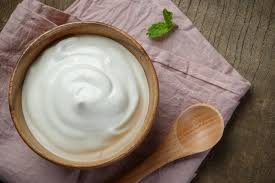
Achieving that perfect, "bakery-style" thick curd (Dahi) at home can be a struggle, especially if the milk you receive is thin or has high water content. Most people believe that only full-cream buffalo milk can produce thick yogurt, but with the right technique, you can transform low-fat or watery milk into a firm, creamy delight.
Here is the ultimate secret to setting thick curd every single time.
The Common Mistake: Why Your Curd Turns Out Watery
The primary reason curd fails to set firmly is excess moisture. When you use thin milk, the protein structure is weak, leading to a runny consistency. Additionally, adding the "active culture" (starter) to milk that is too hot or too cold can prevent the healthy bacteria from working their magic.
The Secret Ingredient: The "Milk Powder" or "Cornflour" Trick
If your milk is exceptionally thin, here are two professional hacks:
Milk Powder Boost: Add two tablespoons of milk powder to the milk while boiling. This increases the solid-to-liquid ratio, providing a richer texture.
The Cornflour Method: Mix a teaspoon of cornflour in a little cold milk and add it to the boiling pot. This acts as a natural thickener without changing the taste.
Step-by-Step Guide to the Perfect Set
Boil and Reduce: Don't just bring the milk to a boil; let it simmer for 5–7 minutes on low flame. This evaporates excess water.
The Temperature Test: Let the milk cool until it is lukewarm. You should be able to dip your little finger in it comfortably for 10 seconds.
Whisk the Starter: Before adding the old curd (starter), whisk it until it’s smooth. Do not dump a cold lump of curd into the milk.
The Frothing Technique: Pour the milk from one vessel to another from a height. This creates froth and aerates the milk, which helps the bacteria thrive.
The Finishing Touch: Use a Clay Pot
For the thickest possible results, set your curd in an earthen or clay pot (Matka). Clay is porous and naturally absorbs excess moisture from the curd, leaving you with a thick, solid mass that can be cut with a knife.
Seasonal Adjustment
In summers, the curd sets in 4–5 hours, while in winters, you may need to wrap the container in a warm cloth (woolens) and keep it in a dark, insulated place like a microwave or a cupboard to maintain the temperature.

_1412932328_100x75.jpg)