
 Ziya
Ziya Share
Share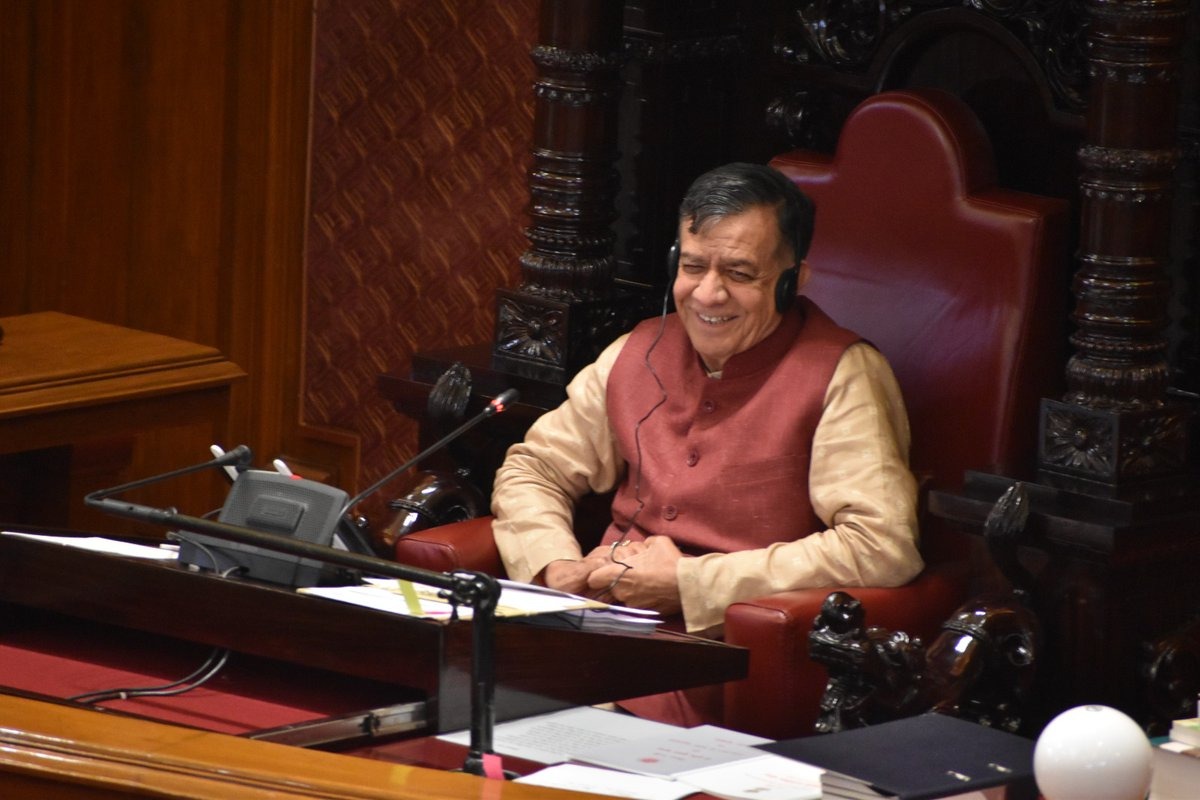
In a rare moment of absolute unity, the treasury and opposition benches of the Uttar Pradesh Legislative Assembly found themselves on the same side of a heated argument this week. On Wednesday, February 18, 2026, Speaker Satish Mahana issued a series of "non-negotiable" instructions to government officials, following widespread complaints that bureaucrats are systematically ignoring the calls and concerns of elected representatives (MLAs).
This isn't just about professional etiquette; for Mahana, it is a battle for the fundamental spirit of the democratic process.
The Trigger: A Frustrated House
The issue reached a boiling point during the ongoing budget session when Leader of Opposition Mata Prasad Pandey alleged that officials have become a law unto themselves.
The Complaint: MLAs from both the BJP and Samajwadi Party (SP) claimed that officials often refuse to take phone calls, and even when they do, the responses are delayed by days or completely dismissed.
The "Badtameez" Admission: In a candid moment, Social Welfare Minister Asim Arun admitted that while many officers are diligent, some are "sust, badtameez aur baiman" (slow, ill-mannered, and dishonest).
The New Rulebook for Officials
Speaker Satish Mahana’s directive is clear and carries the weight of potential disciplinary action:
Mandatory Response: Officials are constitutionally bound to respond to matters raised by public representatives. If an officer is in a meeting, they must return the call at the earliest opportunity.
Respect the Protocol: Any failure to ensure compliance with government orders related to MLAs will be treated as a violation of service rules.
Transparent Tracking: Following suggestions from the house, the government is considering a dedicated phone number or portal where MLAs can report specific officers who fail to respond or show disrespect.
No "Karyapalika" Overpowering: Mahana emphasized that while the Judiciary, Executive (Karyapalika), and Legislature (Vidhayika) have their own domains, the Executive cannot be allowed to overpower the elected voice of the people.
Why This Matters
The friction between "The Babu" (bureaucrat) and "The Neta" (politician) is an old story in UP, but Mahana’s intervention marks a shift toward institutional accountability. As he noted, "Public representatives sit in this House because of the trust of the people. That trust must be protected at all costs."
For the average citizen, this standoff is more than just political theater. When an official ignores an MLA, they are effectively ignoring the thousands of citizens that MLA represents. By tightening the screws on the bureaucracy, the Speaker is attempting to ensure that the "chain of command" in a democracy remains firmly in the hands of those who are answerable to the voters.