Rare Astrological Conjunction: Padmini Ekadashi Replaces Nirjala Ekadashi in Adhikmaas This Year, Know the Timing
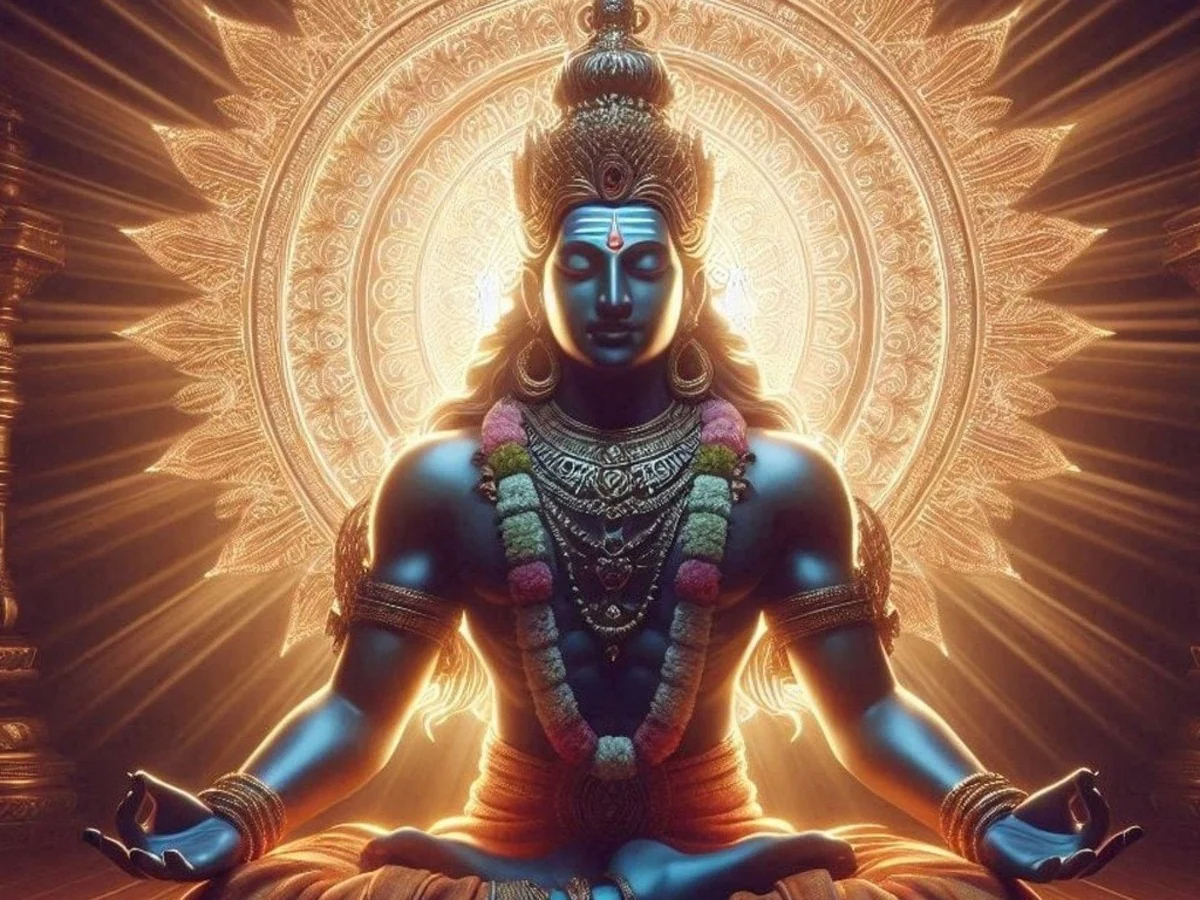
A rare and highly auspicious celestial alignment is set to reshape the traditional Hindu liturgical calendar this year. According to Vedic astrological calculations, the occurrence of Adhikmaas (also known as Malmaas or Purushottam Maas) has altered the cyclical schedule of fasts and festivals. While devotees annually look forward to the rigorous Nirjala Ekadashi during the Jyeshtha month, this year’s structural calendar shift brings the highly rewarding 'Padmini Ekadashi'—a sacred day that arrives only once every three years. Dedicated entirely to Lord Vishnu, this specific lunar day is scripturally revered as the ultimate gateway to spiritual liberation and cosmic blessings.
The Mechanics of Adhikmaas and the Specialty of Padmini Ekadashi According to the Hindu lunisolar calendar, an extra month is intercalated approximately every 32 months and 16 days to align the lunar year with the solar year. This additional period is designated as Adhikmaas or Purushottam Maas, a month single-handedly governed by Lord Vishnu. The Ekadashi falling during the bright fortnight (Shukla Paksha) of this extra month is celebrated as Padmini Ekadashi. Because Adhikmaas manifests only once in a three-year cycle, the opportunity to observe this highly merit-yielding fast returns after a prolonged triennial wait, making it exceptionally unique for spiritual seekers.
Mythological Significance and the Legend of King Kartavirya Arjun Ancient scriptures and Puranas emphasize that observing the Padmini Ekadashi fast bestows unparalleled material prosperity, spiritual growth, and familial harmony upon the practitioner. It is explicitly mentioned in sacred texts that this fast holds the divine potency to bless childless couples with virtuous progeny. Mythological lore highlights that King Kartavirya Arjun the legendary warrior who once managed to capture and imprison the mighty demon king Ravana was born to his mother as a direct result of her rigorous penance and strict adherence to the Padmini Ekadashi vows during Treta Yug. Worshiping Goddess Lakshmi alongside Lord Vishnu on this day is believed to eradicate financial distress permanently.
Essential Rituals and the Step-by-Step Method of Worship Devotees observing the Padmini Ekadashi fast should ideally wake up during the Brahma Muhurta (pre-dawn period), perform ceremonial purification baths, and take a solemn vow (Sankalpa) for the day-long fast. In the sacred altar or prayer room, a clarified butter (ghee) lamp should be lit before the idols or portraits of Lord Vishnu and Goddess Lakshmi. The deities should be ceremonially offered yellow flowers, yellow sandalwood paste, unbroken ritual rice (Akshat), sweets, and strictly fresh Tulsi leaves. Throughout the day, continuous mental chanting of the mantra 'Om Namo Bhagavate Vasudevay' is recommended, followed by the recitation of the Vishnu Sahasranama and the traditional Vrat Katha in the evening. The fast is formally concluded the next day during the designated Dwadashi Muhurta by offering charity to the needy.
Strict Prohibitions: Avoid These Common Mistakes to Protect Your Spiritual Merits Given that this Ekadashi falls within the highly sacred Purushottam Maas, the scriptural guidelines governing it are significantly more stringent than standard lunar fasts. Observers and their household members must absolutely abstain from consuming non-vegetarian food, onions, garlic, and rice on this holy day. Plucking leaves or flowers from trees and plants is strictly forbidden on Ekadashi tithi, as is engaging in malicious gossip, arguments, or abusive language. Maintaining complete celibacy and dedicating the entire duration to spiritual reflection, devotional singing, and meditation are mandatory to reap the complete divine fruits of this rare triennial fast.

_220183450_351x234.jpeg)
_501604793_351x234.jpeg)
_953788937_351x234.jpeg)