Priyanka Tiwari
 Share
Share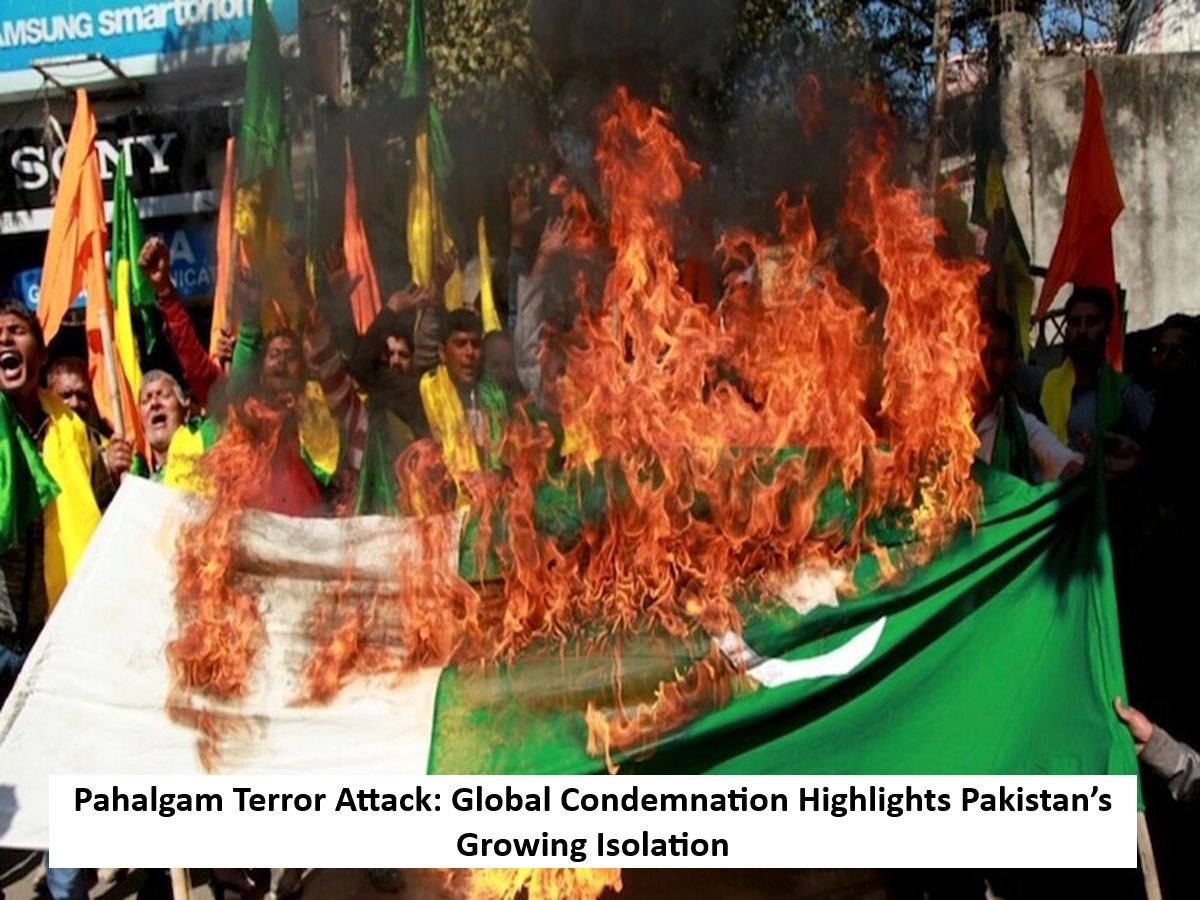
Suspense crime, Digital Desk : The April 22 terrorist strike in Pahalgam, Jammu and Kashmir, which left 26 civilians dead, has sparked widespread condemnation from across the world. Strikingly, even some of Pakistan’s allies like Taliban-rule Afghanistan, Iran, and Turkey have condemned the attack.
More and more sources claim that The Resistance Front (TRF), which is believed to be a proxy of Pakistan’s Lashkar-e-Taiba (LeT), has begun claiming responsibility for the attack. Regardless of international scrutiny, Pakistan has refused to assume responsibility.
Afghanistan Signals Support for India
In what appears to be a diplomatic overture, the Taliban-led Afghanistan government was one of the earliest to condemn the strike even before the Indian delegation headed by Joint Secretary M Anand Prakash reached Kabul. Afghanistan came into the spotlight after the meeting of the Foreign Minister Amir Khan Muttaqi with Indian Minister where both sides intended to further their political and economic cooperation.
Morover, Prime Minister Narendra Modi also issued directives concerning Afghanistan’s need for development aid and condemned Islamabad for allegedly supporting extremism.
Muttaqi appreciated the growing investment of Indian companies and assured Afghanistan is not a threat to any country, clearly targeting India at the height of the regional tension.
Turkey and Iran Join in Condemning the Attack
In a grudgingly issued statement, the Turkish Foreign Ministry specifically referred to the Pahalgam incident as a “terrorist attack” which, unlike in the past, they no longer defers to Kashmir referring instead, calling it a disputed territory. It marks a shift of position for Ankara.
Indian Premier Modi received a phone call from Iranian President Masoud Pezeshkian offering condolences as well. Iran previously condemned the attack for being “inhuman”, highlighting the importance of regional collaboration to counter terrorism.
India Gathers Allies And Global Super Powers In Support Of New Delhi
India’s Ministry of External Affairs (MEA) has actively disseminated additional intelligence, now proving the TRF and LeT connection to the attack. France, Japan, the USA, Japan, and the EU have all stood in support of India.
This form of multilateral support illustrates the growing trust India has on the global scale while showcasing the deepening diplomatic isolation which Pakistan faces.
Pakistan Refuses Responsibility And Ends Up Facing Global Doubt
Pakistan has issued an official statement responding to the accusations by firmly denying them completely. Former Prime Minister Imran Khan using his jail phone at Adiala condemned the deaths as sad, but stated they were “evidence fabricated by the Indian war mongers”. This seems to reflect Islamabad’s famous strategy of blaming others without justification.
Experts, on the other hand, point out that the operational blueprint that TRF so proudly claims as their own is indistinguishable from the actions of LeT and Jaish-e-Mohammed, the latter two openly reside in Pakistan.
What The Diplomatic Shift Indicates
Just like the Pahalgam attack drew the world’s attention globally, so does this shift in South Asian geopolitics. Seeing familiar allies cut their support shows how the world is growing impatient with terrorism that is sponsored and condoned at the state level, or state terrorism.
Pakistan’s current internal challenges like weak political conditions, volatile economy, and soaring inflation puts the country in more of an international isolation. A combination of these factors means that Islamabad is almost guaranteed to face further isolation if counter-terrorism concerns aren’t prioritized.
Read More: Trump’s Shadow Looms Over Tehran: U.S. Issues Sharp Warning to Iran Amid Lebanon Ceasefire