
 Priyanka Tiwari
 Share
Share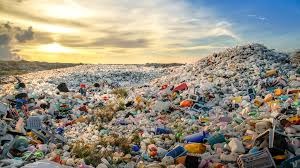
With growing concern over plastic pollution in India, particularly among younger generations, eco-friendly products are in high demand. This shift has pushed companies to highlight sustainability in their branding. However, not all efforts are authentic. Many firms engage in greenwashing, exaggerating or falsifying their environmental impact to attract eco-conscious consumers without taking real action.
India’s Plastic Waste Crisis: Facts and Figures
India generates around 10.2 million tonnes of plastic waste annually, but only 60% is recycled. The remaining waste is either incinerated or sent to landfills, contributing to severe environmental damage. Despite national initiatives like Swachh Bharat Abhiyan and Plastic Waste Management Rules 2022, misleading corporate practices continue to hinder actual progress.
Greenwashing Tactics and Their Harmful Impact
False and Misleading Labels
Products labeled “biodegradable” or “compostable” often lack proper certification.
Many of these materials need industrial conditions to decompose, which are not available in India's waste disposal system.
Inflated Recycling Claims
Some companies claim unrealistic recycling rates.
Data often lacks verification, creating an illusion of sustainability.
Partial Measures and Marketing Gimmicks
Businesses may reduce plastic packaging in one area but continue unsustainable practices elsewhere.
These half-measures give consumers a false sense of progress.
Consequences for India’s Sustainability Goals
India’s environmental policies — like Extended Producer Responsibility (EPR) — aim to create a circular economy. However, greenwashing undermines these goals:
It reduces corporate accountability.
It misleads consumers into believing they are making eco-friendly choices.
It diverts investment from real waste management solutions.
Without strong enforcement, corporate greenwashing weakens public trust and delays genuine change.
Gaps in India’s Plastic Waste Management System
Lack of Independent Audits
Companies often report sustainability metrics without external verification.
Weak auditing enables manipulation of compliance data.
Low Consumer Awareness
Consumers rarely verify environmental claims.
Lack of awareness makes it easier for businesses to continue deceptive practices.
Regulatory Challenges
Authorities lack resources to monitor all producers.
Loopholes in EPR enforcement allow non-compliant companies to avoid penalties.
How Technology Can Help Combat Greenwashing
Blockchain for Transparency
Blockchain systems can track plastic waste from source to disposal.
They provide tamper-proof records, helping regulators verify claims.
AI for Data Verification
Machine learning detects irregularities in recycling and EPR compliance reports.
Tools can flag inflated numbers or missing documentation in real time.
Digital Compliance Dashboards
Automated platforms help producers track EPR credit issuance, recovery rates, and recycler verification.
They simplify sustainability reporting and improve accuracy.
Consumer-Facing Technologies
Mobile apps and QR codes can display verified environmental data for products.
According to PwC’s 2024 Voice of the Consumer Survey, 9.7% of consumers are willing to pay more for genuinely sustainable products.
Policy Recommendations to Prevent Greenwashing
Impose strict penalties for false claims.
Mandate third-party audits for corporate sustainability disclosures.
Ensure transparency in EPR certificate trading.
Educate consumers on identifying valid environmental claims.
By reinforcing its EPR framework with audits, better tech, and public awareness, India can tackle greenwashing and move closer to its environmental goals.
Read More: West Bengal Chief Minister Slams Election Commission Over Gross Irregularities in Electoral Rolls[