Priyanka Tiwari
 Share
Share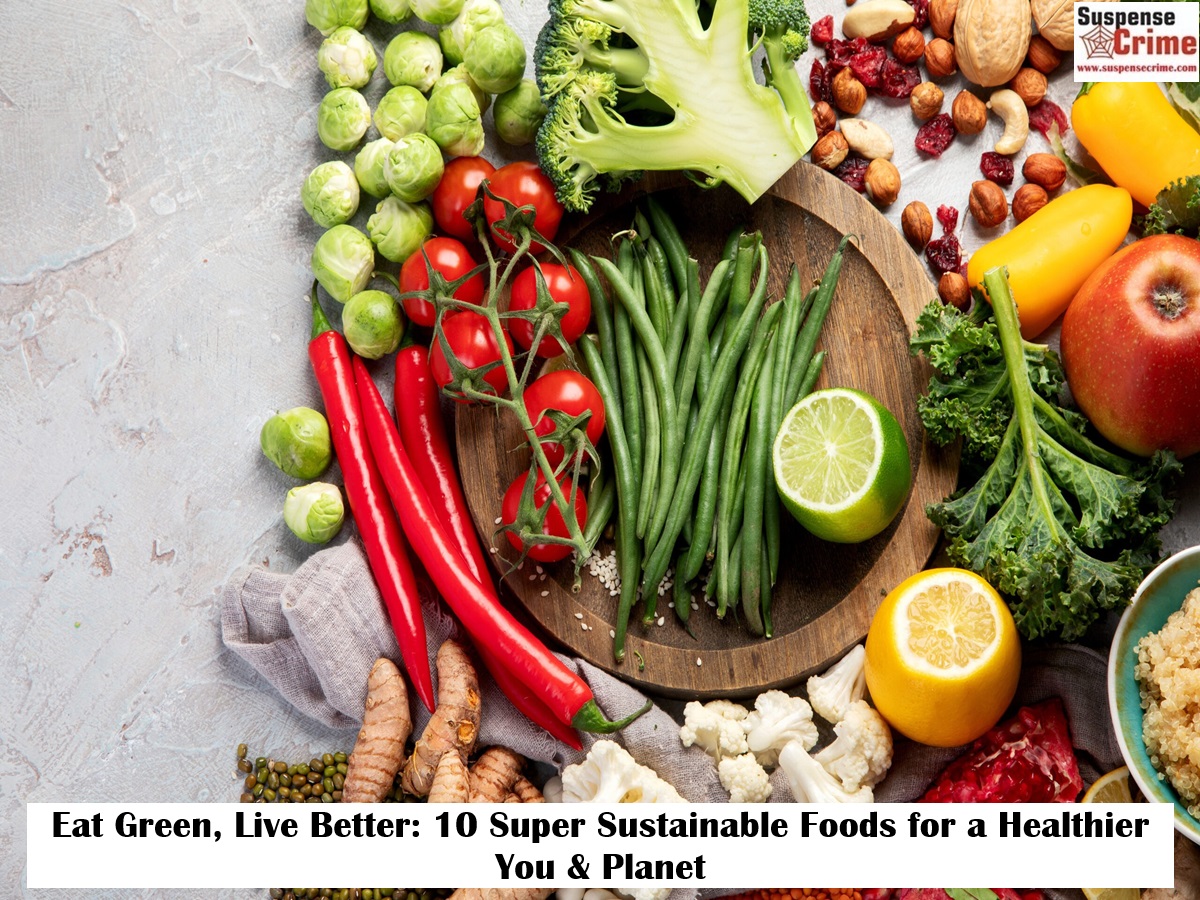
Suspense crime, Digital Desk : As we mark World Environment Day, it's a great time to think about how our daily choices impact the Earth. One of the most powerful ways we can make a difference is through the food we eat. Opting for sustainable foods not only helps protect our planet by reducing carbon emissions, water usage, and land degradation, but it also significantly boosts our own health. These "eco-smart" foods are packed with nutrients and often require fewer resources to grow.
Here are 10 fantastic sustainable food choices that are as good for you as they are for the environment:
- Lentils (especially Red Lentils - Masoor Dal):
These humble legumes are protein and fiber powerhouses. They have a very low carbon footprint compared to animal proteins and enrich the soil they grow in by fixing nitrogen, reducing the need for fertilizers. - Mushrooms:
A great source of B vitamins and Vitamin D, mushrooms can be grown vertically with minimal space, water, and energy. They are a versatile and eco-friendly addition to many dishes. - Quinoa:
This ancient grain is a complete protein, meaning it contains all nine essential amino acids. Quinoa is incredibly hardy, drought-tolerant, and can grow in poor soil conditions where other crops might fail, making it a resilient food source. - Tofu (and other Soy Products):
As a plant-based protein derived from soybeans, tofu requires significantly less land and water, and produces fewer greenhouse gas emissions compared to meat production. It's a fantastic meat substitute. - Peanuts:
These popular legumes are rich in protein and healthy fats. Like other legumes, peanuts are nitrogen-fixers, improving soil fertility and reducing the need for synthetic fertilizers. - Amaranth (Chaulai):
Another ancient grain (technically a pseudocereal), amaranth is packed with protein, iron, and calcium. It's highly adaptable, drought-resistant, and thrives in various climates, making it a sustainable crop. - Millets (like Bajra - Pearl Millet):
Millets are a group of highly nutritious and drought-resistant cereal grains. They require minimal water and inputs to grow, making them incredibly climate-resilient and a sustainable staple for many communities. - Walnuts:
Rich in Omega-3 fatty acids, antioxidants, and protein, walnuts grow on trees that contribute to carbon sequestration and support biodiversity. Choosing nuts like walnuts is a healthy and eco-conscious snack option. - Black Beans:
Like lentils and peanuts, black beans are an excellent source of plant-based protein and fiber. They also contribute to soil health by fixing nitrogen, making them a win for sustainable agriculture. - Spinach (and other Leafy Greens):
Spinach is nutrient-dense, offering vitamins A, C, K, and iron. Leafy greens generally have a lower environmental impact as they grow relatively quickly and can be cultivated in diverse systems, including local and small-scale farms.
Making conscious food choices by incorporating more of these sustainable options into your diet is a simple yet impactful way to contribute to a healthier planet and a healthier you. Every green bite counts!