
 Priyanka Tiwari
 Share
Share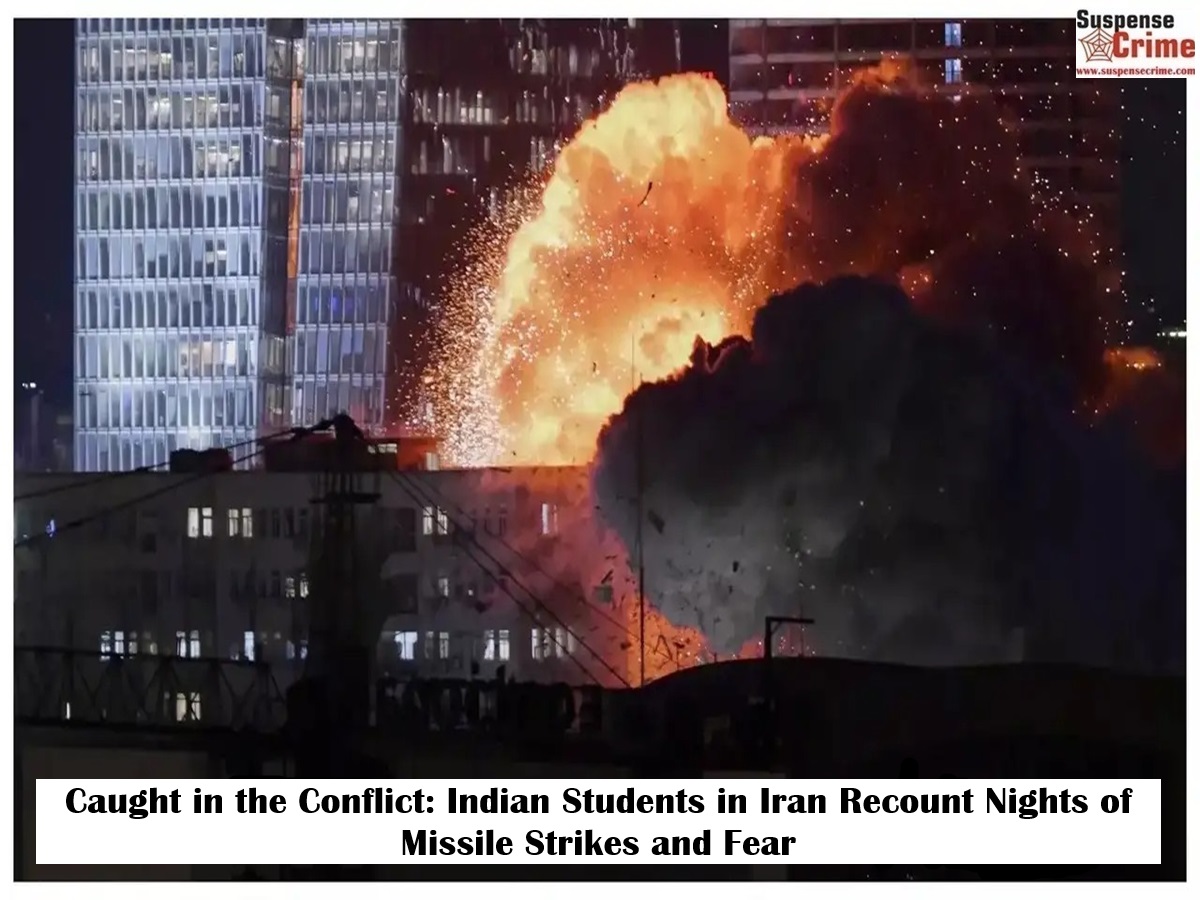
Suspense crime, Digital Desk : For hundreds of Indian students pursuing their education in Iran, the abstract reality of geopolitical tensions became terrifyingly real as they were jolted from their studies by the sounds of screaming sirens and the thud of explosions. Caught in the middle of the recent military exchange between Iran and Israel, these students have shared harrowing accounts of the fear and panic that engulfed cities like Tehran.
What began as a normal day quickly descended into chaos. Students described seeing streaks of light—missiles and drones—arcing across the night sky. Glued to news reports and social media, they watched in horror as the conflict they had only read about unfolded directly over their heads.
The fear was not confined to the moments of the attacks. In the days that followed, a palpable wave of panic swept through the population. Students reported seeing long, snaking queues at petrol stations and grocery stores as citizens, fearing a wider war, rushed to stock up on essentials. The atmosphere was thick with uncertainty, turning bustling urban centers into nerve-wracked communities bracing for the next development.
Warmly welcomed home the first group of 110 Indian nationals evacuated from Iran as part of #OperationSindhu, reaffirming India’s steadfast commitment to the safety and well-being of its citizens abroad.@MEAIndia @PMOIndia pic.twitter.com/FfDGkW21HK
— Kirti Vardhan Singh (@KVSinghMPGonda) June 19, 2025
Amid the chaos, their first instinct was to contact frantic family members back in India to assure them of their safety. The Indian Embassy in Tehran swiftly issued advisories, urging all Indian nationals to exercise extreme caution, restrict their movements, and stay in touch with the embassy. Helplines were activated, providing a crucial, albeit distant, lifeline for the scared students.
While the direct military volleys have since subsided, a deep sense of unease remains. The Indian students, who came to Iran seeking knowledge and opportunity, now find themselves living in a state of heightened alert, their academic pursuits overshadowed by the grim possibility of a full-blown regional conflict.
Read More: Assam Elections 2026: Akhilesh Yadav Slams Himanta Biswa Sarma Over ‘Beef Statement’ Controversy