
 Priyanka Tiwari
 Share
Share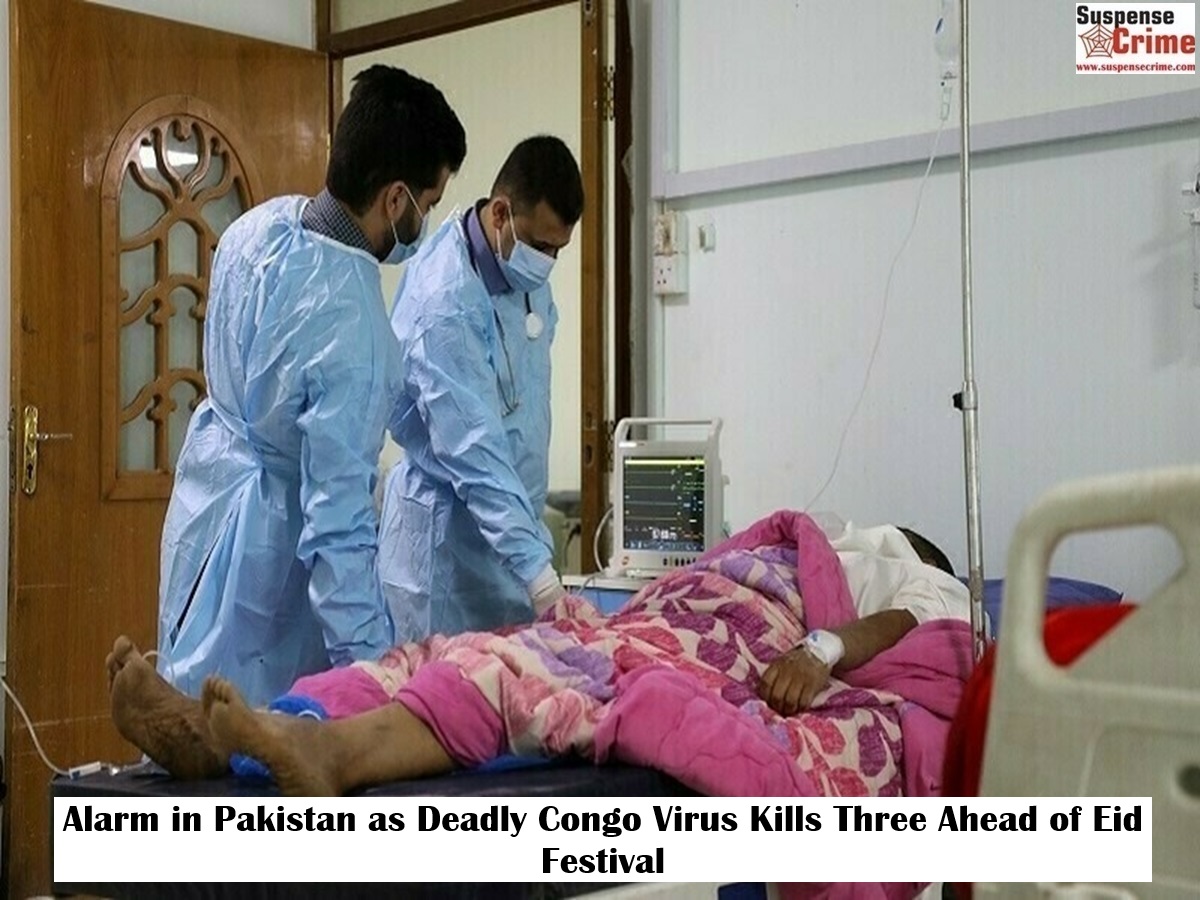
Suspense crime, Digital Desk : Health authorities in Pakistan are on high alert following the deaths of three people from Crimean-Congo Hemorrhagic Fever (CCHF), a dangerous and highly fatal tick-borne illness. The deaths occurred in Quetta, the capital of the southwestern Balochistan province, sparking fears of a wider outbreak as the country prepares for the major religious festival of Eid-ul-Adha.
The victims, identified as two men and a woman, were all cattle farmers, a group considered at high risk for contracting the virus. CCHF is primarily transmitted to humans through tick bites or by direct contact with the blood or tissues of infected livestock such as cattle, goats, and sheep.
The timing of this outbreak is particularly alarming. The upcoming Eid-ul-Adha festival involves the widespread purchase, transport, and sacrifice of animals across the country. This surge in human-animal interaction significantly increases the risk of the virus spreading from infected livestock to the general population, including butchers, farm workers, and families handling the meat.
What is Congo Virus?
Crimean-Congo Hemorrhagic Fever is a severe viral disease with a high fatality rate of up to 40%. Initial symptoms can be sudden and flu-like, including fever, muscle aches, dizziness, neck pain, backache, and headache. As the illness progresses, it can cause severe bruising, nosebleeds, and uncontrolled bleeding from other parts of thebody. Human-to-human transmission is also possible through close contact with the blood, secretions, or other bodily fluids of an infected person.
In response to the deaths, health officials in Balochistan have issued a formal alert, urging extreme caution. They are advising those who work closely with animals—such as veterinarians, slaughterhouse workers, and farmers—to take strict preventive measures.
Key Safety Recommendations Include:
- Wearing protective clothing, including long sleeves and long pants.
- Using approved insect repellents on skin and clothing.
- Wearing gloves and other protective gear when handling animals or their tissues.
- Thoroughly checking clothing and skin for ticks after contact with livestock.
The public is being urged to remain vigilant to prevent a larger public health crisis during the festive period.
Read More: Trump’s Shadow Looms Over Tehran: U.S. Issues Sharp Warning to Iran Amid Lebanon Ceasefire