Ziya
Ziya Share
Share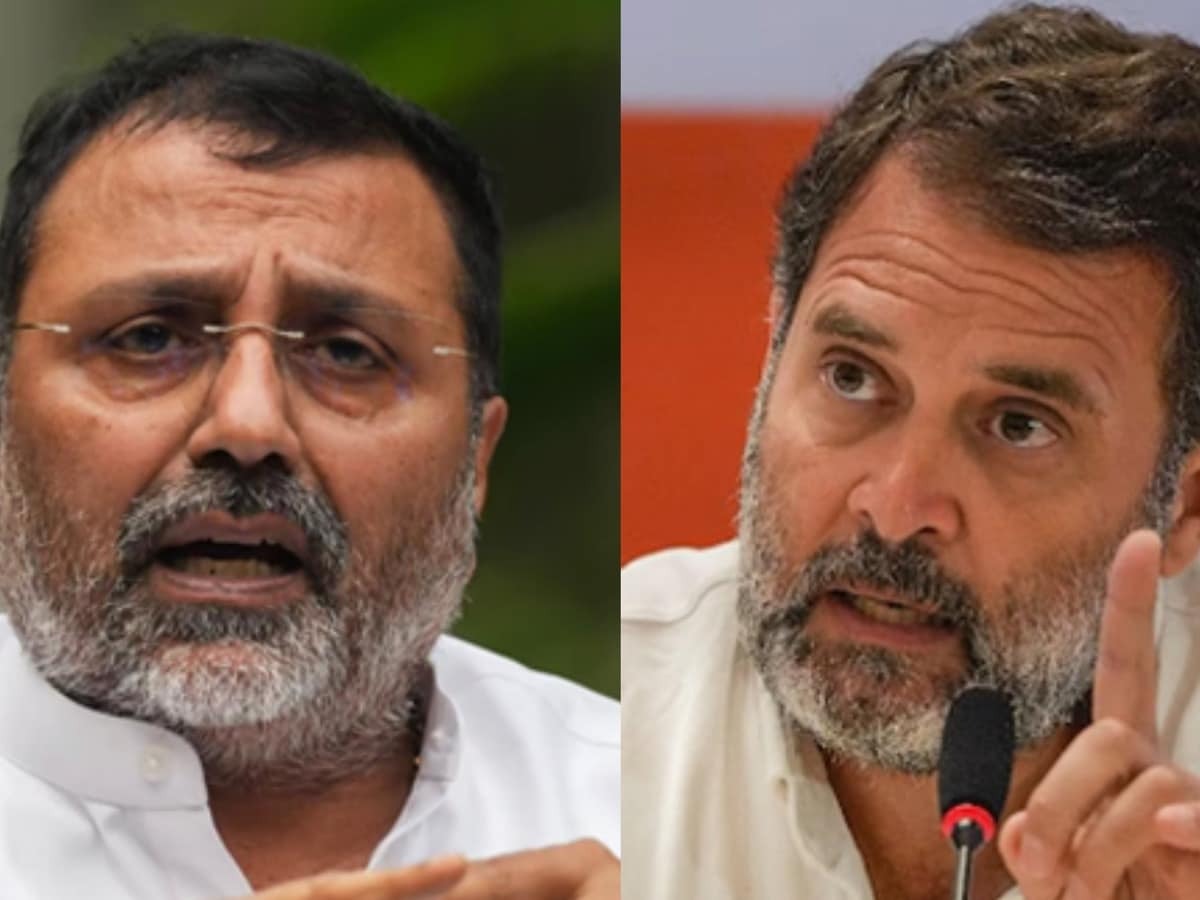
The political temperature in the Lok Sabha reached a boiling point recently when BJP MP Nishikant Dubey launched a blistering attack on Congress leader Rahul Gandhi. During a heated session, Dubey didn’t mince words, labeling the Leader of the Opposition as an “Urban Naxal” a term that has sparked a massive controversy and led to an uproar in the Parliament.
The Spark: What Triggered the Outburst?
The drama unfolded during a discussion on the Union Budget and national security issues. Nishikant Dubey, known for his aggressive debating style, accused Rahul Gandhi of siding with forces that aim to destabilize India from within. He claimed that Gandhi's recent statements and foreign visits align with a specific ideology that the ruling party often describes as "Urban Naxalism."
Dubey’s remarks weren't just a passing comment; they were a calculated strike. He argued that the Congress leader’s rhetoric regarding caste census and his critiques of Indian institutions are designed to create "chaos and division" in society, much like the tactics used by extremist elements in urban areas.
The Aftermath: Chaos in the House
As soon as the words "Urban Naxal" were uttered, the Opposition benches erupted in protest. Congress leaders were seen rushing to the well of the House, demanding that the remarks be expunged from the record. They called the statement a "cheap political stunt" and an insult to the democratic mandate held by Rahul Gandhi.
The Speaker had a tough time maintaining order as slogans were shouted from both sides. While the BJP stood firmly behind Dubey, the Congress party accused the government of using "diversionary tactics" to avoid answering real questions about unemployment and inflation.
Why This Term Matters
The phrase "Urban Naxal" is highly polarized in Indian politics. For the BJP, it represents individuals who they believe provide intellectual and logistical support to anti-national movements while living in cities. For the Opposition, it is a tool used to "label and silence" anyone who disagrees with the current administration.
By bringing this terminology into the Lok Sabha, the political divide in India has deepened further. It’s no longer just about policy disagreements; it’s about the very identity and intent of the leaders representing the people.
What’s Next?
While the Speaker has promised to look into the unparliamentary nature of the comments, the fire has already spread to social media. With both parties refusing to back down, this verbal spat is likely to set the tone for the upcoming sessions and the next round of state elections.