


Iran Parliament Speaker Mohammad Bagher Ghalibaf Issues Severe Warning to US: 'Responses Will Be More Painful Than Ever'
_1848121326.jpg)
Amid escalating military hostilities between Tehran and Washington, Iranian Parliament Speaker Mohammad Bagher Ghalibaf has issued a stern, uncompromising warning to the United States. Following aggressive US strikes targeting Iranian oil tankers, Ghalibaf declared that the strategic rules of engagement have fundamentally changed, cautioning that any future aggression against Iranian national interests or sovereignty will be met with immediate, overwhelming, and unprecedented retaliation.
Escalating Maritime Conflict and Tanker Strikes in the Persian Gulf
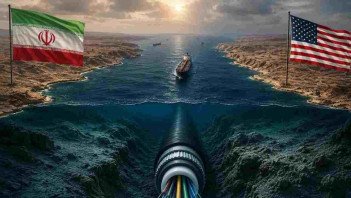
The high-stakes diplomatic and military standoff intensified after United States Central Command confirmed that US military forces launched targeted strikes against three Iranian oil tankers near Kharg Island, Jask, and the Gulf of Oman. The American action came in response to reported Iranian ballistic missile fire directed at US Navy warships. In direct retaliation, Iran's Islamic Revolutionary Guard Corps (IRGC) claimed it unleashed multiple ballistic missiles at a US aircraft carrier and a destroyer participating in a regional naval blockade, successfully forcing the warships to withdraw from the immediate conflict zone.
Economic Warfare Headquarters and Strait of Hormuz Energy Concerns
Beyond the active military front, Tehran is aggressively restructuring its domestic administration to withstand mounting external pressures. Iranian Economic Affairs Minister Ali Madanizadeh announced the establishment of a specialized 'Economic War Headquarters' designed to counter US economic sanctions and war-related financial shocks through structural reforms. Meanwhile, Oil Minister Mohsen Paknejad revealed that critical infrastructure on Kharg Island has weathered approximately 550 attacks over recent months. As maritime tensions threaten global energy corridors, US Energy Secretary Chris Wright sought to calm jittery markets, noting that an average of nine million barrels of oil continue to flow daily through the vital Strait of Hormuz to alleviate energy price pressures.
_1623870863_351x234.jpg)




_942977735_351x234.jpg)