Priyanka Tiwari
 Share
Share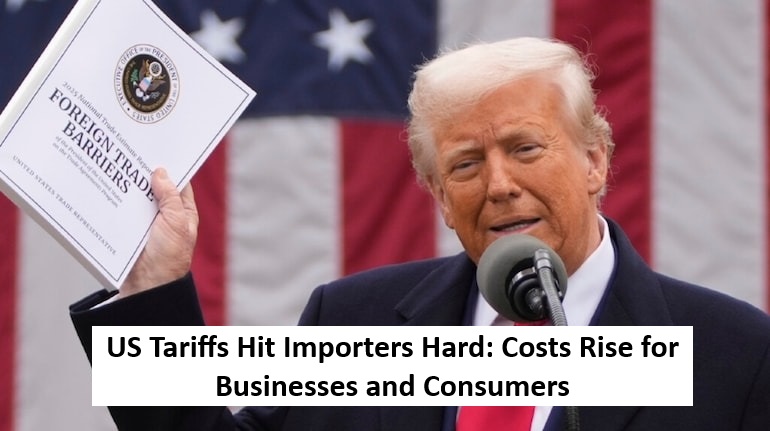
With the latest round of reciprocal tariffs now in force, U.S. importers are directly facing the financial consequences. Despite political framing, the tariffs are paid by American firms—not the countries exporting the goods—according to a report from the Wall Street Journal.
How Tariffs Are Applied
Tariffs aren’t paid at ports like tolls. Instead, importers must complete documentation with U.S. Customs and Border Protection and make payments based on item value, origin, and material. Typically, licensed customs brokers handle these payments within 10 to 30 days of import.
Stacked Tariffs Increase Costs
Some tariffs implemented on April 9 target goods from countries such as China, Vietnam, and Colombia. Many of these duties layer over older tariffs from prior trade actions. For example, Chinese goods may face multiple overlapping charges depending on classification.
Navigating Compliance Complexity
As tariff rules grow more intricate, customs brokers must manage increasingly complex assessments. For instance, patio furniture with aluminum components may be taxed differently than furniture made with steel, based on trade coding.
Shipment Timing Matters
Tariff exemptions exist for shipments that left foreign ports before 12:01 a.m. on April 9. This has prompted many firms to expedite cargo movement in hopes of avoiding additional costs.
Unprepared Importers Face Delays
Businesses new to tariffs often lack the systems to handle compliance and timely payments. Companies without U.S. banking infrastructure rely on brokers, which adds both delays and administrative expenses. For many, these tariffs were unexpected and are now putting pressure on operational budgets.
Costs Passed to Consumers
Although importers pay first, many businesses are raising retail prices to recover the costs. Shoppers can expect to see increased prices on furniture, clothing, and electronics. U.S. manufacturers using imported materials will also see a rise in production costs.
Enhanced Customs Oversight
U.S. Customs performs audits on selected shipments to ensure accurate payment. Mistakes, even with automated systems, can trigger penalties—adding more risk for importers.
Tariffs Aim for Fair Trade, But U.S. Businesses Pay Now
While intended to balance international trade, the new tariffs are currently hitting U.S. businesses the hardest. As companies adapt to new cost structures, price increases and economic disruption remain likely in the short term.
Read More: Trump’s Shadow Looms Over Tehran: U.S. Issues Sharp Warning to Iran Amid Lebanon Ceasefire