

 Ziya
Ziya Share
Share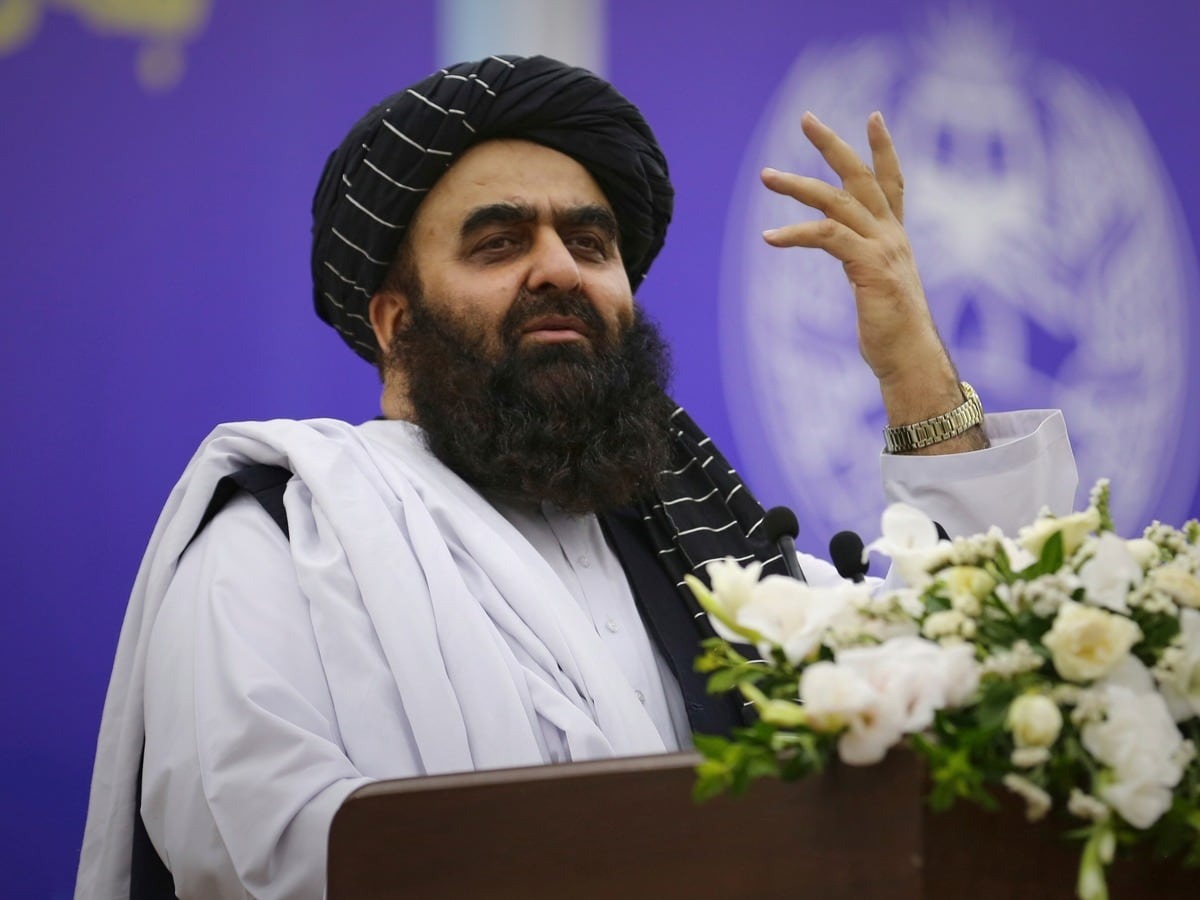
In what is being seen as a major diplomatic step, Afghanistan's acting Foreign Minister, Amir Khan Muttaqi, is scheduled to visit India next week. This marks the first high-level visit from a Taliban official to New Delhi since the group took control of Kabul in August 2021, signaling a potential new phase in a complicated relationship.
The landmark visit, expected to begin around October 10th, was made possible after the United Nations Security Council's sanctions committee granted Muttaqi an exemption to a travel ban. An earlier attempt to organize a visit last month was called off because he couldn't secure the necessary waiver. The successful approval this time, allowing travel between October 9 and 16, opens the door for direct, face-to-face dialogue.
For over four years, India has walked a diplomatic tightrope with Afghanistan. While it does not formally recognize the Taliban government, New Delhi has kept lines of communication open. India has maintained a "technical team" at its embassy in Kabul and has been a significant provider of humanitarian aid, sending shipments of wheat, medical supplies, and other emergency relief.
This visit doesn't come out of the blue. It builds on a series of cautious engagements. In May of this year, India's External Affairs Minister S. Jaishankar had a phone conversation with Muttaqi, which was the highest-level contact at the time. Before that, senior diplomats from both sides had met to discuss developmental needs and cooperation.
The agenda for the upcoming talks is expected to be wide-ranging. For the Taliban, the visit is a significant step in its ongoing quest for greater international acceptance and legitimacy. They are likely to push for the formal reopening of the Afghan embassy in New Delhi with their own diplomats and discuss ways to boost trade and ease travel for Afghan students and patients seeking medical care in India.
From India's perspective, the engagement is driven by hard-nosed strategic realities. A key priority is ensuring that Afghanistan does not become a safe haven for terrorist groups that could target India. New Delhi also has a vested interest in protecting its past investments, which amount to over $3 billion in Afghan infrastructure and development projects, including the Afghan Parliament building and the Salma Dam.
Furthermore, the changing dynamics in the region, particularly the strained relationship between the Taliban and Pakistan, create a diplomatic opening for India to regain some influence in Afghanistan.
Despite this move toward greater engagement, significant challenges remain. India, along with the international community, continues to have serious concerns about the restrictions on women's rights and the lack of an inclusive government in Kabul. These issues will undoubtedly form a complex backdrop to the discussions.
Muttaqi's trip, which will also include a stop in Moscow for talks before his arrival in India, will be watched closely by regional and global powers. It represents a pragmatic shift for New Delhi, moving beyond a wait-and-see approach to a more direct, working relationship aimed at safeguarding its interests while navigating the complexities of the new reality in Afghanistan.


_132300150_100x75.jpg)
_430488585_100x75.jpg)
_1333714631_100x75.jpg)
_58079313_100x75.jpg)