Saudi Arabia Big Decision: US-Iran Conflict Shakes Middle East Economy, Riyadh Halts New Contracts
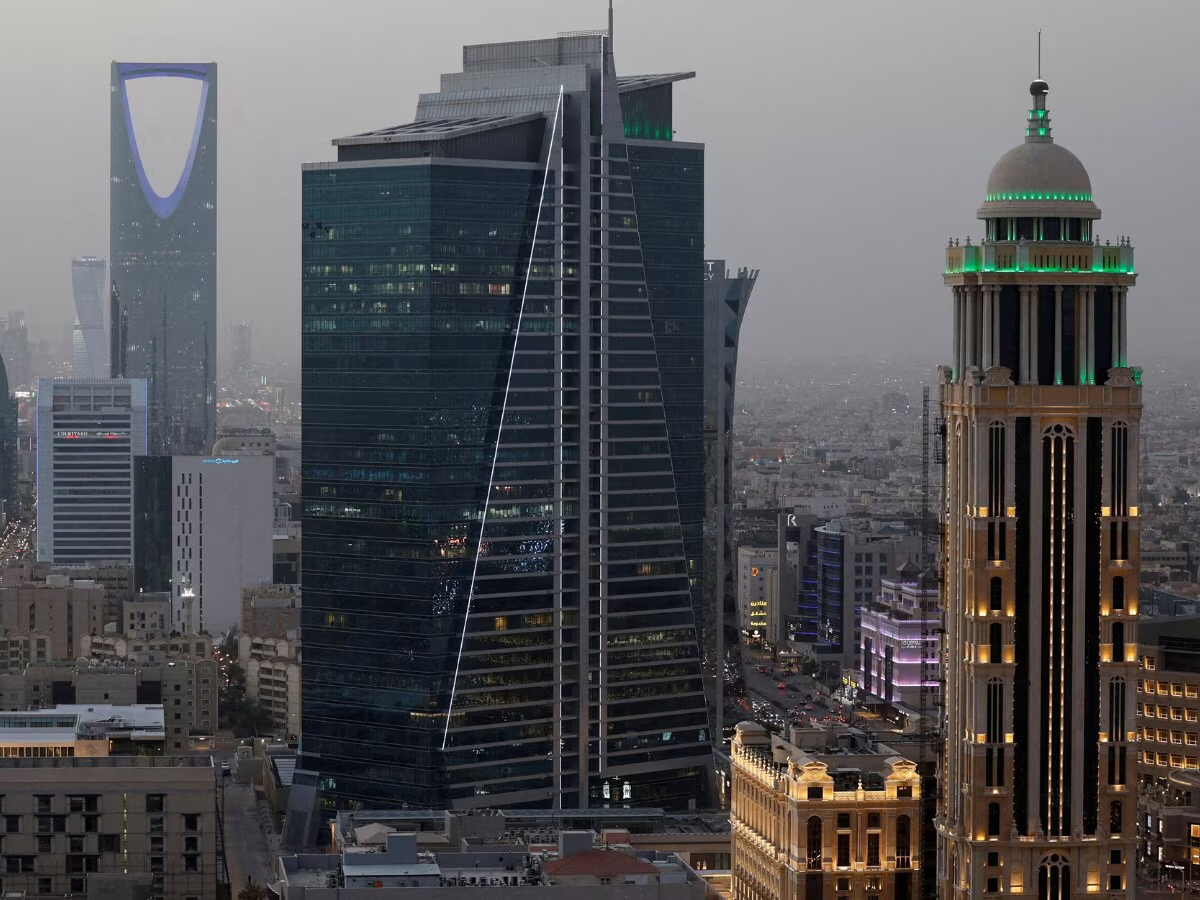
The ongoing geopolitical storm in West Asia has sent shockwaves through global markets, prompting Saudi Arabia to take a major defensive step. Amidst heightened regional tensions arising from the US-Iran conflict, Riyadh has ordered a temporary suspension on awarding new contracts to major Western consulting firms. In a bid to safeguard its state treasury and manage a rising budget deficit, the Kingdom has also put a temporary hold on several existing payments, marking a significant shift in its public spending strategy.
Geopolitical Escalation Impacts Global Trade and Energy Routes
The conflict, which intensified following disruptions in the region, has heavily impacted crucial shipping routes through the Strait of Hormuz. With the strategic maritime passage experiencing severe blockades, global supply chains have faced intense pressure, leading to volatile energy prices and commodity shortages worldwide. While Saudi Arabia has successfully minimized immediate export disruptions by redirecting a significant portion of its crude oil traffic from the Persian Gulf to its Red Sea ports, the broader economic fallout has forced the government to reassess its immediate financial priorities.
Tightening Public Coffers and the Vision 2030 Calibration
For the past decade, Saudi Arabia has been a goldmine for international management consultancies, strategy advisers, and top-tier law firms. These external experts have played central roles in shaping the country's ambitious Vision 2030 program—a massive economic transformation initiative led by Crown Prince Mohammed bin Salman to diversify the economy away from crude oil. However, the current regional security environment has compelled Riyadh to enforce stricter fiscal discipline. Government ministries and state-backed entities, including the multi-billion-dollar sovereign wealth fund, the Public Investment Fund (PIF), have received directives to freeze new engagements and delay certain consultancy invoice clearances until the end of the second quarter.
Strategic Pivot Towards Defense and Infrastructure Resilience
Industry executives working within the Kingdom report that while ongoing critical projects continue to move forward, the approval of fresh corporate advisories has been paused unless granted exceptional clearance from the Ministry of Finance. This cautious approach allows Riyadh to build fiscal buffers, especially as the nation anticipates an increase in national defense spending and infrastructure reinforcement along the Red Sea coast. In response to the developments, official statements from the Saudi Finance Ministry emphasized that the government continuously evaluates its investments to ensure that all procurement, including professional consultancy services, yields optimal returns aligned with national strategic objectives.