










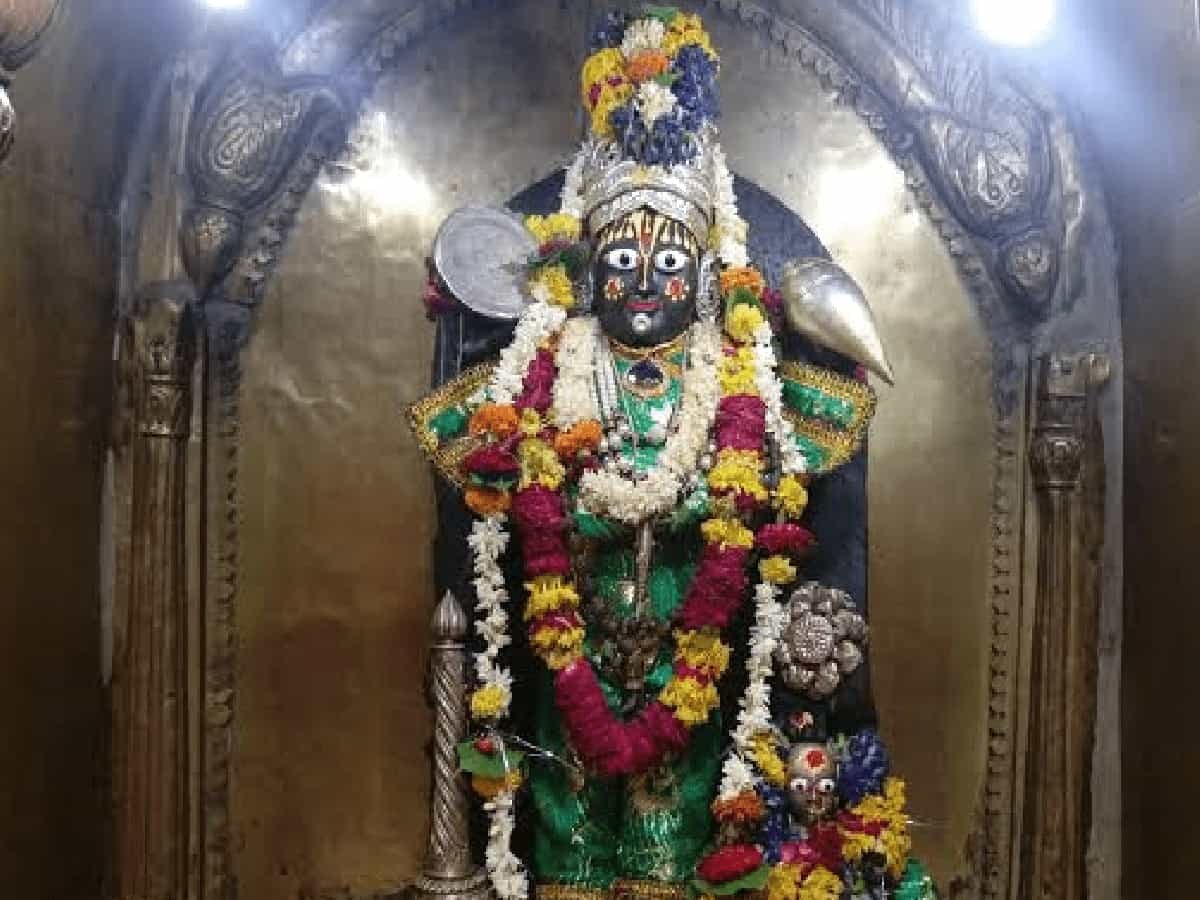
Why Lord Vishnu Resides in Kashi: Bindu Madhava Temple Mystery
Even though Kashi (Varanasi) is celebrated across India as the sacred city of Lord Shiva, devotion to Lord Vishnu runs deep along its ghats and lanes—most notably at the Bindu Madhava Temple in the Ghasi Tola area near Panchganga Ghat. Observed on Vaikuntha Chaturdashi (Monday, November 23, 2026), which falls on the Chaturdashi tithi of the Shukla Paksha (waxing fortnight) in the month of Kartik, the occasion honors the spiritual harmony of Hari and Har (Vishnu and Shiva). For pilgrims, temple-goers, and cultural readers across Uttar Pradesh—including families and devotees in Unnao, Kanpur, Lucknow, Prayagraj, and Varanasi—the sanctuary offers a striking glimpse into how Vaishnava and Shaiva traditions intertwine in Kashi.
Legends Behind Bindu Madhava and Panchganga Ghat
Traditions associated with the temple—counted among the sacred Pancha Madhava shrines—link its name and sanctity to ancient penance near Panchganga Ghat. According to one well-known account, the sage Agnibindu (also referenced as Agni Bindu) meditated on Lord Vishnu at the Panchananda sacred site and sought a boon for the Lord to dwell there so seekers could attain spiritual liberation (moksha); pleased by his devotion, Lord Vishnu promised to remain at Panchganga alongside a shrine bearing the sage's name, giving rise to Bindu Madhava ("Lord of the Drop").
Another local tradition recalls Bindu Rishi performing austerity along the Gandaki River in Nepal and receiving a divine mandate to enshrine Lord Vishnu in Kashi using sacred stone or soil associated with the Gandaki. Inside the shrine today, devotees worship a Shaligram form of Vishnu accompanied by Garuda and Hanuman, while Kartik brings evening lamp offerings (deepdan) and scripture recitations.
Why Kashi's Bindu Madhava Holds Unique Scriptural Significance
In Sanatan Dharma lore and texts such as the Kashi Khanda, the Bindu Madhava temple is regarded as roughly a thousand years old in its historical lineage and forms a vital anchor of Vaishnava worship in a city famed for Shaivism. Scriptural traditions describe how Lord Vishnu granted Kashi to Lord Shiva, while sacred geography distinguishes between Vishnu Kashi (often associated with the stretch toward Adikeshava Ghat near Manikarnika Ghat) and Shiva Kashi (extending from Manikarnika Ghat toward Assi Ghat).
Devotees also hold deep faith in bathing at Panchganga Ghat and offering prayers during Kartik, believing sincere devotion and purification along the sacred riverbanks help free seekers from the cycle of birth and rebirth (samsara) and lead toward Vaikuntha Dham.
Kartik Celebrations and Rituals at Bindu Madhava Temple
Throughout the month of Kartik (spanning October into November), the temple becomes a hub of early-morning and festive observances. Devotees gather for Mangala Aarti at 4:00 AM, take ritual dips at Panchganga Ghat around Brahma Muhurta before sunrise and after dusk, and offer lamps as a mark of devotion.
Following Tulsi Vivah, seasonal festivities continue across key lunar dates—including a ceremonial procession with the deity on Dwadashi, Jhoolan Seva on Trayodashi, Vaikuntha Abhisheka at night, an afternoon procession on Kartik Purnima (full moon), and Panchamrit Abhisheka followed by Chhappan Bhog (56 offerings)—making Vaikuntha Chaturdashi a highlight of Kashi's Kartik calendar.






