










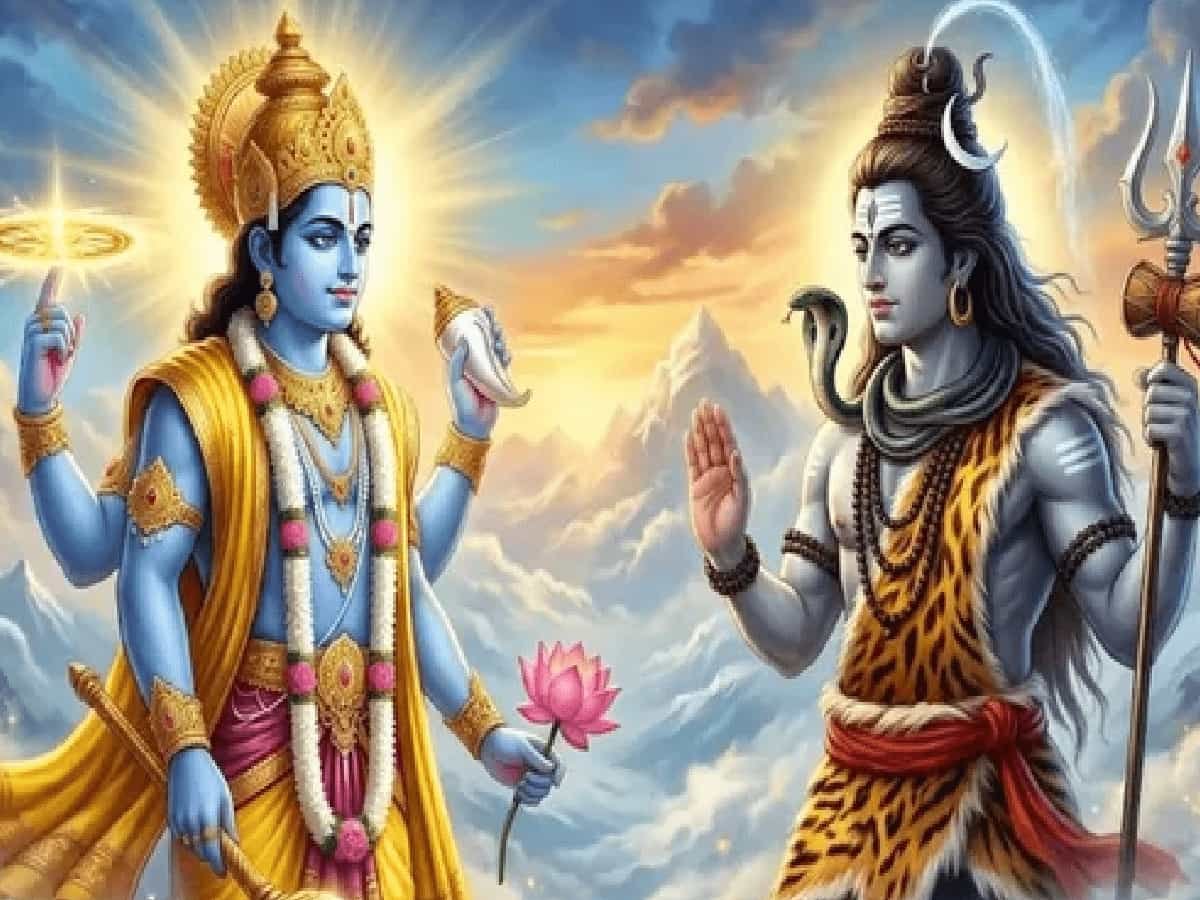
How Lord Vishnu Won the Sudarshan Chakra on Vaikuntha Chaturdashi
Devotees across India are observing Vaikuntha Chaturdashi on Monday, November 23, 2026, falling on the Chaturdashi tithi of the Shukla Paksha (waxing lunar phase) in the Hindu month of Kartik—a sacred occasion dedicated to the joint worship of Lord Vishnu (Hari) and Lord Shiva (Har) as guardians of cosmic order. Across major pilgrimage centers and temples—including Kashi Vishwanath in Varanasi and Mahakaleshwar in Ujjain—special prayers mark the day, while tradition holds that fasting and night vigil (jagran) on Vaikuntha Chaturdashi cleanse past misdeeds and open the path to Vaikuntha Dham. For devotees and spiritual readers across northern India—including families and temple-goers in Uttar Pradesh cities such as Unnao, Kanpur, Lucknow, Prayagraj, and Varanasi—the festival also recalls the celebrated Puranic narrative of how Lord Vishnu obtained the Sudarshan Chakra from Lord Shiva.
Why Lord Vishnu Sought a Divine Weapon to Uphold Dharma
According to Hindu tradition, an era arose in ancient times when demonic forces grew unchecked, disrupting spiritual practice for sages and devatas and sending waves of turmoil across both the earthly realm and the heavens. Charged with upholding Dharma (righteousness and cosmic balance) and curbing Adharma, Lord Vishnu recognized the need for an invincible celestial instrument capable of overcoming formidable threats.
Seeking a weapon of supreme power, Lord Vishnu turned in deep austerity and devotion to Lord Shiva, revered in scripture as the source of potent divine armaments and cosmic transformation.
The Lotus Test and the Resolve to Offer One Eye
As recounted in Chapter 34 of the Kotirudra Samhita in the Shiva Purana, Lord Vishnu performed an elaborate ritual worship of Lord Shiva using one thousand lotus flowers, offering one blossom with each sacred chant. To test the depth of Vishnu's resolve and single-minded surrender, Lord Shiva secretly hid one lotus flower.
When Vishnu reached the end of the offering and found a single lotus missing, he did not falter or break his vow. Because his own eyes were traditionally compared to lotus blossoms (Kamalanayana / Pundarikaksha), Vishnu resolved to pluck out one of his eyes to complete the sacred count of one thousand offerings before Mahadev. Deeply moved by such unshakeable devotion, Lord Shiva intervened, restored his eye, and bestowed the radiant Sudarshan Chakra upon him.
Symbolism and Power of the Sudarshan Chakra
In Hindu mythology and iconography, the Sudarshan Chakra stands as Lord Vishnu's foremost, unfailing discus—a symbol of cosmic law, vigilance, and the triumph of righteousness over unrighteousness. Spinning with divine energy to restore balance whenever destructive forces threaten harmony, it embodies both protective grace for those walking the path of Dharma and decisive justice against tyranny.
As devotees observe Vaikuntha Chaturdashi on November 23, 2026, the legend of Hari and Har continues to resonate as a story of unwavering faith, self-surrender, and the enduring bond between two central pillars of Hindu devotion.






