










Vaikuntha Chaturdashi: Unique Rituals From Kashi to Ujjain & Nashik
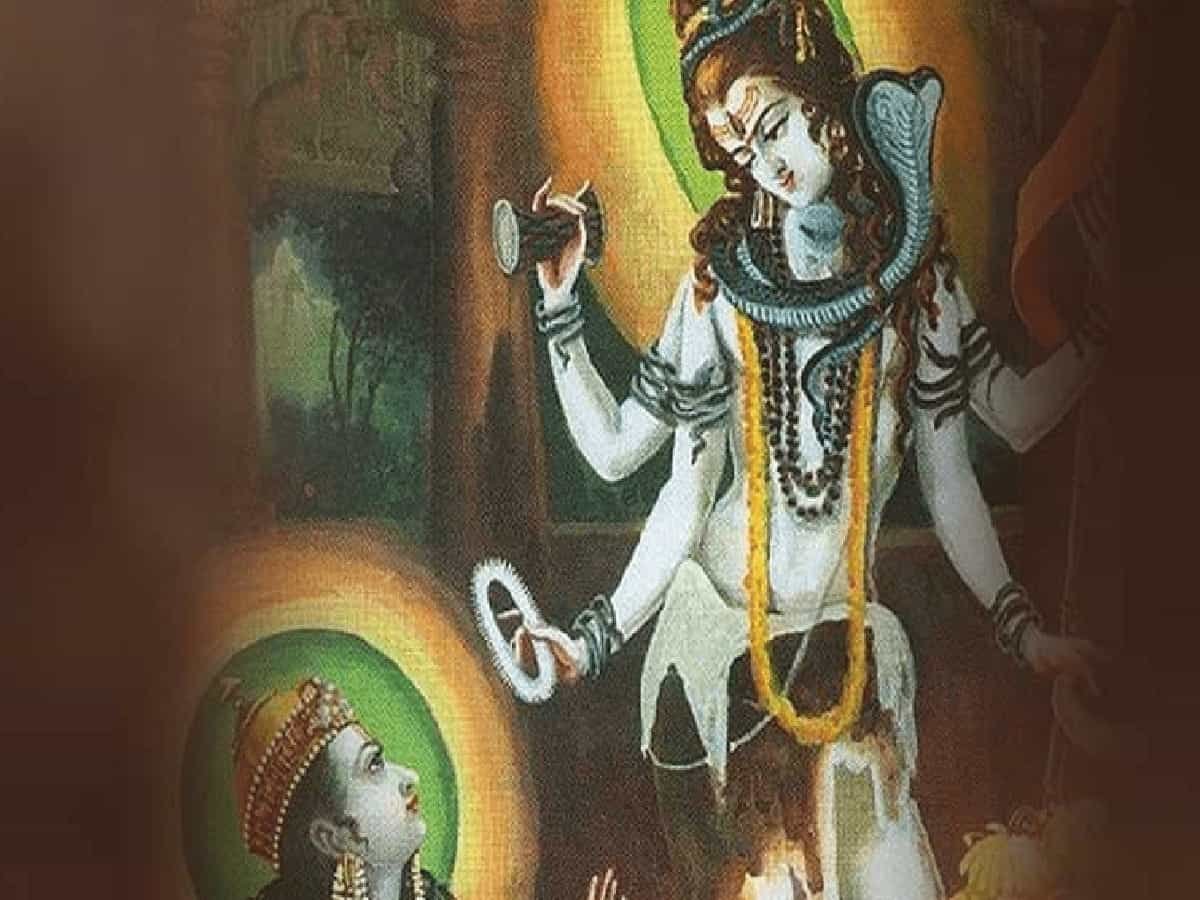
When Vaikuntha Chaturdashi arrives on Monday, November 23, 2026—falling on the Chaturdashi tithi of the Shukla Paksha (waxing lunar phase) in the Hindu month of Kartik—many devotees immediately picture the glowing ghats of Kashi (Varanasi) and special prayers to Baba Vishwanath. Yet this sacred observance celebrating the spiritual unity of Lord Vishnu (Hari) and Lord Shiva (Har) extends far beyond Kashi, featuring distinct customs, temple offerings, and regional expressions across India. For devotees and cultural readers across northern and central India—including families and pilgrims in Uttar Pradesh cities such as Unnao, Kanpur, Lucknow, Prayagraj, and Varanasi—looking across temple traditions reveals how a shared theological bond takes on striking local forms.
Hari-Har Milan and Sacred Offerings in Kashi
In Kashi, Vaikuntha Chaturdashi—coming right after Dev Diwali—marks Hari-Har Milan, bringing Vaishnava and Shaiva devotion together inside the Kashi Vishwanath Temple. On this occasion, Lord Vishnu is honored with reverence alongside Lord Shiva, and customary offering rules cross over in a symbolic gesture of unity: Tulsi leaves, traditionally cherished in Vishnu worship, are offered to Lord Shiva, while Bel leaves (Bilva patra), sacred to Mahadev, are placed at Lord Vishnu's feet.
Midnight Hari-Har Ritual in Ujjain
In Ujjain, Vaikuntha Chaturdashi is celebrated with dramatic fervor around midnight (12:00 AM) at the Shri Dwarkadhish Gopal Temple, drawing large gatherings of devotees to witness the ceremonial Hari-Har Milan. During this ritual exchange, a Tulsi garland associated with Lord Gopal is offered to Lord Mahakal, while a Belpatra garland is presented to Gopalji, symbolizing cosmic harmony between the two deities.
Maharashtra Traditions: Nashik and Grishneshwar
Across Maharashtra, Vaikuntha Chaturdashi likewise highlights combined Hari-Har veneration at prominent shrines. In Nashik, large numbers of devotees visit historic temples including Tilbhandeshwar Temple and Kapaleshwar Temple, where Tilbhandeshwar is adorned with a ceremonial silver Ardhanarishvara mask and ornaments reflecting the union of masculine and feminine cosmic energies.
At the Grishneshwar Temple in Maharashtra as well, devotees observe the reciprocal offering custom—presenting Tulsi to Shiva and Belpatra to Vishnu—while similar Hari-Har traditions are observed across other pilgrimage centers in India, including Haridwar, Rishikesh, and Gaya.






