










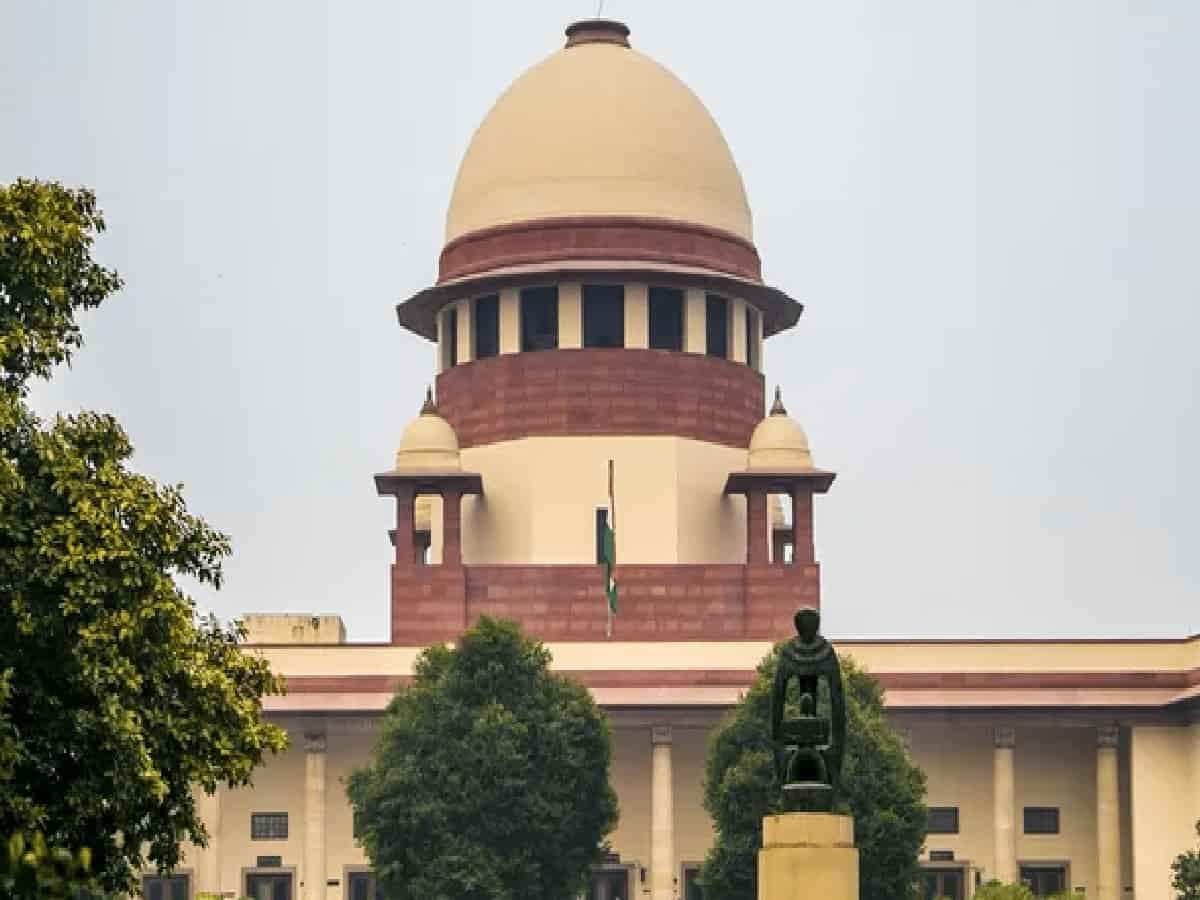
SC Warns Rajasthan Over Jojari-Bandi-Luni Pollution, Flags Water Crisis
The Supreme Court of India has delivered a stern rebuke to the Rajasthan government over its "absolutely lethargic" response to severe industrial and municipal contamination across the Jojari–Bandi–Luni river ecosystem, warning that it will initiate suo motu contempt proceedings against erring state officials if visible action is not taken on the ground. Hearing the suo motu environmental matter (In Re: 2 Million Lives at Risk, Contamination in Jojari River, Rajasthan) on Friday, November 27, 2026, a two-judge bench comprising Justice Vikram Nath and Justice Sandeep Mehta expressed sharp displeasure that compliance had remained confined to paper affidavits rather than tangible field enforcement. Addressing Additional Solicitor General (ASG) S.V. Raju, who appeared for the state, the bench cautioned that bureaucrats cannot let ecological restoration stall behind red tape, adding that failure to produce a concrete, actionable framework would bring consequences not only for individual officers but for the state government as a whole. Alongside ordering the matter listed for passing formal orders on Thursday, December 10, 2026, the top court also spotlighted the acute drinking water shortage in Balotra, suggesting that the Centre and the Rajasthan government collaborate on laying an approximately 100-kilometer pipeline from the Narmada Canal to supply clean water to millions of residents in the region. Across Uttar Pradesh—especially in state capital Lucknow and neighboring riverfront centers such as Unnao, Kanpur, Prayagraj, and Varanasi, where judicial oversight of river-basin pollution, industrial effluent control, and safe drinking-water infrastructure remains a vital public concern—the Supreme Court's tough posture underscores growing judicial intolerance toward bureaucratic inaction on environmental orders.
How the Jojari, Bandi, and Luni River System Connects Jodhpur, Pali, and Balotra
During Friday's hearing, the bench examined the interconnected river basin stretching across western Rajasthan's Marwar belt, where untreated textile and industrial effluents, sewage discharge, and illegal riverbed sand (bajri) mining have severely degraded groundwater and farmland:
| River / Judicial Milestone | Geographic Course & Court Directions |
| Jojari, Bandi & Luni Rivers | Jojari flows through Jodhpur, Bandi flows through Pali, and Luni flows through Balotra—where both the Jojari and Bandi merge into the Luni near Balotra city. |
| November 2025 Oversight Committee | Supreme Court constituted a High-Level Ecosystem Oversight Committee to diagnose root causes of contamination, supervise remedial measures, and recommend long-term restoration steps. |
| August 2026 Buffer & Coordination Orders | Court restrained construction within 100 meters of the Jojari River (and hazardous industries within 500 meters of the flood line) and directed formation of a Chief Secretary-led Integrated Coordination Group. |
| October 26, 2026 Industrial & Mining Freeze | Court barred Rajasthan from granting fresh permissions for new industrial units along or near the river ecosystem until high flood lines and buffer zones are scientifically demarcated, and ordered an SIT probe into illegal bajri mining. |
| November 27, 2026 Hearing & Dec 10 Listing | Bench warned of suo motu contempt proceedings to wake officials from "slumber", flagged Balotra's water crisis, and listed the case for orders on December 10, 2026. |
Supreme Court's Stern Warning to Rajasthan Bureaucracy Ahead of December 10
Reviewing progress since its earlier directives, the bench made clear that patience with bureaucratic delays has run out. Observing that state authorities appeared reluctant to act on the ground, Justices Vikram Nath and Sandeep Mehta remarked that the court would not allow ecological restoration to be derailed by red-tapism and would take drastic steps to wake officials from their "slumber". Senior advocate Balbir Singh, assisting the bench as amicus curiae, recalled the Court's October 26, 2026 order prohibiting new industrial clearances along the river corridor pending scientific demarcation of high flood lines and buffer zones, and noted that while the state had formed a Special Investigation Team (SIT) and registered certain FIRs over organized illegal bajri mining across the Luni, Jojari, and Bandi basins, comprehensive ground-level remediation remained overdue.
Proposal for a 100-Km Narmada Canal Pipeline to Ease Balotra's Drinking Water Crisis
Beyond curbing industrial and mining damage, the Supreme Court directly addressed the human toll of contaminated local water sources in Balotra and surrounding villages. Questioning why the administration had not built dedicated supply infrastructure for the millions of citizens living in the water-stressed belt, the bench suggested laying a roughly 100-kilometer pipeline from the Narmada Canal to bring potable water to Balotra—adding that joint execution by the Union and Rajasthan governments would bring transformative relief to the region before the case returns for orders on December 10, 2026.






