Rewari-Jaipur Second Railway Line Survey Begins
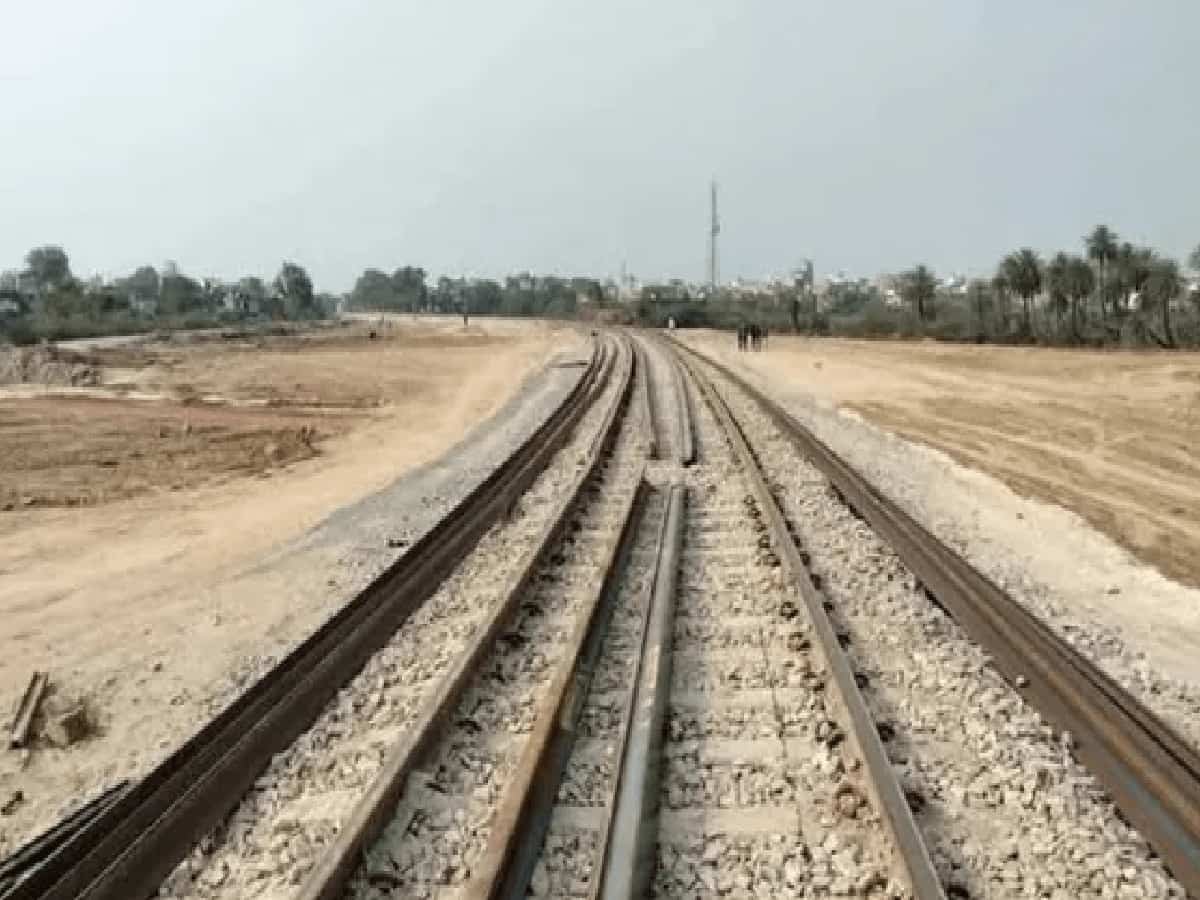
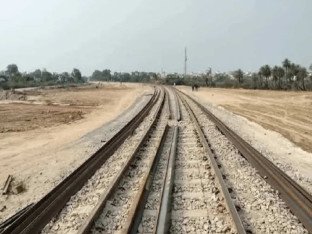
Commuters traveling between the National Capital Region and the pink city of Jaipur are set to experience a massive boost in rail connectivity. Authorities have officially commenced the preliminary location survey for laying a strategic second railway line connecting Rewari and Jaipur. Traversing key industrial and commercial hubs including Neemrana, Behror, Kotputli, and Shahpura, the ambitious infrastructure project aims to eliminate crippling bottlenecks on one of North India’s busiest rail corridors.
Once the ongoing location survey concludes, engineers and planners will finalize the Detailed Project Report (DPR) and initiate comprehensive land acquisition protocols. Demonstrating active inter-state coordination, the Railway Ministry has already formally written to the state governments of Haryana and Rajasthan, requesting administrative cooperation to fast-track land clearance and development approvals.
Route Mapping and Land Acquisition Across 34 Villages
The physical alignment of the new rail corridor requires significant infrastructural expansion. According to preliminary administrative blueprints, land spanning over 34 villages in the Rewari district alone will be acquired to lay the tracks.
To ensure a smooth and transparent acquisition process, the government has assured affected landowners that compensation will be disbursed fairly based on prevailing market benchmarks and local collector rates. A finalized gazette notification detailing the exact village boundaries and land parcels slated for acquisition will be released in the coming weeks. With modern surveying techniques and streamlined project management, railway authorities have set an aggressive target to complete construction on the new line within two years of breaking ground.
Overcoming Single-Track Congestion and Delays
To understand the immense significance of this project, one must examine the operational challenges plaguing the existing infrastructure. Currently, rail transit between Rewari and Jaipur relies heavily on a single-line route operating via Bandikui and Alwar. This legacy corridor handles a massive volume of daily passenger traffic connecting Delhi to Jaipur and southern Rajasthan, alongside a heavy density of freight trains moving raw materials and industrial goods.
Because freight and passenger services share the same single track, scheduling conflicts routinely cause cascading delays. Even premier services like the Delhi-Jaipur Vande Bharat Express and various superfast mail trains frequently experience punctuality issues as they wait for clearance on congested loops. The construction of a dedicated second line will segregate passenger and freight traffic, vastly improving line capacity and train turnaround times.
Slashing Travel Time and Enhancing Passenger Convenience
The completion of the Rewari-Jaipur second rail line is projected to unlock remarkable economic and commuter benefits. By smoothing out operational bottlenecks and allowing trains to operate at optimal speeds without unscheduled halts, passengers traveling between Delhi, Rewari, and Jaipur will save approximately one hour of travel time.
Furthermore, optimized operational efficiencies and shorter routes are expected to rationalize ticket pricing, potentially lowering fares for daily commuters and long-distance travelers alike. Enhanced track capacity will also pave the way for the introduction of new passenger services, additional express trains, and improved frequency connecting the industrial corridors of Haryana and Rajasthan.
Boosting Economic Growth Along the Delhi-Jaipur Industrial Belt
Beyond passenger travel, the new rail link carries profound strategic value for the region's burgeoning industrial clusters. Areas like Neemrana and Kotputli have transformed into major manufacturing and logistics hubs, housing numerous multinational corporations, automotive plants, and warehousing parks.
A robust, high-capacity railway network will provide local industries with seamless freight evacuation routes, reducing logistic costs and promoting green transport alternatives over congested highway networks. As the survey teams map out the terrain and state governments coordinate land acquisition, the Rewari-Jaipur second line stands out as a transformative milestone in India's ongoing transport modernization journey.