Jharkhand to Build 12,500 KM Rural Roads
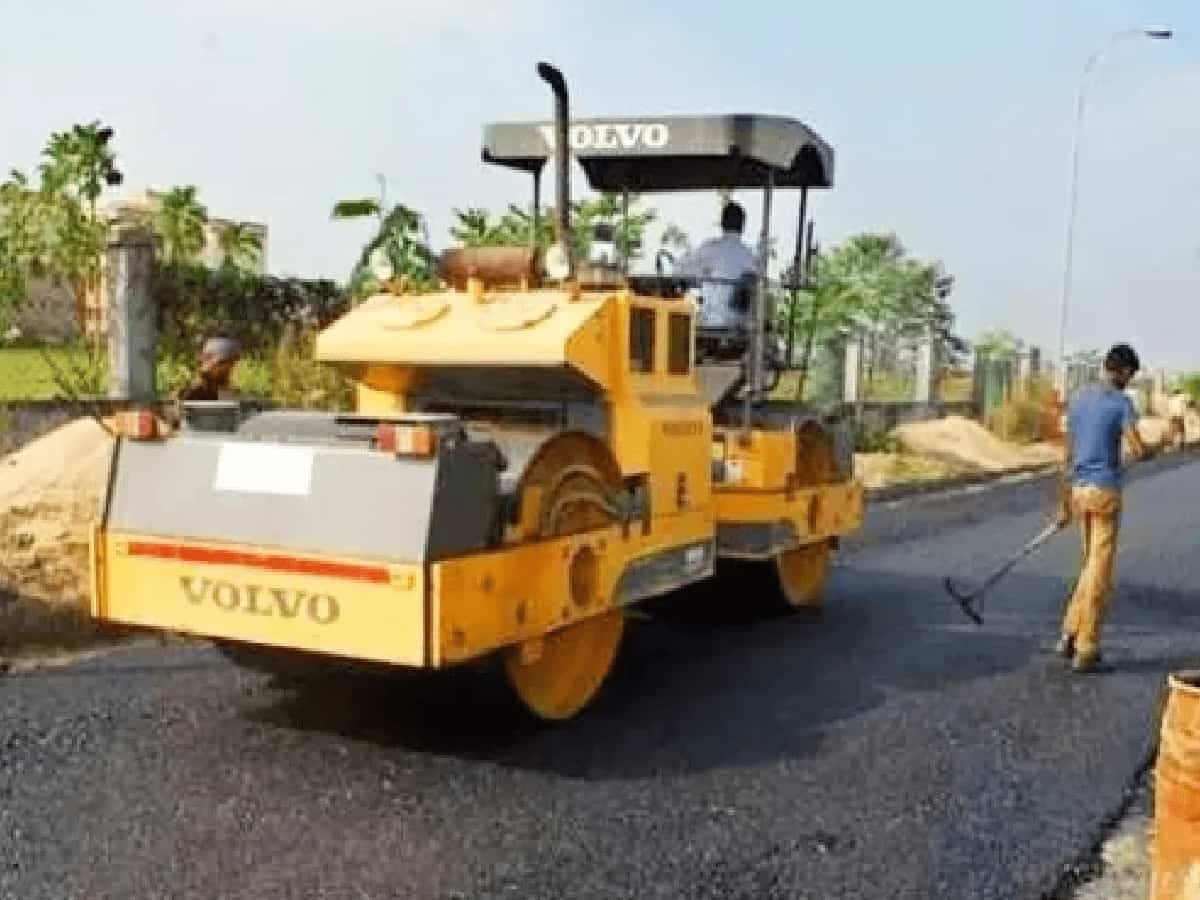
For decades, isolation from the mainstream road network has remained one of the most stubborn bottlenecks holding back rural prosperity in remote tribal hinterlands. Recognizing that reliable infrastructure is the lifeblood of economic development, the Jharkhand government has greenlit a transformative initiative to reshape rural mobility.
Under the strategic direction of Rural Development Minister Deepika Pandey Singh, the state administration has launched an ambitious infrastructure drive under the VB Jiramji Yojana. The comprehensive project sets a binding target to construct 12,500 kilometers of granular sub-base (GSB) and all-weather rural roads across all 24 districts of the state, directly connecting hitherto neglected habitations to primary transit corridors.
Bridging the Gap: Prioritizing Unconnected Rural Settlements
While national programs like the Pradhan Mantri Gram Sadak Yojana (PMGSY) have made significant strides in connecting larger village councils, numerous small hamlets, remote forest settlements, and marginalized tribal habitations have remained excluded due to strict population and connectivity criteria.
The VB Jiramji Yojana is specifically designed to fill these critical administrative gaps. The Rural Development Department has prioritized identifying isolated rural settlements that lack any form of all-weather road connection. By channeling state resources into the construction of robust GSB roads, the government aims to integrate these forgotten pockets into the state's broader economic grid.
The primary objective is clear: to eliminate geographic isolation, drastically reduce travel time to administrative blocks, and ensure that remote populations gain seamless access to healthcare facilities, educational institutions, commercial marketplaces, and government employment schemes.
District-Wise Breakdown: How the 12,500 KM Target Is Distributed
To ensure equitable development across the state's diverse geographical terrain, the 12,500-kilometer road construction target has been carefully allocated across all 24 districts based on local population density, terrain difficulty, and existing infrastructure deficits.
The district-wise targets highlight a widespread distribution focused heavily on interior and border regions:
East Singhbhum: Leads the state allocation with a target of 1,400 kilometers of new road connectivity.
Palamu: Set to receive 1,100 kilometers of rural roadway infrastructure.
Garhwa: Allocated 1,000 kilometers to improve transport networks in undulating terrain.
Chatra and Latehar: Slated for 850 kilometers and 800 kilometers, respectively, addressing chronic connectivity challenges in forested zones.
West Singhbhum and Hazaribagh: Assigned targets of 750 kilometers and 700 kilometers.
Bokaro and Godda: Set for 600 kilometers each.
Lohardaga and Simdega: Targeted at 500 kilometers each.
Deoghar, Khunti, Jamtara, and Saraikela-Kharsawan: Each slated to receive 400 kilometers of new roads.
Gumla and Giridih: Targeted at 350 kilometers each.
Ranchi and Pakur: Set for 300 kilometers each.
Dumka and Dhanbad: Allocated 200 kilometers each.
Sahibganj and Koderma: Set for 150 kilometers each.
Ramgarh: Targeted at 100 kilometers of localized rural connectivity.
Empowering Farmers and Transforming Rural Livelihoods
Infrastructure development is fundamentally about human empowerment. Rural Development Minister Deepika Pandey Singh emphasized that establishing robust road links is a non-negotiable priority for uplifting agrarian and tribal livelihoods across Jharkhand.
For local farmers, horticulturists, and forest-produce gatherers, the absence of motorable roads has historically meant severe post-harvest losses. Perishable commodities like vegetables, seasonal fruits, and minor forest produce often spoiled before reaching commercial markets due to bumpy, unpaved tracks. With the completion of the VB Jiramji Yojana roads, agricultural supply chains will experience a paradigm shift:
Reduced Transportation Costs: Smooth all-weather surfaces will significantly lower vehicle wear-and-tear and fuel consumption for local transport operators.
Direct Market Access: Farmers can transport their produce directly to urban wholesale mandis, bypassing exploitative middlemen and securing better price realization.
Employment and Economic Diversification: Better connectivity attracts small businesses, improves tourism potential in scenic rural belts, and opens up new livelihood opportunities for rural youth.
Paving the Way for a Self-Reliant Jharkhand
As administrative machinery swings into action and detailed technical surveys progress across the districts, the VB Jiramji Yojana stands out as a masterclass in grassroots governance. By targeting the most remote habitations first, the Jharkhand government is delivering on the promise of inclusive growth.
When the last stretch of these 12,500 kilometers is paved, thousands of villages will step out of isolation, turning distant markets into accessible destinations and transforming the socio-economic landscape of rural Jharkhand for generations to come.