Punjab's Massive Health Revolution Mukhyamantri Sehat Yojana Emerges as Game-Changer
The state of Punjab is witnessing an unprecedented healthcare transformation that is rapidly shielding common citizens from devastating medical expenses. The state government's ambitious 'Mukhyamantri Sehat Yojana' has officially emerged as a monumental safety net, safeguarding over 1.59 lakh lives from severe financial distress during medical emergencies. By offering a robust cashless treatment ceiling of up to ₹10 lakh per family annually, the welfare program has effectively replaced the deep-rooted fear of exorbitant hospital bills with a profound sense of institutional security for millions of households.
Breaking Down the Substantial Scale of Financial Assistance
Recent performance metrics compiled through mid-May reveal the immense impact of this state-sponsored insurance matrix. A total of 1.59 lakh unique patients have successfully accessed top-tier medical care across the state, resulting in the successful execution of over 3.11 lakh distinct clinical and surgical procedures. To fuel this massive healthcare drive, the state exchequer has directly disbursed over ₹522 crore to medical institutions. This massive funding injection ensures that ordinary citizens are completely insulated from out-of-pocket healthcare expenses that historically pushed families into inescapable cycles of rural and urban debt.
Universal Scope: Eradicating Income Barriers for Holistic Coverage
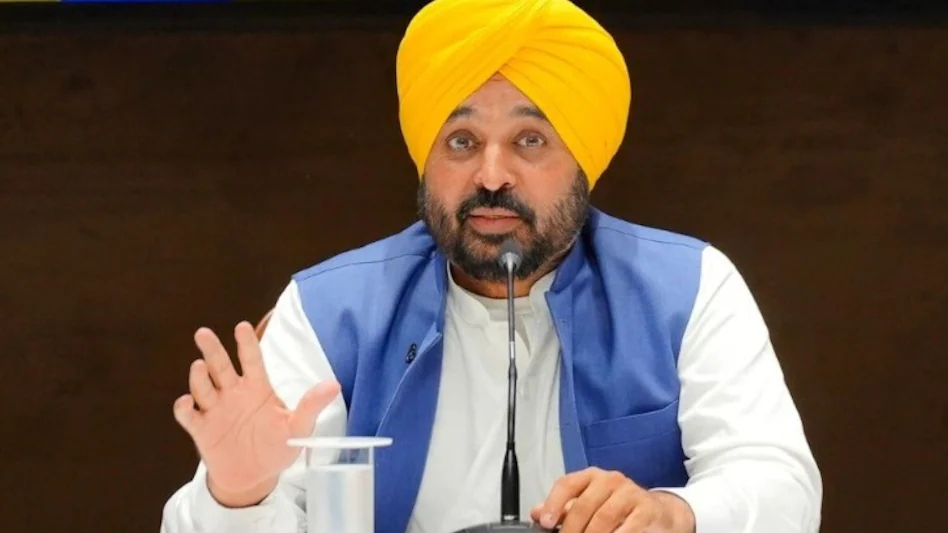
Unlike traditional public insurance frameworks that limit benefits to specific low-income slabs, this revised flagship scheme operates on a model of universal health coverage. The Bhagwant Mann-led administration has consciously omitted restrictive socio-economic or income criteria. The plan blankets all authentic residents of Punjab under a single protective umbrella, including middle-class families, contractual workers, government employees, and pensioners. To unlock this annual ₹10 lakh buffer, families simply need to register using standard identity proofs like an Aadhaar card and a Voter ID, facilitating access to a vast network of 839 government and empanelled private hospitals.
Comprehensive Medical Packages Targeting Critical Illnesses
Punjab Health Minister Dr. Balbir Singh emphasized that the primary objective of the upgraded initiative is to guarantee that no patient is ever denied life-saving interventions due to financial limitations. Operating under the advanced Health Benefit Package 2.2 framework, the scheme covers nearly 2,300 specialized medical treatments. This includes highly complex cardiac surgeries, oncology interventions, intensive neonatal care, regular dialysis, and critical organ management. Furthermore, to maximize institutional efficiency, the government has reserved 98 specialized treatment channels exclusively for state-run public hospitals.
Complete Protection: Covering Hidden Pre and Post-Hospitalization Costs
One of the most tactical features of the policy is its holistic approach to patient recovery, which targets hidden expenses that typically exhaust a family's savings. The financial coverage does not start and end at the operating theater; it actively accounts for secondary medical costs. The card structure explicitly covers up to 3 days of pre-hospitalization diagnostic testing and documentation, along with 15 days of post-hospitalization medications, follow-up consultations, and nursing care. This continuous care model ensures that patients can smoothly transition from critical hospital wards to full domestic recovery without facing sudden secondary financial strains.