Priyanka Tiwari
 Share
Share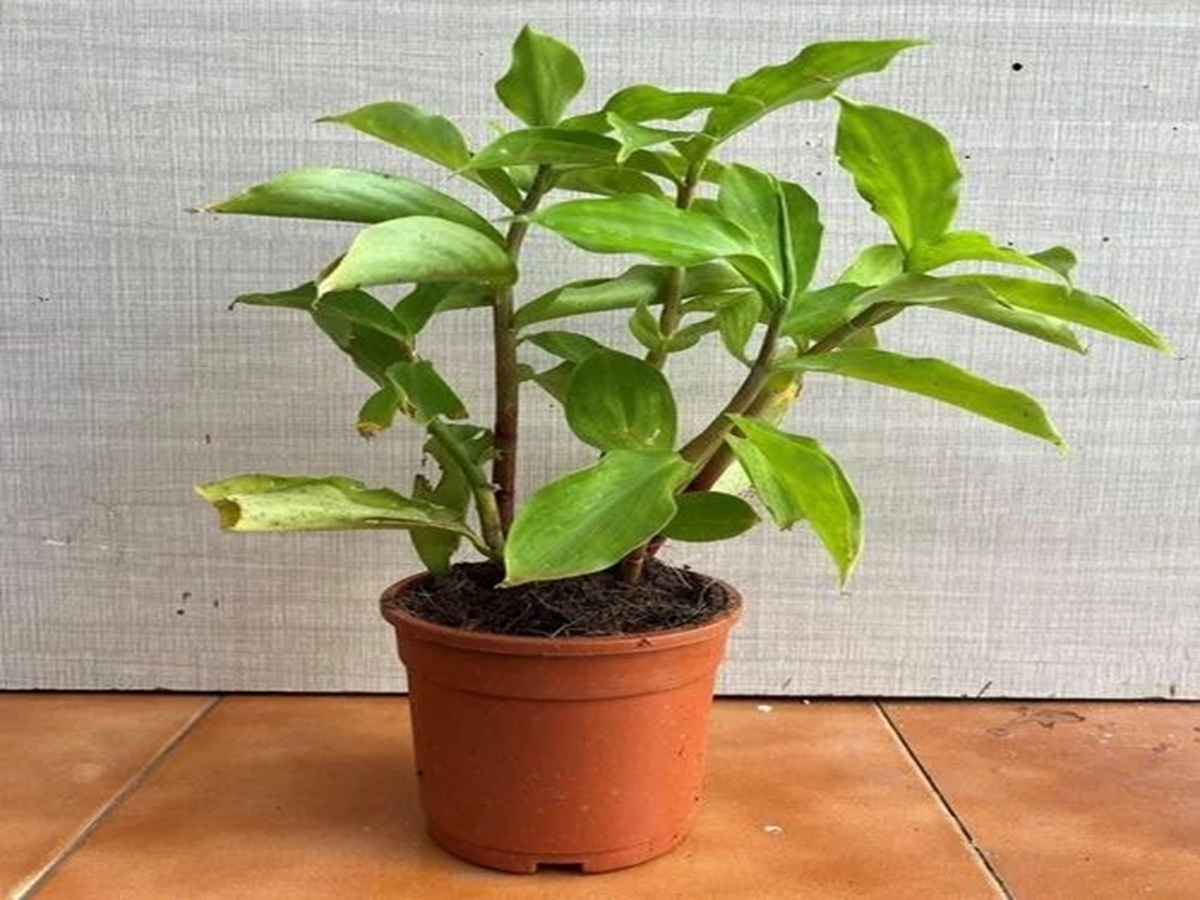
Suspense Crime, Digital Desk : In the ongoing search for ways to manage diabetes, many people are turning to nature for help. Alongside modern medicine, traditional remedies are gaining attention, and one plant, in particular, has earned a very telling nickname: the "Insulin Plant."
But can a simple green leaf really help control blood sugar? Let's take a closer look at this fascinating plant and what makes it a topic of interest for those living with diabetes.
What Exactly is the Insulin Plant?
Known scientifically as Chamaecostus cuspidatus and also called Spiral Flag or Fiery Costus, this plant is native to parts of Central and South America and is now widely grown in India. It gets its powerful nickname not because it produces insulin, but because of its traditional use in helping the body manage blood sugar levels more effectively.
The leaves of the plant are packed with beneficial nutrients, including proteins, antioxidants, and a key chemical compound called corosolic acid.
How is it Believed to Work?
The magic is thought to be in the corosolic acid. This active compound is believed to play a crucial role in glucose metabolism. In simple terms, it helps the cells in your body absorb sugar from the bloodstream more efficiently. When your cells take up sugar properly, it prevents it from building up in your blood, which is the primary goal of diabetes management.
Think of it as giving your body's natural sugar-processing system a gentle, green boost. By enhancing this process, the leaves of the Insulin Plant may help to lower high blood glucose levels.
How Do People Use It?
Traditionally, there are two common ways to consume the leaves of the Insulin Plant:
Chewing the Leaf: The simplest method is to wash one or two fresh leaves and chew them thoroughly each day.
Making a Tea (Decoction): You can also boil a few leaves in water, strain the liquid, and drink it as a daily herbal tea.
An Important Word of Caution
While the Insulin Plant is a popular natural remedy, it is critically important to approach it with care.
It is not a replacement for medicine. Never stop taking your prescribed diabetes medication or insulin without consulting your doctor.
Talk to your doctor first. Before adding this or any herbal supplement to your routine, discuss it with your healthcare provider. They can advise you on potential interactions with your current medications.
Monitor your levels. Combining this plant with diabetes medication could potentially lower your blood sugar too much (hypoglycemia), which can be dangerous.
The Insulin Plant is an intriguing example of how nature can support our health, but it should be used wisely and as a supplement to, not a substitute for, professional medical care.
Read More: Soft & Spongy Rasgulla Secrets: How to Make 40 Pieces of White Rasgulla with Just 2 Cups of Milk