Supreme Court Denies Bail in Digital Arrest Scams, Equates Cyber Fraud with Robbery and Dacoity
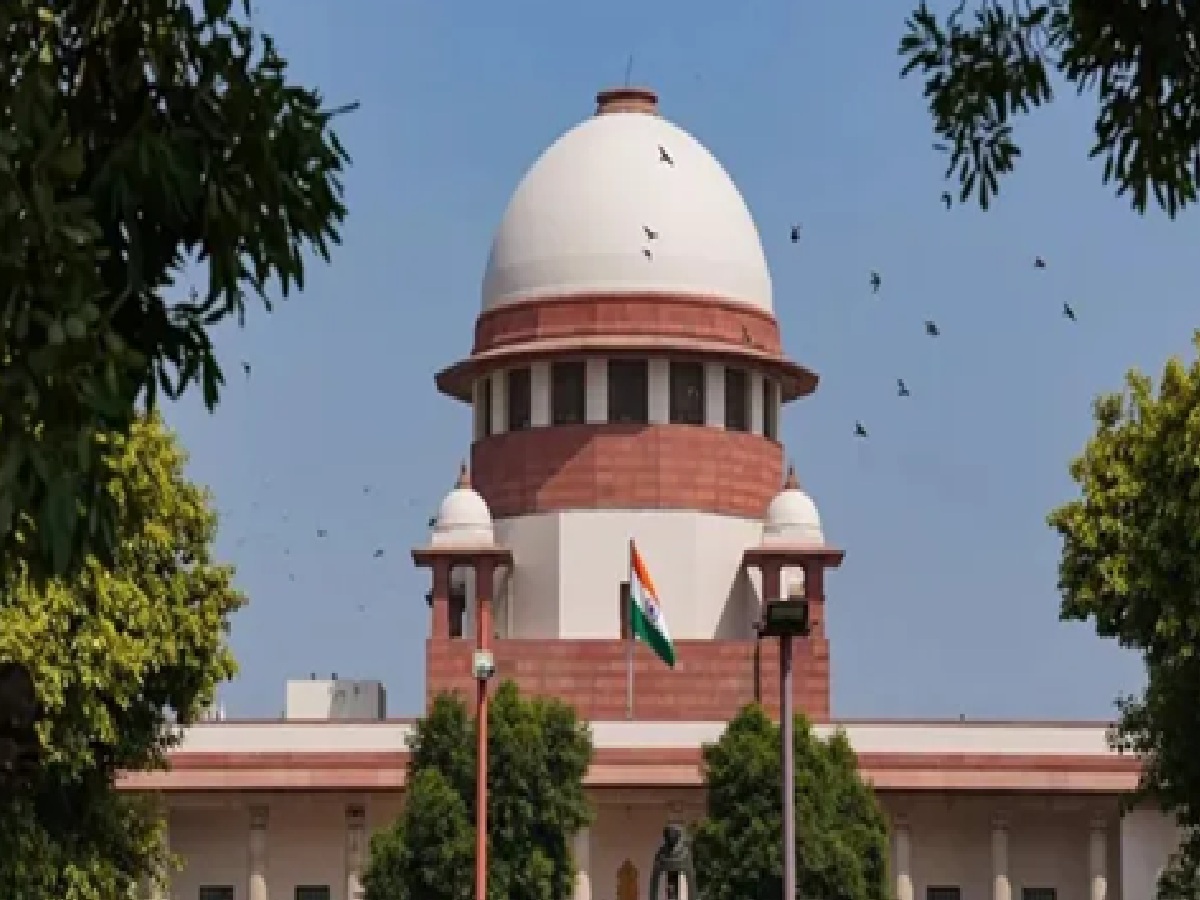
In a landmark and highly anticipated legal stance against the rising wave of cyber crimes, the Supreme Court of India has firmly refused to grant bail to individuals accused in digital arrest scams, barring any exceptional circumstances. Presided over by a bench comprising Chief Justice of India (CJI) Surya Kant, Justice Joymalya Bagchi, and Justice V. Mohana, the apex court delivered a stern message to lower courts and high courts, categorizing digital arrest frauds as the most egregious and malicious crimes targeting vulnerable senior citizens who lose their lifelong savings to cyber syndicates.
Comprehensive Judicial Crackdown on Cyber Syndicates
During the recent court proceedings, the bench outrightly dismissed arguments put forth by defense counsels attempting to downplay individual involvement. When an accused argued their role was limited to merely opening bank accounts for the primary perpetrators and cited prolonged custody, the Supreme Court ruled that facilitating such operations directly implicates an individual as a core accomplice in the organized crime syndicate. Emphasizing the gravity of these offenses, the bench reiterated that investigative agencies must invoke stringent anti-organized crime legislation against cyber fraudsters and treat digital arrest scams on par with violent traditional crimes like robbery and dacoity.
Nationwide Scope and Rs 3,000 Crore Financial Fraud
The top court's rigorous intervention builds upon suo motu cognizance taken last year, which originally tasked the Central Bureau of Investigation (CBI) with spearheading a nationwide probe into cyber extortion rings targeting senior citizens. According to data compiled by investigating agencies, innocent citizens across the country have been defrauded of a staggering Rs 3,000 crore through sophisticated digital arrest tactics. By activating inter-departmental enforcement mechanisms and setting a strict judicial precedent denying routine bail, the Supreme Court aims to dismantle the infrastructure of tech-enabled financial crimes and deliver robust protection to elderly citizens.