Centre Introduces Stringent Law in Lok Sabha With Up to ₹10 Crore Fine and Fast-Track Courts
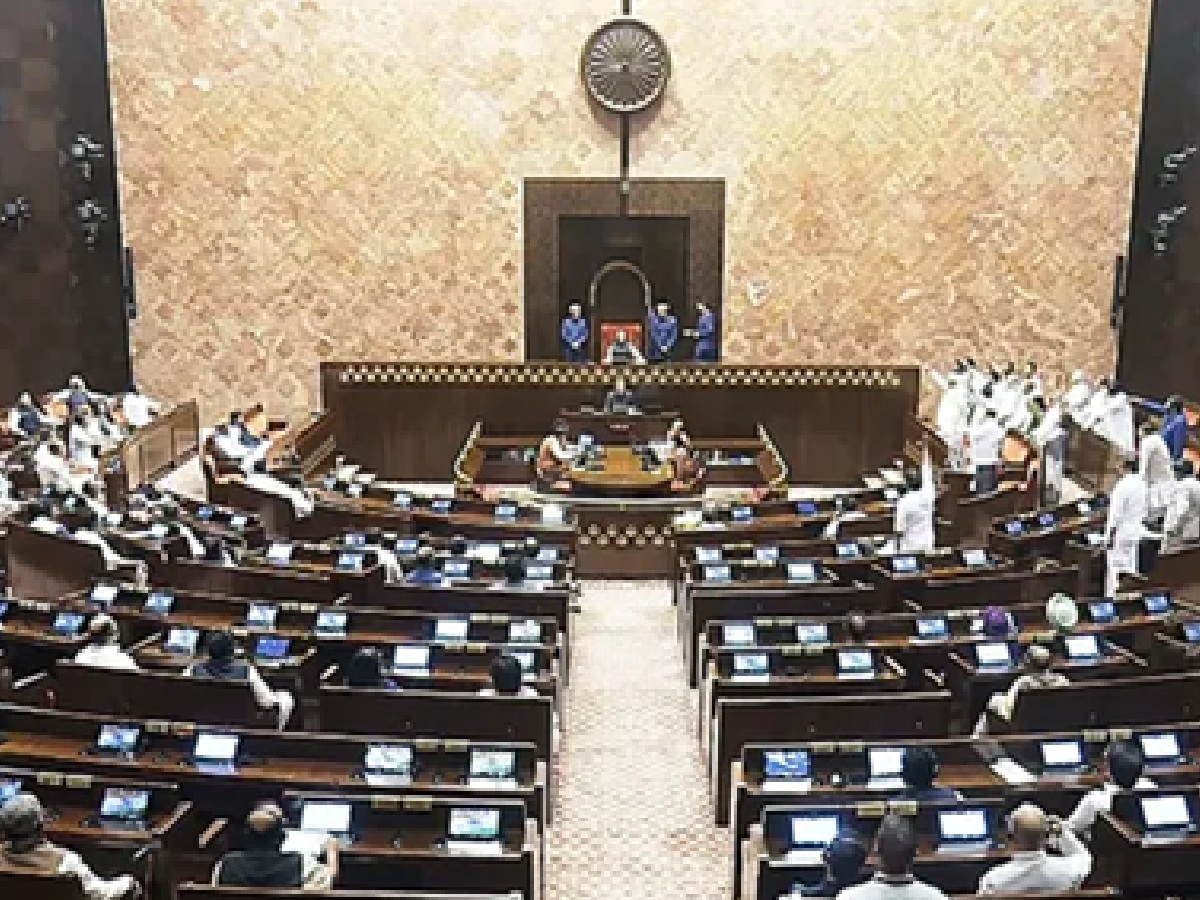
In a major legislative move to crack down on examination fraud and safeguard the future of millions of students, the Central Government is set to introduce the Public Examinations (Prevention of Unfair Means) Amendment Bill, 2026 in the Lok Sabha today. Following widespread nationwide protests and mounting concerns over examination integrity, Union Minister Jitendra Singh will table the comprehensive bill, which proposes unprecedented penal actions, heavy financial penalties, and fast-track legal procedures to eradicate paper leaks and organized cheating syndicates once and for all.
Key Highlights and Stricter Penalties Under the New Bill
The amended legislation aims to replace existing frameworks with much more rigorous deterrents to ensure complete transparency across public recruitment and entrance examinations. The core highlights of the newly proposed bill include:
Severe Imprisonment and Fines: Individuals caught adopting unfair means or tampering with examination processes will face 5 to 10 years of imprisonment alongside a massive fine of up to Rs 50 lakh.
Crackdown on Organized Gangs: If a paper leak is orchestrated by organized criminal syndicates or institutional networks, the punishment escalates severely, carrying a mandatory minimum prison sentence of 7 years and a penalty reaching up to Rs 10 crore.
Fast-Track Justice: Special fast-track courts will be established specifically for these cases to ensure prompt trials, with verdicts mandated within just 2 months to deliver swift justice.
15 Defined Offences: The bill explicitly outlines 15 distinct punishable offenses, encompassing direct paper leaks, OMR sheet tampering, creation of fake websites, and distribution of counterfeit admit cards.
NDA Mobilizes Young MPs to Lead the Parliamentary Debate
To ensure dynamic representation and robust dialogue, the National Democratic Alliance (NDA) has strategically selected a team of young and prominent Members of Parliament to lead the discussion in the Lok Sabha. A total of nine MPs representing key coalition allies—including the BJP, TDP, Shiv Sena, NCP, Apna Dal, LJP (Ram Vilas), and JDU—will actively participate. Parliamentary Affairs Minister Kiren Rijiju has appealed to all political parties to engage constructively in the debate, emphasizing that maintaining legislative decorum on such a vital national issue is paramount. Prominent youth leaders such as Bansuri Swaraj and Tejasvi Surya from the BJP, alongside opposition voices like the TMC's Sayani Ghosh, are expected to spearhead the floor discussions.
Background and Institutional Reforms in the Education Sector
This legislative push comes in the wake of significant past controversies, including widespread protests sparked by exam irregularities that previously prompted administrative overhauls and leadership transitions within the education ministry. Alongside the new parliamentary bill, the government has ramped up institutional reforms, including the formation of a high-level expert task force headed by Infosys co-founder Nandan Nilekani to recommend foolproof technological measures for future tests. Union Education Minister Pralhad Joshi is also slated to address related educational queries during today's parliamentary session, marking a decisive step toward restoring total credibility to India's examination ecosystem.