27th Kargil Vijay Diwas: How Operation Vijay Transformed India’s Defence Strategy, Tri-Service Integration, and Atmanirbharta
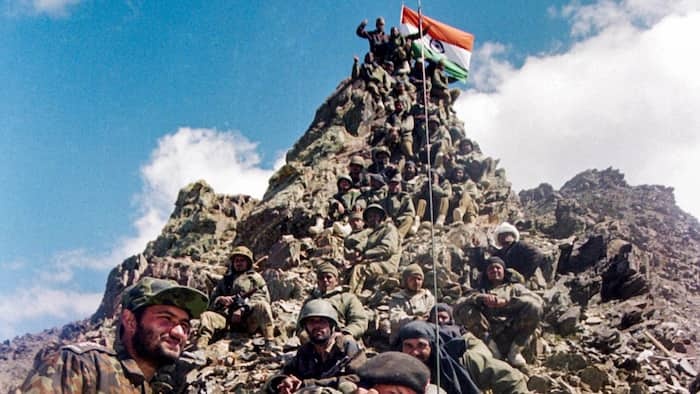
India marks the 27th anniversary of Kargil Vijay Diwas on July 26, 2026, honouring the victory of Operation Vijay in 1999. The conflict concluded with the Indian Armed Forces successfully recapturing strategic high-altitude outposts in the Kargil sector of Ladakh after expelling Pakistani infiltrators.
Beyond its military success, the Kargil War served as a crucial turning point for India's national security framework, triggering significant reforms across defence governance, intelligence infrastructure, and strategic military doctrines.
Key Structural Reforms Post-Operation Vijay
The findings of the Kargil Review Committee exposed critical operational gaps in border surveillance, inter-service coordination, and intelligence sharing. These insights laid the groundwork for major institutional shifts over the subsequent two decades:
Tri-Service Integration & Creation of CDS: To ensure operational synergy between the Indian Army, Indian Navy, and Indian Air Force, the Chief of Defence Staff (CDS) post and the Department of Military Affairs (DMA) were established.
Intelligence & Surveillance Expansion: The creation of the Defence Intelligence Agency (DIA), alongside a substantial expansion in satellite imagery and drone-based border monitoring, strengthened real-time intelligence capabilities.
Permanent Border Management: The practice of vacating high-altitude outposts along the Line of Control (LoC) during peak winter months was permanently discontinued, transforming the LoC into a heavily fortified, year-round manned frontier.
Shift to Proactive Retaliation and Atmanirbharta in Defence
The restriction of access to foreign military hardware during the 1999 conflict accelerated India's push toward Atmanirbharta (self-reliance) in defence manufacturing. Domestic defence production has grown exponentially, expanding export footprints to over 80 countries globally.
Strategic & Doctrine Evolution:
Policy Shift: India's defence doctrine has transitioned from reactive border management to proactive, punitive deterrence against cross-border terrorism.
Redefining Thresholds: Official defence frameworks now categorise state-sponsored cross-border terror attacks not as isolated incidents, but as deliberate acts of war warranting decisive responses.
Diplomatic & Strategic Realignment: The international community increasingly views India as a responsible nuclear power. In contrast, India's diplomatic posture during and after the conflict succeeded in isolating regional cross-border terror networks.
Kargil Reform Impact Matrix
| Reform Pillar | Post-Kargil Initiative | Strategic Outcome |
|---|---|---|
| Governance | Chief of Defence Staff (CDS) & DMA | Unified tri-service planning & joint operational capability |
| Intelligence | Defence Intelligence Agency (DIA) | Enhanced drone, satellite & signal intelligence oversight |
| Defense Industry | Atmanirbharta Push | Indigenous manufacturing expansion & rising defence exports |
| Border Doctrine | Permanent High-Altitude Manning | Elimination of seasonal operational gaps along the LoC |