Priyanka Tiwari
 Share
Share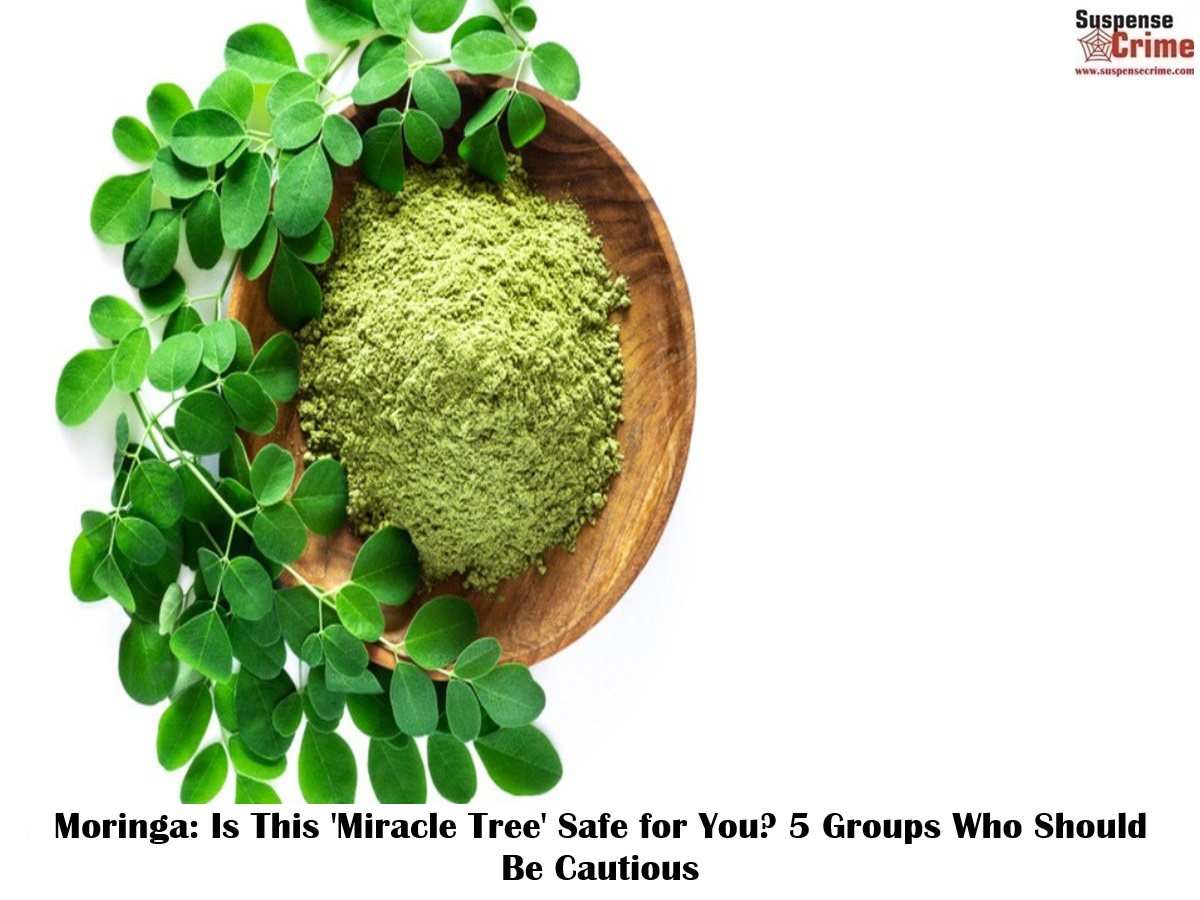
Suspense crime, Digital Desk : Moringa, often called the "drumstick tree" or "miracle tree," has surged in popularity as a superfood powerhouse. Packed with vitamins, minerals, and antioxidants, its leaves are praised for everything from boosting immunity to fighting inflammation. However, despite its powerful benefits, moringa isn't suitable for everyone.
For certain individuals, consuming moringa leaves, powder, or supplements can lead to adverse effects or interfere with existing health conditions. Before you add this potent green to your diet, it's crucial to know if you fall into one of the groups that should exercise caution or avoid it altogether.
Here are five types of people who should think twice before consuming moringa:
1. Pregnant Women
While moringa is nutrient-rich, parts of the plant, including the root, bark, and flowers, contain chemicals that can cause uterine contractions. This poses a potential risk of miscarriage. While the leaves are generally considered safer, the risk is significant enough that most health experts advise pregnant women to avoid moringa completely to ensure the safety of their pregnancy.
2. People with Low Blood Sugar (Hypoglycemia)
Moringa is known for its ability to lower blood sugar levels, which can be beneficial for some. However, for individuals who already have low blood sugar (hypoglycemia) or are taking medication for diabetes, adding moringa could cause their blood sugar to drop to dangerously low levels. This can lead to dizziness, confusion, and fainting.
3. Individuals with Low Blood Pressure (Hypotension)
Similar to its effect on blood sugar, moringa can also lower blood pressure. If you already suffer from low blood pressure (hypotension) or are on medication to control high blood pressure, consuming moringa could cause your pressure to fall too far, resulting in lightheadedness, nausea, and fainting.
4. Those with Thyroid Issues
People being treated for thyroid problems, particularly hypothyroidism, should be very careful. Some studies suggest that compounds in moringa can interfere with thyroid function and may impact the effectiveness of thyroid medications like levothyroxine. If you have a thyroid condition, it is essential to speak with your doctor before using moringa.
5. People with Kidney Problems
Moringa is high in certain minerals, including potassium. For individuals with healthy kidneys, this isn't an issue. However, for those with kidney disease or impaired kidney function, the body may struggle to filter out excess potassium. This can lead to a dangerous buildup in the blood, a condition known as hyperkalemia, which can affect heart rhythm.
Read More: The Magic of One Pod Why You Should Never Skip Cardamom After Dinner



_1416678513_100x75.jpg)