
 Ziya
Ziya Share
Share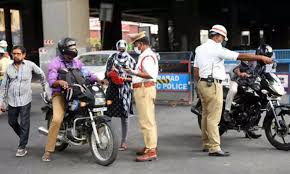
The Pink City is witnessing a major transformation in its urban management as Chief Minister Bhajan Lal Sharma’s push for administrative efficiency takes effect. In a significant move to tackle the chronic congestion issues in Jaipur, the state government has initiated a large-scale reshuffle within the traffic police department. This overhaul is not just about personnel changes but marks the implementation of a brand-new "Jaipur Traffic Model" designed to streamline the city's chaotic commute.
CM’s Crackdown on Traffic Negligence
The reshuffle comes on the heels of the Chief Minister’s dissatisfaction with the growing traffic hurdles faced by residents and tourists alike. During recent high-level meetings, the CM issued a stern warning against negligence and directed the home department to ensure that key junctions are managed by active and efficient personnel. As a result, several high-ranking and field-level officers have been transferred, making way for a dedicated team tasked with executing the new traffic strategy.
The "Jaipur Traffic Model": Technology Meets Enforcement
The newly launched traffic model focuses on a data-driven approach to decongest the city's busiest corridors. Key components of this model include:
Smart Signal Synchronization: AI-based traffic signals that adjust timings based on real-time vehicle density.
Strict No-Parking Zones: A zero-tolerance policy for illegal parking on main arterial roads, backed by increased towing squads.
Encroachment Removal: A coordinated drive with municipal authorities to clear footpaths and roadsides, ensuring wider carriage-ways for vehicles.
One-Way Implementation: Re-routing traffic in heritage areas like the Walled City to prevent bottlenecking in narrow lanes.
E-Challans and 24/7 Monitoring
Under the new regime, the reliance on manual intervention is being reduced in favor of high-definition CCTV surveillance. The Integrated Traffic Management System (ITMS) is being upgraded to issue automated e-challans for violations such as red-light jumping, triple riding, and driving without helmets. Traffic marshals are being deployed at "hotspots" during peak hours to provide manual assistance where technology alone cannot manage the surge.
Impact on Commuters and Tourism
Jaipur, being a global tourist hub, has long struggled with traffic snarls that dampen the visitor experience. With the implementation of this new model, the administration aims to reduce travel time across the city by at least 20-30%. Residents have already begun to notice a more visible police presence at major intersections like Rambagh Circle, JLN Marg, and B2 Bypass. The success of this model in Jaipur could serve as a blueprint for other major cities in Rajasthan.