
 Priyanka Tiwari
 Share
Share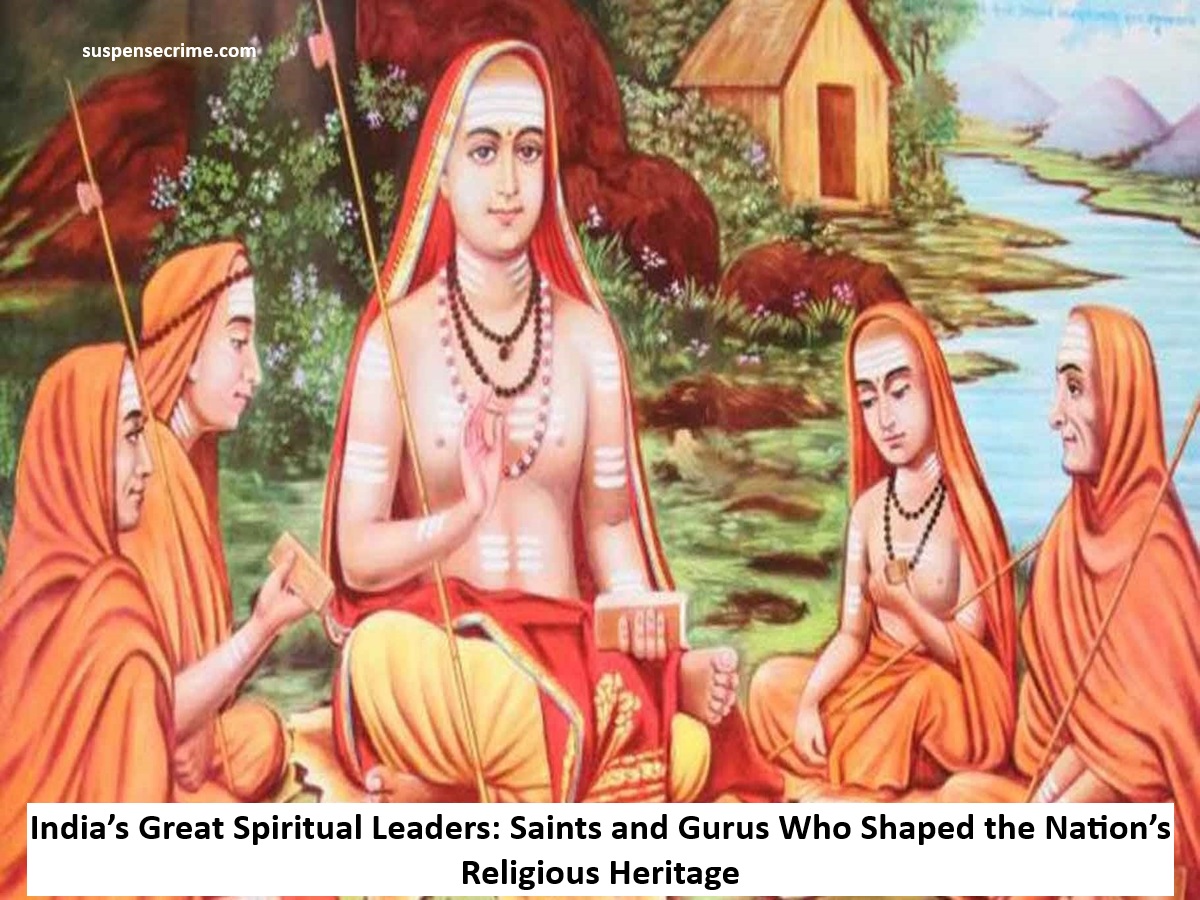
Suspense crime, Digital Desk : India is known for its rich history in spirituality practices. The culture and morals of the country was holisticly developed throughout history by saints, philosophers, and teachers from different religions who provided guidance to several generations.
The following is a brief summary of the eminent personalities from the four principal religions of India: Hinduism, Jainism, Buddhism, and Sikhism.
HINDUISM
Adi Shankaracharya (788–820 C.E.): The ‘Advaita’ Vedanta Bhaskara was a prominent figure and rejuvenated the philosophy of Hinduism with non-dualistic thinking.
Ramanuja Acharya (1017–1137 C.E.): Wrote ‘Vishishtadvaita Vedanta’, where the devotion to lord Vishnu and his degree of reasoning were well balanced.
Madhvacharya (1238–1317 C.E.): Exponent of Dvaita Vedanta that stressed the distinction between the soul and God.
Vallabhacharya (1479–1531 C.E.): Founder of the Pushtimarg, where he preached love to Krishna without selfish motives.
Maharshi Valmiki: The ramayana, a pivotal epic of Hinduism, was written by this ancient sage.
Tulsidas (1497–1623 C.E.): His striking work ‘Ramcharitmanas’ made the tale of Rama accessible to people in their languages, thus becomes popularised.
Kavi Surdas (1478–1581 C.E.): The devotee of Krishna, known for devotional songs (bhajans) filled with emotion.
Sant Kabirdas (1440–1518 C.E.): He was a mystical poet who wrote pearls and fought for spirituality rather than blind worship.
Meerabai (1498–1547 C.E.): Krishna’s Bhashi poet devoted her life to Lord Krishna but wrote stunningly bold verses which inspired countless generations.
Chaitanya Mahaprabhu(1486–1534 C.E.): Popularized the chanting of Krishna's name and spread Gaudiya Vaishnavism.
Tailang Swami (1607–1887 C.E.): Noted for his incredible focus on spirituality, and otherworldly longevity.
Ramakrishna Paramhansa (1836–1886 C.E.): Championing belief that all religons converge to the same essence; influenced Swami Vivekananda.
Jhulelal: Worshipped by Sindhi Hindus as a manifestation of Varuna Dev, he is commemorated during Cheti Chand.
Jainism
Mahavira(599–527 B.C.): The 24th Tirthankara, Mahavir’s teachings on ahimsa, sathyam, and extreme asceticism are the tenets of Jain doctrine.
Buddhism
Gautama Buddha (563–483 B.C.): Initiator of Buddhism, Enlightenment was achieved through the teaching of the Four Noble Truths and the Eightfold Path.
Sikhism
Guru Nanak Dev Ji (1469–1539 C.E.): Initiated Sikhism and championed equality, oneness and worship of one God.
Guru Gobind Singh Ji(1666–1708 C.E.): The 10th Sikh Guru, he set up the Khalsa and promoted discipline in the spiritual and military arts.
Guru Ravidas (1377–1527 C.E): A saint of Bhakti movement, devoted to God, who dismantled the caste system and promoted equality.
Impact of India’s Saints and Gurus Ullas
Having contributed to the spiritual and cultural heritage of India, these saints and gurus shaped a philosophy that is timeless and motivating towards profound love for truth, peace, and righteousness.
Read More: Success or Warning? What the Growth of Your Navratri Barley Says About Your Future