
 Ziya
Ziya Share
Share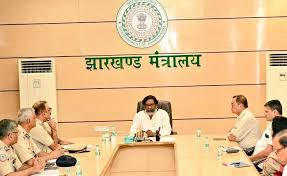
Jharkhand is currently witnessing a significant wave of administrative and cultural shifts. In a recent cabinet meeting chaired by Chief Minister Hemant Soren, two major decisions stood out: a new tax structure for urban travelers and the renaming of one of the state’s most iconic railway stations.
A New Cost for Travelers: The City Tourist Tax If you are planning a visit to Jharkhand’s urban hubs like Ranchi, Jamshedpur, or Dhanbad, you might want to adjust your budget. The state has approved the ‘Jharkhand City Tourist Tax Rules, 2025’, which introduces a levy on hotel stays based on the total invoice value.
The tax isn't a flat rate; it depends on the luxury level of your accommodation:
Domestic Travelers: Expect to pay 2% at non-GST hotels, 2.5% if the hotel's GST is below 18%, and 5% for premium stays with GST at 18% or above.
Foreign Tourists: The stakes are higher, with a tax range of 4% to 10%.
The government intends to use these funds to improve tourist amenities, preserve heritage sites, and boost the state's library infrastructure, for which a massive ₹276 crore fund was also cleared.
A Historic Shift: Daltonganj becomes Medininagar In a move that resonates deeply with local pride, the Daltonganj Railway Station is officially being renamed Medininagar Railway Station. While the city itself was renamed Medininagar back in 2004, the railway station had held onto its British-era name honoring Colonel Edward Tuite Dalton for over two decades since.
The new name honors Maharaja Medini Ray, the legendary 17th-century ruler of the Chero dynasty, known for his justice and for ushering in a "Golden Age" in the Palamu region. For local residents, this isn't just a change of signage; it's the final step in shedding a colonial identity and embracing a hero who truly represents the soil of Jharkhand.
What This Means for the Common Man While the renaming is being celebrated as a cultural victory, the new tourist tax is a reminder of the growing costs of urban development. For the average traveler, it means a slight increase in the "cost of hospitality." However, if the government’s promise of "state-of-the-art" libraries and better tourist facilities holds true, these few extra rupees might eventually pave the way for a much better travel experience across the state.
_891152136_100x75.jpg)
_934999377_100x75.jpg)
_297632329_100x75.jpg)
_1971369341_100x75.jpg)