
 Ziya
Ziya Share
Share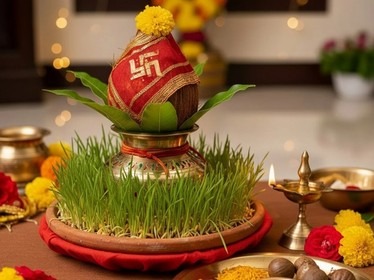
As we approach Chaitra Navratri 2026, homes across the country are preparing for the sacred rituals that honor Goddess Durga. Among the kalash sthapana and the lighting of the Akhand Jyoti, one of the most beautiful and symbolic traditions is the sowing of Jaware (Barley). To a casual observer, it might look like simple gardening, but in the realm of Indian spirituality, these tiny green shoots are considered a direct messenger from the Divine.
Why Barley? The First Crop of Creation According to ancient scriptures, Barley (Jau) is believed to be the first crop that grew on Earth after the creation of the universe. This is why it is offered in almost every major Vedic ritual. During Navratri, sowing Barley represents the beginning of life and our connection to Mother Earth. It is a way of honoring the Goddess as Annapurna, the provider of food and life.
The "Green" Messenger: Reading the Signs For many devotees, the way the Jaware grows during the nine days of Navratri is a mirror to the upcoming year. It is believed that the color, height, and health of the barley stalks carry specific "sanket" (omens):
Lush Green and Tall: This is considered the most auspicious sign. It suggests that the coming year will be filled with prosperity, good health, and success in all your endeavors.
Growing with a Yellowish Tint: While not necessarily bad, a yellow hue at the bottom that turns green at the top is seen as a sign of initial struggle followed by eventual success.
Stunted or Sparse Growth: If the barley doesn't grow well despite proper care, it is traditionally seen as a nudge to be more cautious. It suggests that one should focus more on spiritual practice and be mindful of upcoming financial or personal hurdles.
White or Silver Shoots: A rare occurrence where the shoots appear very light or white is often interpreted as a blessing of immense spiritual growth and peace.
The Ritual of Immersion On the final day of Navratri, these Jaware are worshipped one last time before being immersed in a clean water body. This symbolizes the cycle of life—from birth (sowing) to growth (the nine days) and finally returning to nature (immersion).
Bringing the Ritual Home Whether you believe in the omens or not, the act of nurturing these seeds for nine days brings a sense of discipline and mindfulness to the household. It’s a reminder that with the right intention and "care" (Sadhana), even a tiny seed can grow into something vibrant and full of life.