
 Desk
Desk Share
Share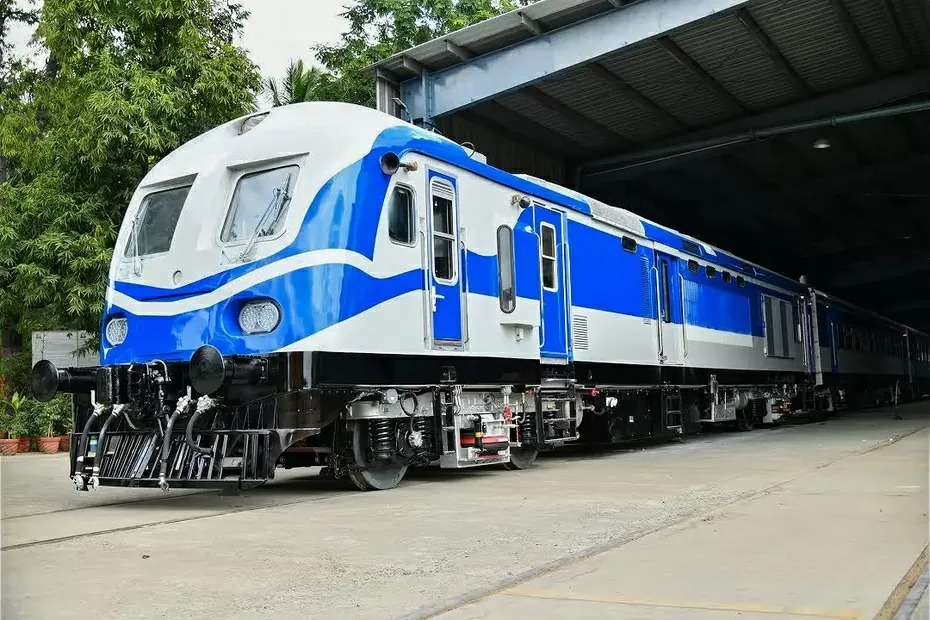
Indian Railways is all set to make history with its first hydrogen-powered train, designed to bring green technology and zero-emission travel to Indian tracks. Here’s everything you need to know about this groundbreaking train, its planned routes, estimated fares, and how India’s vision compares with the world’s best.
The Route: Jind to Panipat, Haryana
First Hydrogen Train Route: Jind to Panipat in Haryana, covering a 90 km stretch.
Trial Phase: The hydrogen train’s trial run has already been conducted successfully on this route.
Hydrogen Logistics: Each journey will require about 360 kg of hydrogen for the round trip. A dedicated hydrogen plant is under rapid construction to support continuous operations.
Why Hydrogen Trains?
Zero Emissions: Runs on hydrogen fuel cells, emitting only water vapor—no pollution.
Part of ‘Zero Carbon’ Mission: Indian Railways aims to become carbon neutral by 2030, with hydrogen technology playing a critical role.
Fare Estimate: What Can Passengers Expect?
Affordable Travel: The fare target is to keep prices accessible for everyday travelers, possibly a bit higher than sleeper class—but far less than luxury or premium trains.
Exact Fare Awaited: Since the service is in the pilot stage, fares will be finalised after passenger studies and operational data are collected.
How Do Global Hydrogen Train Fares Compare?
| Country | Route Example | Fare (₹ per km, approx.) |
|---|---|---|
| Germany | Multiple regions | 7–10 |
| China (tram)* | Foshan City | 5–7 |
| Japan (trial) | Yokohama–Kawasaki | 10–15 |
| USA (planned) | Redlands–San Bernardino | 12–15 |
*Note: China’s project closed in 2024 due to high costs and low usage.
India’s Position: The planned fare will be kept lower than international rates to ensure mass affordability and widespread adoption.
Modern Tech and Future Expansion
Cutting-Edge Design: The prototype is being built by ICF Chennai using retrofitted DEMU (Diesel Electric Multiple Unit) coaches.
Massive Rollout Plan: Railways will introduce 35 hydrogen trains nationwide, especially on heritage and hill routes, with each train costing about ₹80 crore, plus ₹70 crore per route for supporting infrastructure.
Global Green Approval: Leading safety agencies worldwide have given a nod to India’s hydrogen model, marking it as safe, sustainable, and ready for the future
Read More: The Empty Cafeteria Why HCLTech Just Sent Employees Back to WFH



_1416678513_100x75.jpg)