Priyanka Tiwari
 Share
Share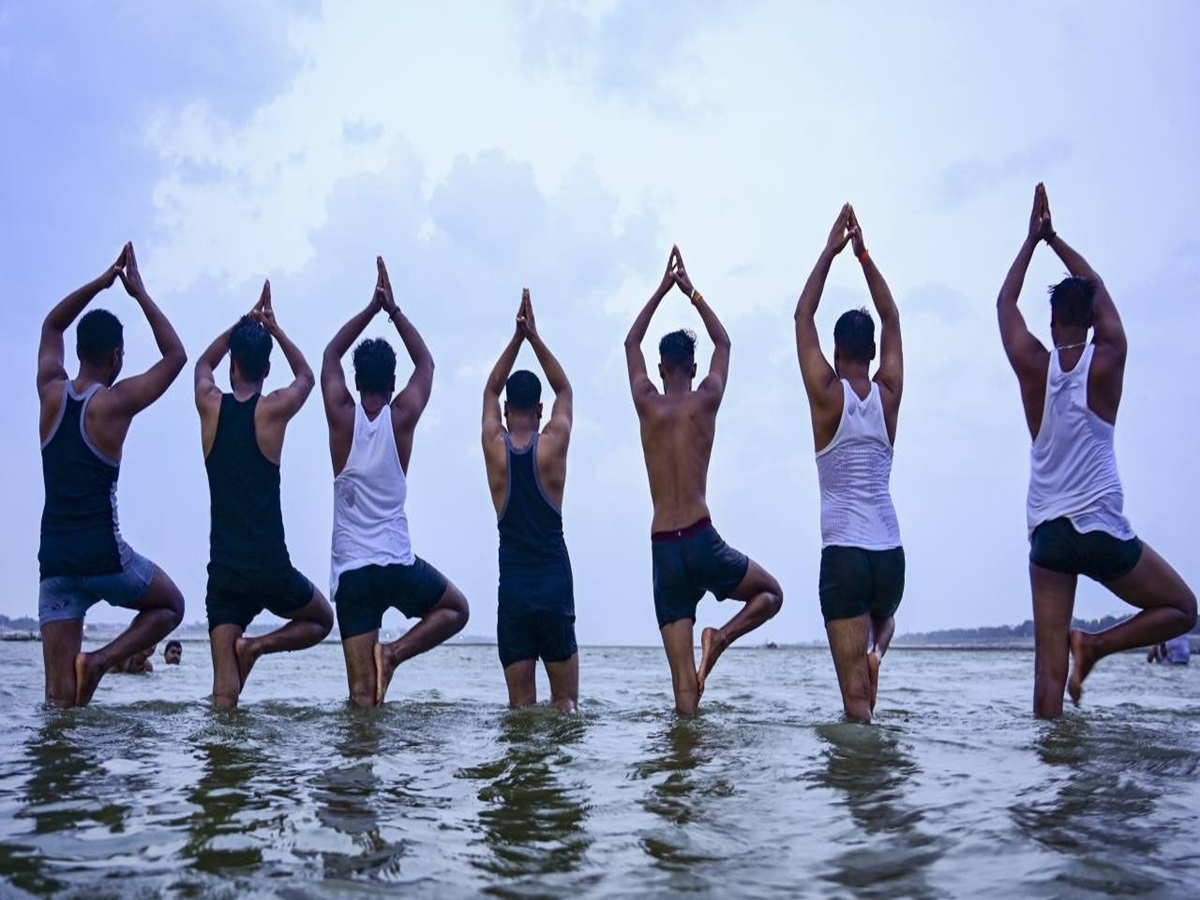
Suspense crime, Digital Desk : Every year on June 21st, millions of people across the globe roll out their mats to celebrate the International Day of Yoga. But have you ever wondered why this specific date was chosen? The selection of June 21st is no coincidence; it's a thoughtful blend of ancient wisdom, modern diplomacy, and the natural rhythms of the Earth.
Here are the five key reasons behind this significant date.
1. The Prime Minister's Vision
The journey to establish a global day for yoga began with Indian Prime Minister Narendra Modi. On September 27, 2014, during his address to the United Nations General Assembly (UNGA), he proposed the idea, describing yoga as an "invaluable gift of India's ancient tradition" that embodies the unity of mind and body.
2. A Swift Global Embrace
PM Modi's proposal received unprecedented international support. A record-breaking 177 member states co-sponsored the resolution, and on December 11, 2014, the UN officially declared June 21st as the International Day of Yoga. The speed and scale of the adoption highlighted yoga's universal appeal.
3. The Power of the Sun: The Summer Solstice
At its core, the date is tied to astronomy. June 21st marks the Summer Solstice in the Northern Hemisphere, the longest day of the year. This day holds immense significance in many cultures as a symbol of light, consciousness, and new beginnings.
4. A Spiritual Dawn: The Yogic Significance
The solstice is not just an astronomical event; it's deeply symbolic in yogic lore. This day marks the beginning of Dakshinayana, a six-month period considered highly auspicious for spiritual practices. According to tradition, the Summer Solstice is when Adiyogi (Lord Shiva), the first yogi, is said to have first begun imparting the knowledge of yoga to his disciples, the Saptarishis. It is therefore seen as the very dawn of yogic science.
5. A Theme for Today: Yoga for Self and Society
Each year, the celebration is guided by a specific theme. For 2024, the theme is "Yoga for Self and Society," emphasizing how the practice benefits not only individual well-being but also contributes to a more harmonious and compassionate community. This highlights yoga's role in fostering both personal peace and social harmony.
Read More: Pregnancy Cravings: Is Eating Ice Cream Safe for You and Your Baby? Expert Advice by Gynae

_1646667941_100x75.jpg)
_133712142_100x75.jpg)