Ziya
Ziya Share
Share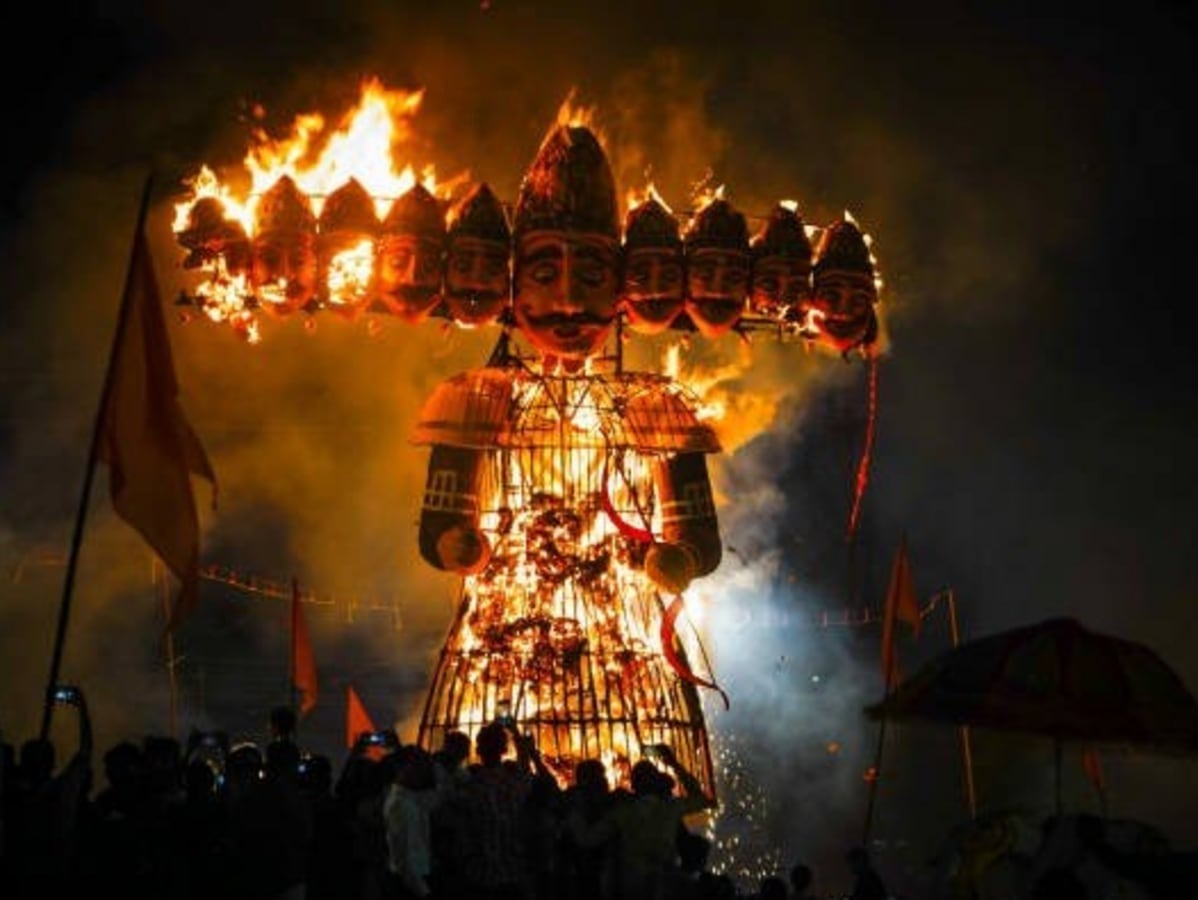
Dussehra, also known as Vijayadashami, stands as one of India's most important and widely celebrated festivals. It's a day that powerfully symbolizes the ultimate triumph of good over evil, celebrated with great fervor across the length and breadth of the country. In 2025, Dussehra will be observed on Thursday, October 2nd
Celebrated on the tenth day of the Ashwin month in the Hindu calendar, this festival concludes the nine-night long festivities of Navratri. While the central theme is universal, the way Dussehra is celebrated is a vibrant reflection of India's rich cultural diversity
The Epic Stories Behind the Festival
The most famous legend associated with Dussehra is from the epic Ramayana.It honors the victory of Lord Rama, the seventh incarnation of Lord Vishnu, over the ten-headed demon king of Lanka, Ravana, who had forcefully abducted Rama's wife, SitaThe story goes that after a monumental battle, Lord Rama defeated Ravana and rescued Sita, marking a historic win for righteousness (dharma) over wickedness (adharma)
In the eastern and northeastern states of India, the festival celebrates the victory of Goddess Durga over the buffalo demon, Mahishasura. According to this legend, Mahishasura had a boon that made him invincible to any man or god. To defeat him, the combined divine energies of the gods created Goddess Durga, who fought the demon for nine days and nights, finally vanquishing him on the tenth day. Both powerful narratives underscore the festival's core message: good will always prevail
Traditions and Rituals: A Spectacle of Faith
A key feature of Dussehra celebrations, especially in Northern India, is the Ramlila. These are vibrant, dramatic enactments of Lord Rama's life story, performed for several nights leading up to Dussehra, drawing large crowds from all walks of life.
The celebrations reach a dramatic climax with Ravan Dahan, the ritual burning of massive effigies of Ravana, his brother Kumbhakarna, and son Meghanada. This spectacular event, often accompanied by fireworks, symbolizes the cleansing of evil from the world and within oneself.
Across the country, Dussehra is celebrated in unique ways:
- In West Bengal, it marks the end of Durga Puja, where idols of the goddess are immersed in water bodies in grand processions
- In Southern states, the day is observed as Ayudha Puja, a time when people worship their tools, instruments, and vehicles, seeing them as extensions of their livelihood
- It is also considered a highly auspicious day to start new ventures or for children to begin their formal education
What Dussehra Teaches Us
At its heart, Dussehra is a festival of hope and renewal It's a time for introspection, encouraging people to conquer their own inner demons—like anger, greed, and ego—symbolized by the ten heads of Ravana The festival reinforces the belief that truth, courage, and virtue will always triumph in the end. As it marks the start of the festive season leading up to Diwali, which is celebrated 20 days later to welcome Lord Rama back to his kingdom, Dussehra fills the air with a sense of collective joy and cultural pride.
Read More: Vaishakh 2026: 5 Miraculous Tulsi Rituals to Seek Lord Vishnu’s Blessings and End Financial Woes

_1329446650_100x75.jpg)