
 Ziya
Ziya Share
Share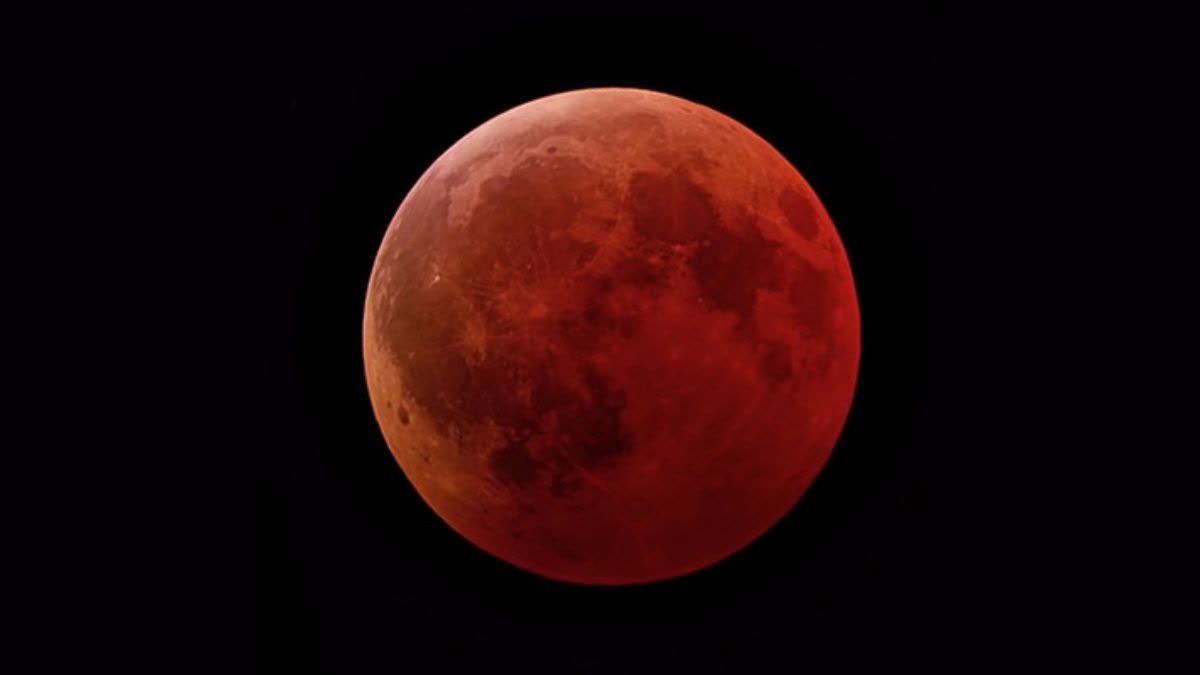
Stargazers and astrology enthusiasts are in for a treat today, March 3, 2026, as the first Lunar Eclipse of the year takes center stage. This isn't just any eclipse; it’s a Total Lunar Eclipse, often referred to as a "Blood Moon" because of the reddish hue the moon takes on when it passes completely into Earth's shadow.
If you’re planning to step out and witness this celestial event, here is everything you need to know about the timings, visibility, and whether it will impact your region.
What Time Does the Eclipse Start?
The eclipse is a multi-stage event that lasts several hours. In India, the timing falls during the late evening and night hours, making it a perfect window for observation if the skies stay clear.
Penumbral Phase Begins: The moon starts entering the outer edge of Earth's shadow.
Partial Eclipse Begins: The shadow starts "eating" into the moon’s surface.
Totality (The Blood Moon): This is the peak moment when the moon turns deep red.
According to astronomical calculations, the peak of the eclipse will occur around 11:00 PM to 12:30 AM (IST) tonight. However, the exact visibility depends entirely on your geographical location.
Where Will the Lunar Eclipse Be Visible?
This particular eclipse has a wide visibility range across several continents. You can catch a glimpse of it if you are in:
Asia: Most parts, including India, will see at least a partial or total phase.
Australia & North America: Major portions will have a front-row seat.
Pacific & Atlantic Oceans: Ships at sea will witness the full transition.
Is there a 'Sutak' Period?
In India, lunar eclipses are often viewed through the lens of traditional beliefs. The Sutak period—a time considered inauspicious for starting new work or cooking—usually begins 9 hours before a lunar eclipse.
However, many experts suggest that the Sutak is only applicable in regions where the eclipse is clearly visible to the naked eye. If the eclipse occurs during the daytime in your specific city or is obscured by clouds, the traditional rules are often relaxed.
How to Watch Safely
Unlike a Solar Eclipse, which requires special glasses, a Lunar Eclipse is 100% safe to watch with the naked eye. You don't need any special filters. Just find a spot with a clear view of the eastern sky, grab a pair of binoculars if you want a closer look at the craters, and enjoy the show!
Read More: Blue Sapphire Magic: Is Neelam the Key to Your Sudden Financial Growth and Career Stability?
_1297065815_100x75.jpg)
_1584009715_100x75.jpg)
_1855664812_100x75.jpg)
_988745865_100x75.jpg)
_897380897_100x75.jpg)